Brazil to Launch First Proton Therapy Cancer Center, But Public Access Remains Uncertain
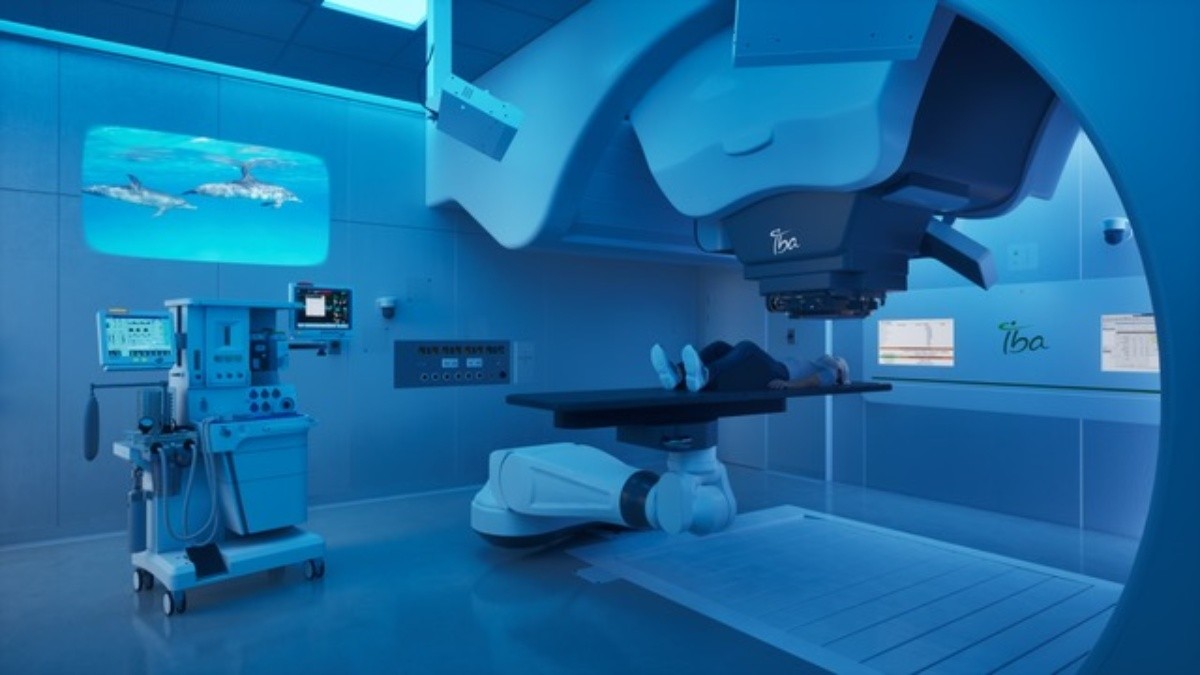
Brazil is taking a significant step towards advanced cancer treatment with the approval of R$ 132.6 million in funding for the nation's first proton therapy center. This highly precise form of radiotherapy, which concentrates radiation on tumors while sparing surrounding healthy tissue, is considered superior for specific cases, particularly in pediatric oncology. The facility, named the Mário Kroeff Proton Therapy Center, will be located in Barra da Tijuca, Rio de Janeiro. However, patients currently battling cancer will not benefit immediately, as the center is not expected to treat its first patients until 2030. The project involves constructing the facility, importing specialized equipment from Belgium, and requires further decisions from the Ministry of Health regarding its integration into the Unified Health System (SUS). Currently, Brazilians needing proton therapy must travel abroad, with 20 to 30 patients monthly incurring costs between R$ 765,000 and R$ 1.02 million per treatment. The center, a partnership between the Fundação Educacional Severino Sombra (FUSVE) and the National Cancer Institute (Inca), has a total estimated cost of R$ 400 million, with R$ 215 million secured from Finep and FUSVE. While the project aims to allocate at least 60% of its capacity to the public network, official incorporation into SUS, including patient access protocols and coverage for associated costs like transportation, awaits evaluation by the National Commission for the Incorporation of Technologies in SUS (Conitec). Proton therapy, distinct from conventional photon-based radiotherapy, offers reduced side effects and better preservation of healthy tissues, especially beneficial for children with tumors near sensitive organs. Despite its higher cost, proponents argue that when strategically applied, it can be cost-effective over the long term, with one center potentially treating around 600 children annually.
Brazil's initiative to establish its first proton therapy center signifies a commitment to adopting cutting-edge medical technology, aiming to enhance cancer treatment precision and potentially reduce long-term patient side effects. The significant investment underscores a recognition of the clinical advantages of proton therapy, particularly for pediatric cases where minimizing radiation exposure to developing tissues is paramount. However, the extended timeline for public access, contingent on SUS integration and ministerial decisions, highlights systemic challenges in translating advanced technological availability into equitable healthcare delivery. This situation prompts consideration of the trade-offs between pioneering specialized treatments and ensuring broad accessibility within public health frameworks. Future policy will need to balance the high operational costs of such advanced facilities with the imperative of timely and affordable patient care, potentially exploring innovative funding models or phased implementation strategies to bridge the gap between technological potential and public benefit over the coming decade.
AI-generated to prompt reflection — not editorial opinion, not advice, not a statement of fact. How this works.