Brazil to Meet with Sectors Affected by New US Tariffs
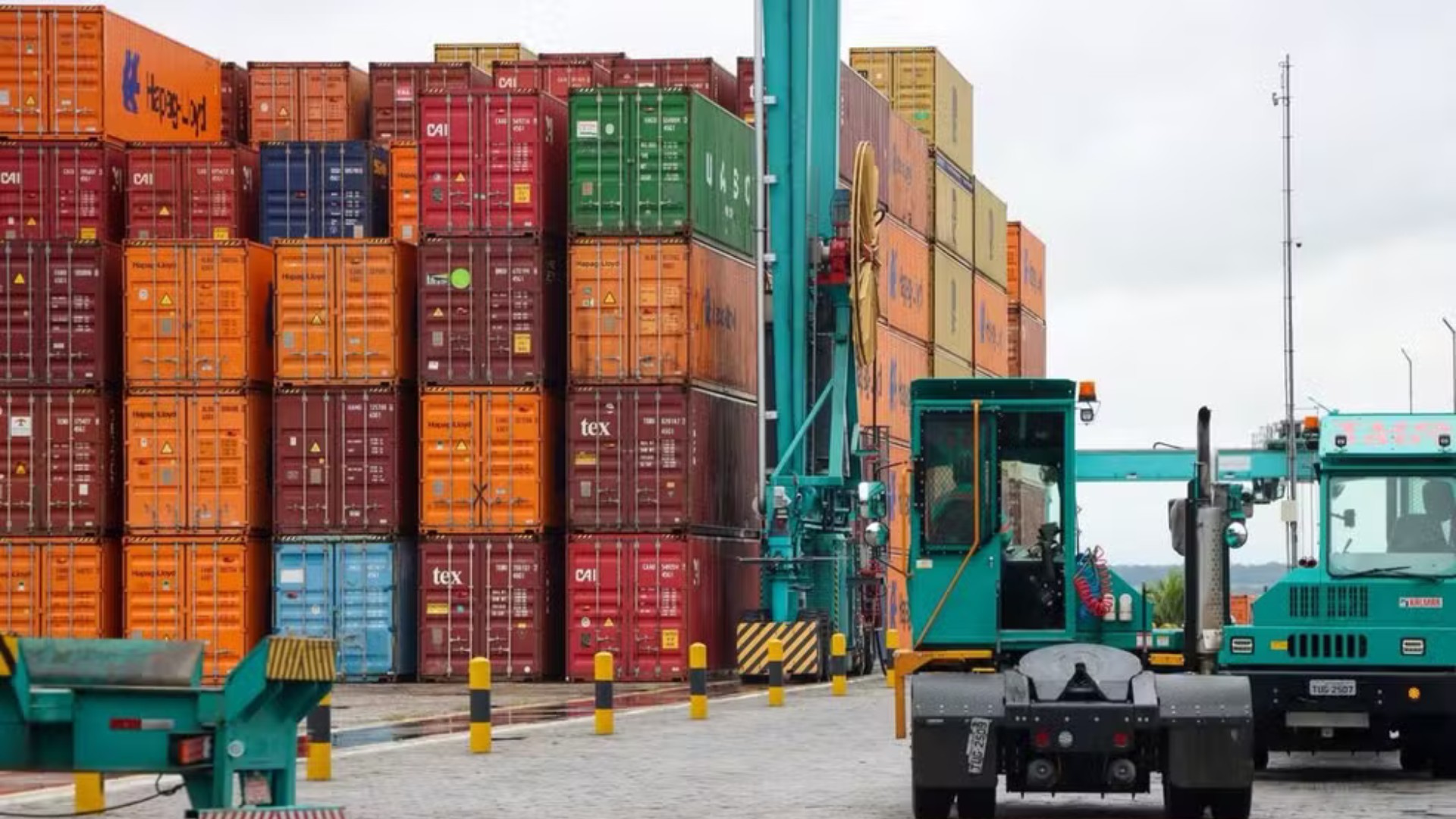
The Brazilian federal government is set to begin meetings on Tuesday, May 21st, with representatives from sectors impacted by the United States' recent announcement of a 25% tariff on Brazilian products. These meetings, coordinated by the Ministry of Development, Industry, Trade, and Services (MDIC), aim to identify specific demands from each sector and formulate support measures. Vice President Geraldo Alckmin and Finance Minister Dario Durigan are expected to attend. The existing "Plano Brasil Soberano," established last year in response to earlier US tariffs, will be expanded to aid those affected by this new measure. Minister Durigan stated that the government possesses the necessary tools to protect businesses and jobs, emphasizing that affected sectors will be consulted and the "Plano Brasil Soberano" reinforced. He believes the new tariffs, imposed by the Donald Trump administration, will not significantly harm Brazil's overall economic activity, though an estimated 18% of Brazilian exports to the US will be affected. The US confirmed the 25% tariff after a trade investigation by the Office of the United States Trade Representative (USTR), citing Section 301 of the Trade Act of 1974. Brazil's government has labeled the measure politically motivated and regrettable, potentially resorting to the Economic Reciprocity Act. The tariffs are scheduled to take effect on Wednesday, May 22nd. Brazilian negotiators found US representatives increasingly inflexible starting mid-May and June, dismissing Brazilian data on issues like deforestation without counterproposals. Despite presenting a proposal on six points raised by the USTR just ten days prior, Brazil received no response. The Brazilian government considered the USTR's decision to recommend tariffs as political and ideological, noting that the US is Brazil's second-largest trading partner and that most top US goods enter Brazil tariff-free, with an average tariff of only 3% on key American products. Vice President Alckmin has questioned the economic rationale behind the US tariffs.
The imposition of a 25% tariff by the United States on certain Brazilian products, and Brazil's subsequent response, highlights the complex interplay of trade policy, national economic interests, and geopolitical considerations. Brazil's strategy of engaging affected sectors and reinforcing its sovereign economic plan suggests a focus on mitigating immediate economic shocks and demonstrating a commitment to domestic industry. The Brazilian government's characterization of the tariffs as politically and ideologically motivated, rather than economically justified, points to a perception of unfair trade practices. This situation underscores the inherent tension between a nation's right to protect its economic interests and the principles of open international trade. Looking ahead, such tariff disputes can escalate, impacting supply chains, investment decisions, and bilateral relations, potentially leading to retaliatory measures or a broader recalibration of trade partnerships. The long-term implications will depend on the durability of these protectionist stances and the ability of both nations to find mutually acceptable resolutions within the framework of international trade law.
AI-generated to prompt reflection — not editorial opinion, not advice, not a statement of fact. How this works.