Brazil to Negotiate Tariff Dispute with US, Vows No Retaliation
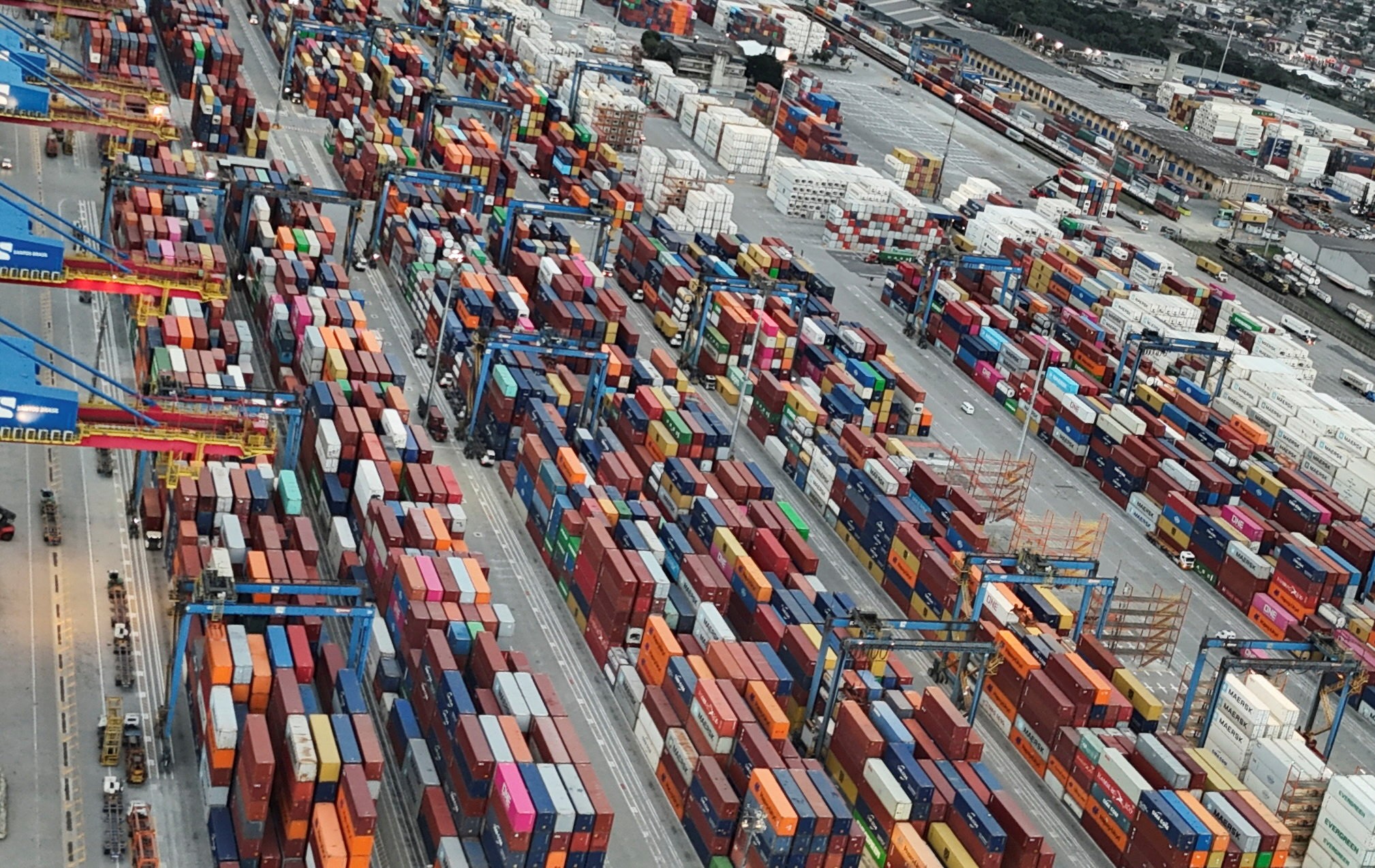
Brazil's Vice President Geraldo Alckmin stated on Tuesday, May 21st, that Brazil will consistently seek negotiation with the United States to resolve the trade dispute arising from a 25% tariff on Brazilian products, set to take effect on Wednesday, May 22nd. Alckmin emphasized Brazil's commitment to finding solutions through dialogue, asserting that negotiation is the country's preferred approach. His remarks followed initial meetings with Brazilian industries impacted by the tariffs imposed by the Trump administration. When questioned about potentially invoking the Law of Reciprocity against the U.S., Alckmin indicated that the government is considering all options and will act at the "appropriate time." He cautioned against retaliatory measures, likening the 'eye for an eye' approach to mutual blindness. Representatives from the Brazilian Association of Machinery and Equipment Industries (Abimaq) expressed opposition to reciprocal tariffs on U.S. exports to Brazil during their meetings with Alckmin and ministers Márcio Elias Rosa (Development, Industry and Commerce) and Dario Durigan (Finance). The government is reportedly preparing phased aid for affected companies.
The imposition of tariffs by the U.S. presents a significant challenge to Brazilian export-oriented industries, particularly the machinery and equipment sector. While Brazil's stated preference for negotiation over retaliation reflects a strategic effort to de-escalate the trade conflict and avoid further economic damage, the government's openness to "all possibilities" suggests a complex internal debate regarding leverage. The industry's vocal opposition to reciprocal tariffs highlights concerns about potential supply chain disruptions and increased costs for domestic production. Moving forward, Brazil's approach will likely be shaped by the evolving geopolitical landscape and the potential for future trade agreements, balancing immediate economic pressures with long-term industrial policy objectives in an increasingly protectionist global environment.
AI-generated to prompt reflection — not editorial opinion, not advice, not a statement of fact. How this works.