Brazil to Observe US Tariffs Hearing, Prioritizing Direct Talks
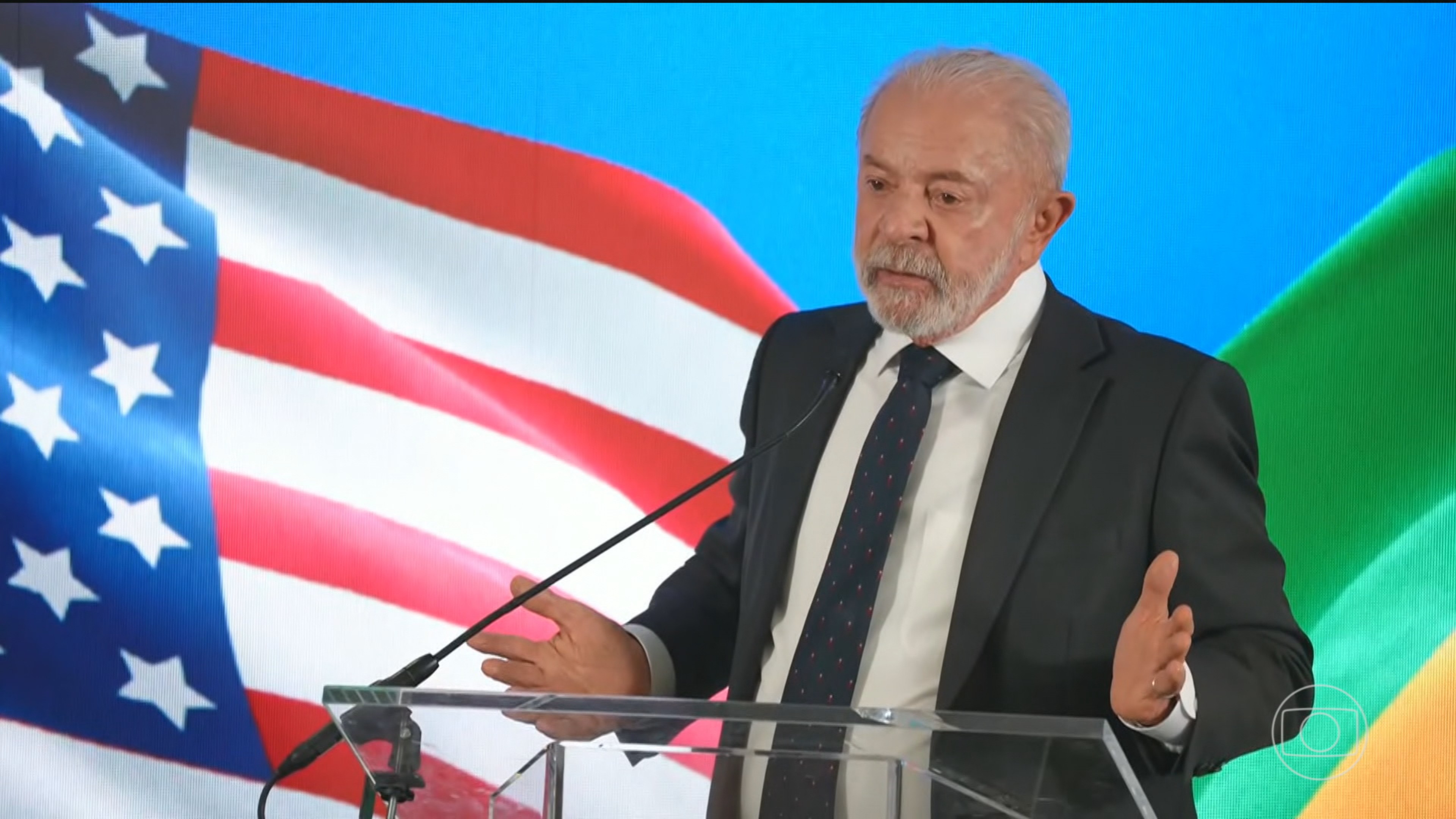
The Brazilian government has decided not to formally participate in public hearings in the United States concerning proposed tariffs on Brazilian products. Instead, Brazil's embassy in Washington will send representatives as observers to understand the arguments presented. The Brazilian government believes that direct, high-level technical negotiations, which have been ongoing and are scheduled for the coming days, are the more appropriate venue for resolving these trade disputes. Senator Flávio Bolsonaro and political influencer Paulo Figueiredo have registered to speak at the hearings. Minister of Development, Industry, and Trade, Marcio Elias Rosa, recently met with U.S. Trade Representative's office representative Jamieson Greer, with further discussions planned. Brazil has presented a proposal addressing six points raised by the U.S. but awaits a formal response. A deadline of July 15 is in place for reaching an agreement. Brazilian officials are working against this deadline, highlighting trade data and efforts to combat deforestation. Behind the scenes, Brazilian officials view the U.S. Trade Representative's recommendation as politically motivated, disregarding technical arguments made over the past year. They point to the similarity between documents from the investigation's start in July 2025 and the tariff recommendation in June 2026 as evidence. While a complete reversal of the tariffs is not anticipated, the government hopes for a reduction or the announcement of exceptions.
Brazil's strategy of observing U.S. tariff hearings while prioritizing direct negotiations reflects a calculated approach to managing a politically charged trade dispute. By abstaining from formal testimony, Brazil signals that it views the public hearings as a procedural step rather than a substantive negotiation forum, aiming to retain leverage for direct diplomatic and technical engagement. This stance acknowledges the potential for political motivations behind the U.S. proposals, as suggested by Brazilian officials, and seeks to counter them through data-driven dialogue and established diplomatic channels. The government's focus on future-oriented trade relations and environmental commitments, such as combating deforestation, indicates an understanding that long-term economic partnerships require addressing broader systemic concerns beyond immediate tariff disputes. The tight deadline underscores the urgency for both nations to find common ground, potentially through targeted concessions or phased implementation, to avoid escalating trade friction and its impact on global supply chains.
AI-generated to prompt reflection — not editorial opinion, not advice, not a statement of fact. How this works.