Brazil to Reassess Fuel Subsidy Amidst Geopolitical Oil Price Volatility
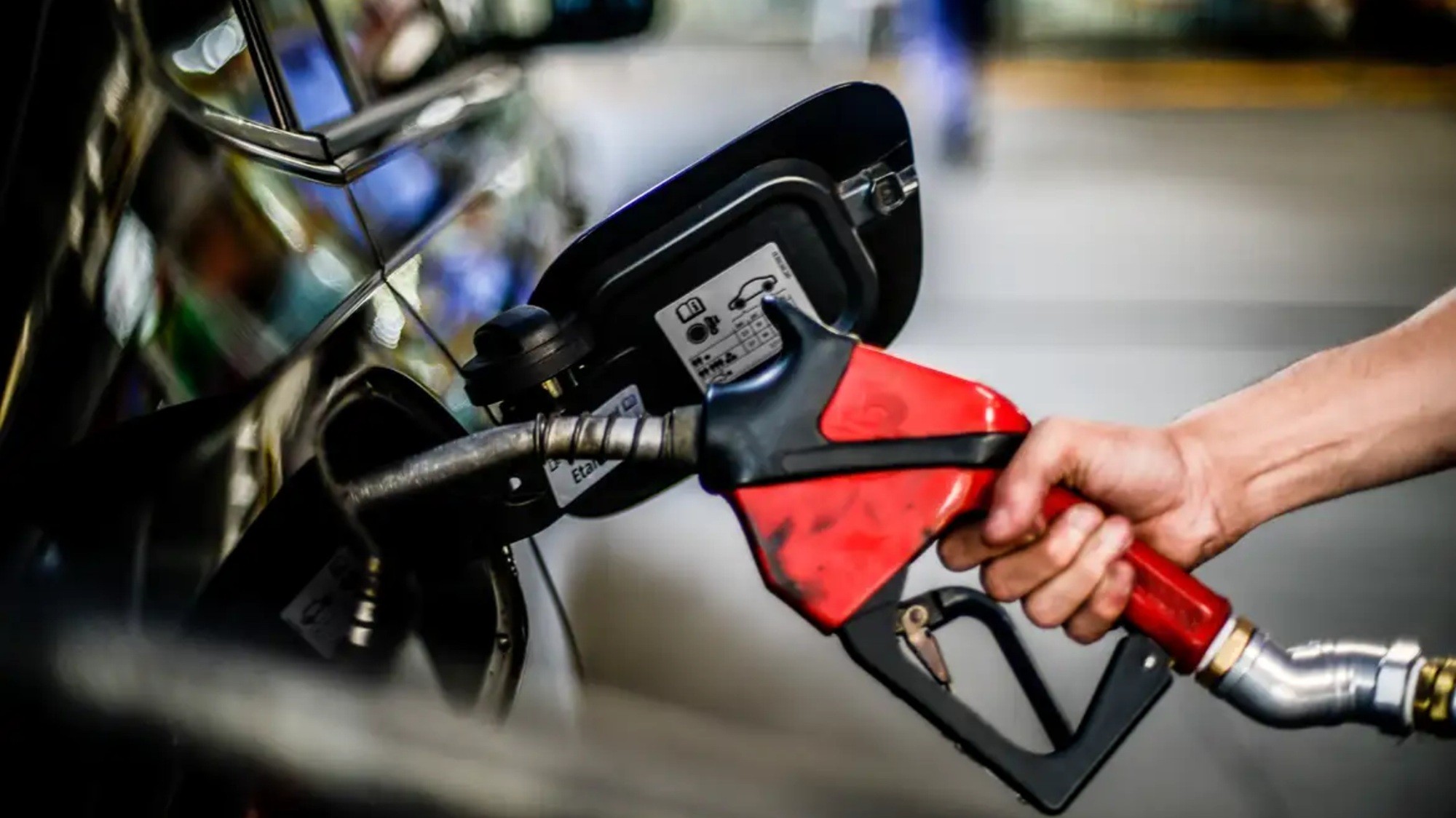
Brazil's Minister of Finance, Dario Durigan, announced on Thursday, November 9th, that the government will reevaluate the partial or total withdrawal of its gasoline subsidy next week. This subsidy was initially implemented to mitigate the impact of Middle East conflicts on domestic fuel prices. The economic team had planned to end the benefit this week, but a significant surge of over 5% in oil barrel prices on Wednesday, November 8th, prompted a postponement of the decision. The gasoline subsidy, amounting to R$0.44 per liter, was introduced in May with an initial two-month duration. Minister Durigan stated his intention to withdraw the subsidy, either partially or fully, as the next step, depending on the evolving situation. This potential policy shift comes as new U.S. attacks on Iran have increased uncertainty in global oil markets. The U.S. Central Command (Centcom) conducted strikes on Wednesday, targeting approximately 90 strategic sites in Iran, including air defense systems, coastal surveillance assets, and missile storage sites, aiming to curb Iran's capacity to threaten commercial shipping in the Strait of Hormuz. These actions followed a previous round of U.S. strikes on Tuesday, November 7th, which hit around 80 military targets and over 60 vessels belonging to Iran's Islamic Revolutionary Guard Corps. Earlier in the year, in April, the federal government had introduced a broader package of measures to control fuel prices, including subsidies for diesel and cooking gas, tax exemptions for biodiesel, and support for aviation kerosene and the airline industry. The subsidy for diesel began to be phased out on July 1st.
The Brazilian government's decision to reassess its gasoline subsidy highlights the intricate interplay between domestic economic policy and global geopolitical instability, particularly concerning energy markets. The volatility in oil prices, directly influenced by military actions in the Strait of Hormuz, creates significant challenges for fiscal management. While the subsidy aims to shield consumers from price shocks, its continuation or withdrawal is now contingent on external factors beyond Brazil's direct control. This situation underscores the systemic vulnerability of economies reliant on imported energy to international conflicts. The government faces a trade-off between providing immediate relief to citizens and maintaining fiscal discipline, especially as it navigates the broader economic implications of global energy supply disruptions. Future policy may need to incorporate more robust mechanisms for managing such external price shocks, potentially through strategic reserves or diversified energy import strategies, to ensure greater economic resilience in the face of escalating geopolitical tensions.
AI-generated to prompt reflection — not editorial opinion, not advice, not a statement of fact. How this works.