Brazil to Use New Economic Reciprocity Law Against US Tariffs
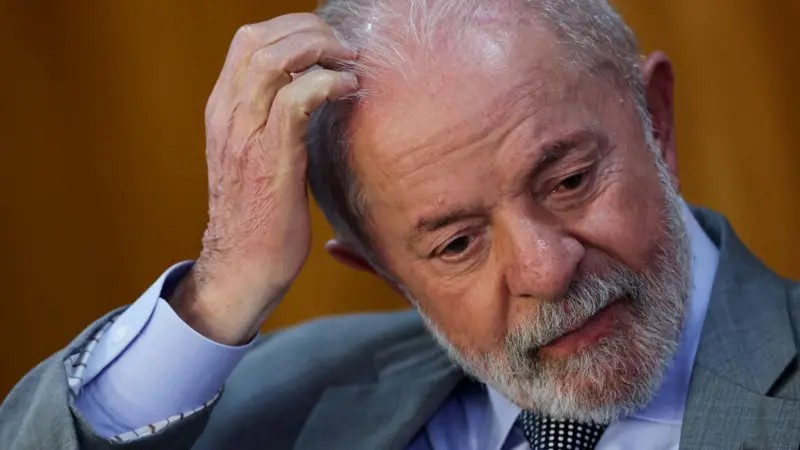
Brazil's government announced on Thursday, July 16, 2025, that it intends to utilize the newly enacted Economic Reciprocity Law to counter recent U.S. tariffs. The U.S. Trade Representative's Office (USTR), with President Donald Trump's approval, imposed a 25% tariff on various Brazilian exports, effective July 22, citing issues such as favoritism towards Pix, ethanol market access, corruption, and deforestation. Brazil's government has condemned the decision and initiated proceedings to invoke the Economic Reciprocity Law at the World Trade Organization (WTO). This law, approved by Congress in April 2025 and sanctioned by President Luiz Inácio Lula da Silva in July 2025, provides a framework for Brazil to retaliate against unilateral measures impacting its international competitiveness. The decree outlines criteria for suspending trade concessions, investments, and intellectual property rights in response to such actions. The legislation was passed with broad congressional support, reflecting an unusual alignment between government and opposition parties. Minister of Finance, Dario Durigan, had previously indicated Brazil's readiness to employ reciprocity if the U.S. proceeded with tariffs. The law can be invoked under three conditions: unilateral trade, financial, or investment barriers by another country or bloc aimed at interfering with Brazil's sovereign decisions; violation of trade agreements by a partner country or bloc; or the imposition of trade measures based on environmental requirements more restrictive than Brazilian law, provided they are unilateral and negatively impact Brazilian exports. The decree specifies retaliation mechanisms, primarily imposing reciprocal tariffs on goods or services from the offending country, making them less competitive in Brazil. It also allows for non-compliance with agreed-upon trade terms, potentially affecting import/export quotas. Despite its name, the law emphasizes minimizing economic impact and administrative burdens, reflecting concerns about disrupting domestic supply chains. The process involves forming committees for case evaluation, public consultations, and diplomatic negotiations, with provisions for provisional retaliatory measures while these steps are underway. A monitoring commission will oversee and potentially adjust or revoke countermeasures based on ongoing diplomatic efforts.
The Brazilian government's invocation of its Economic Reciprocity Law represents a strategic shift towards asserting economic sovereignty in the face of perceived unfair trade practices. This move highlights a growing trend of nations developing legislative tools to counter unilateral trade actions, moving beyond traditional multilateral dispute resolution. The law's structured approach, emphasizing consultation and minimizing economic disruption, suggests a calibrated response rather than immediate escalation. However, the effectiveness of such reciprocal measures hinges on their alignment with international trade norms and the potential for retaliatory cycles that could harm both economies. The underlying issues cited by the U.S. — market access, environmental standards, and corruption — point to complex, interconnected challenges that require more than just tariff adjustments. Future trade relations will likely be shaped by how effectively nations can balance national interests with global cooperation, particularly as digital economies and environmental concerns become increasingly central to trade policy.
AI-generated to prompt reflection — not editorial opinion, not advice, not a statement of fact. How this works.