Brazil to Use Trade Reciprocity Instrument When Necessary, Minister Says
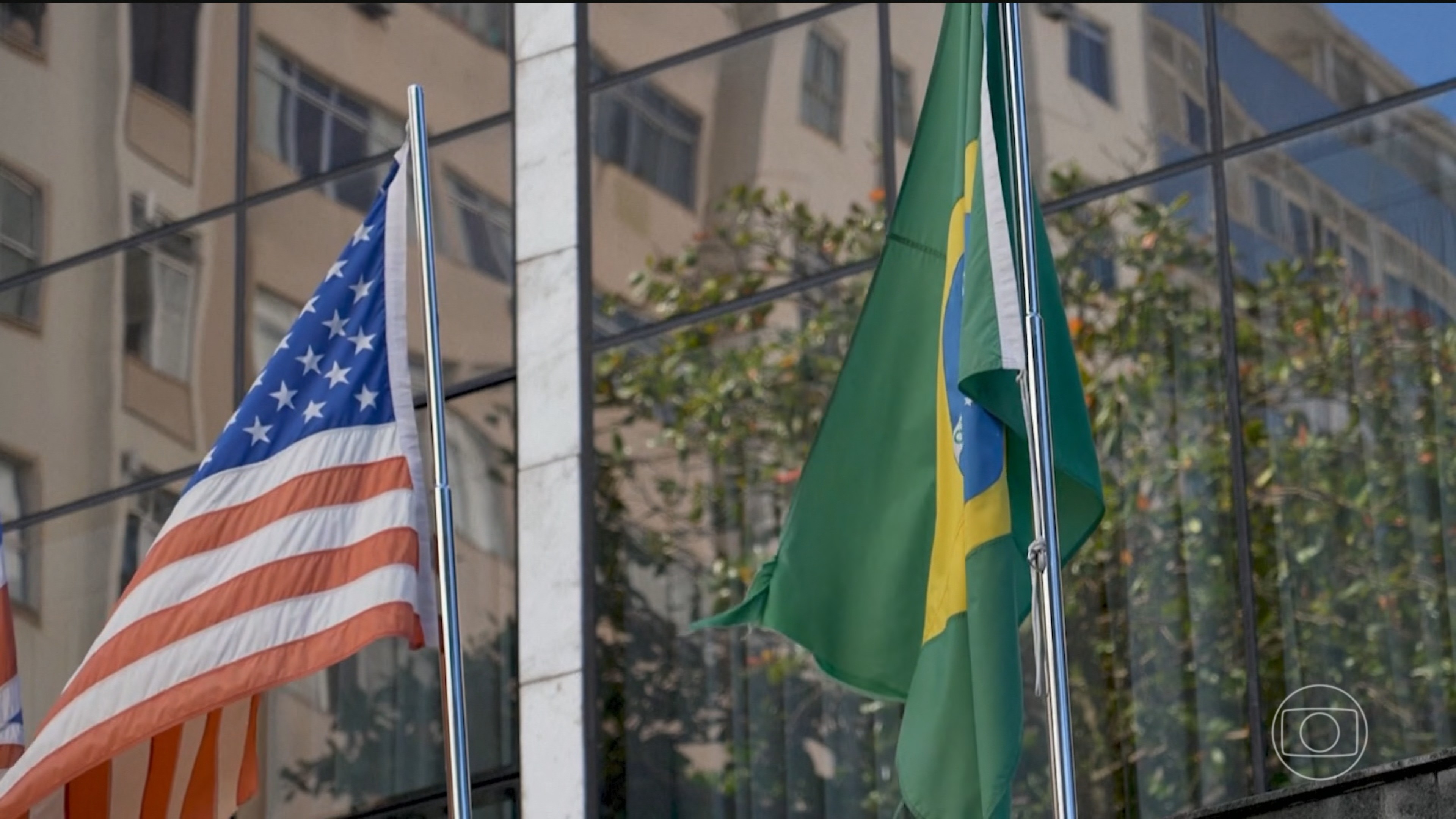
Brazil's Minister of Development, Industry, and Foreign Trade, Márcio Elias Rosa, stated that Brazil will utilize a newly approved instrument allowing for reciprocity in trade relations with the United States when deemed necessary and appropriate. Speaking on Bandeirantes FM radio on Wednesday, August 21st, the minister clarified that this measure is distinct from retaliation or revenge. He emphasized the need to carefully assess the appropriate response and its potential negative repercussions, noting that reciprocity should be impactful rather than merely provocative. This statement coincides with the first day of a 25% U.S. tariff on certain Brazilian exports, a measure announced by the Trump administration following an investigation into Brazilian trade practices. The U.S. cited issues with Brazil's PIX payment system and digital platform regulations, which the Brazilian government disputes, viewing the tariff as political interference in non-negotiable internal matters. While the new tariff exempts key products like oil, coffee, and beef, it will affect sectors such as ethanol, agricultural machinery, and paper, potentially reshaping Brazil's export landscape.
The imposition of U.S. tariffs and Brazil's subsequent contemplation of reciprocal measures highlight the complex interplay of national economic interests and international trade policy. Brazil's measured approach, emphasizing strategic impact over immediate reaction, suggests an awareness of potential economic blowback and a desire to leverage its new trade instrument judiciously. This situation underscores the evolving dynamics of global trade, where digital regulations and payment systems are increasingly becoming points of contention, alongside traditional goods. Future trade relations will likely require sophisticated governance frameworks that balance domestic policy objectives with the need for stable, predictable international commerce, especially as digital economies continue to expand and intersect with established markets.
AI-generated to prompt reflection — not editorial opinion, not advice, not a statement of fact. How this works.