Brazil Urged to Negotiate Exhaustively Against US Tariffs, Governor Says
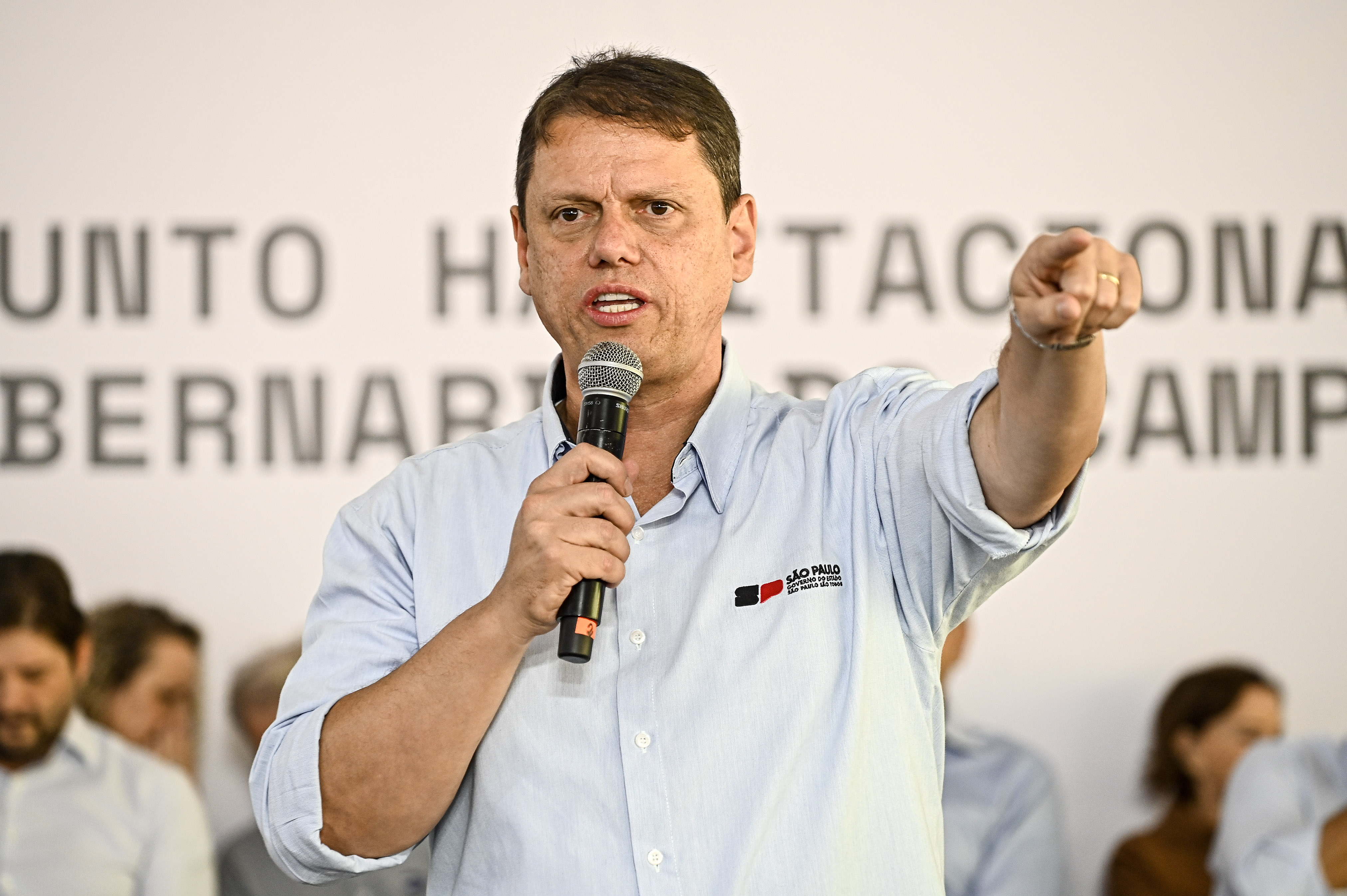
São Paulo Governor Tarcísio de Freitas emphasized that Brazil must pursue exhaustive negotiations to mitigate the impact of new U.S. tariffs, stating that retaliatory measures would only worsen the situation. He noted that the investigation leading to these tariffs has been ongoing since last year, and previous negotiation attempts were unsuccessful. The tariffs negatively affect Brazil's economy, particularly São Paulo's agribusiness and heavy equipment sectors, diminishing global competitiveness.
Freitas advocates for continued negotiation, aligning with the Ministry of Foreign Affairs' guidance, and stressed the importance of individual companies presenting their arguments. He suggested that São Paulo might replicate past emergency credit release measures to cushion the blow, while also monitoring federal government responses. The governor advised viewing the issue through a commercial lens, recognizing that both the U.S. and Brazil are defending their economic interests in a trade dispute influenced by geopolitics.
President Luiz Inácio Lula da Silva echoed the sentiment that Brazil will remain at the negotiation table, despite a lack of reciprocity thus far. He announced R$ 18.5 billion in credit to support businesses impacted by the U.S. tariffs and the conflict in the Middle East, with an additional R$ 15 billion allocated through the "Brasil Soberano 2" program. These funds are intended for sectors like steel, aluminum, automotive, wood, machinery, fertilizers, and pharmaceuticals, as well as those affected by reduced exports to the Persian Gulf.
The imposition of U.S. tariffs on Brazilian goods highlights the complex interplay of national economic interests, geopolitical considerations, and international trade dynamics. Governor Freitas's call for "negotiation to exhaustion" suggests a strategic approach prioritizing diplomatic resolution over escalating trade friction. The Brazilian government's response, including significant credit allocations, aims to stabilize affected domestic industries while signaling a commitment to continued dialogue. This situation underscores the vulnerability of export-dependent economies to protectionist policies and the ongoing challenge of balancing bilateral trade relationships with broader geopolitical alignments in an increasingly competitive global market.
AI-generated to prompt reflection — not editorial opinion, not advice, not a statement of fact. How this works.