Brazil: Voters can now request temporary change of polling station for elections
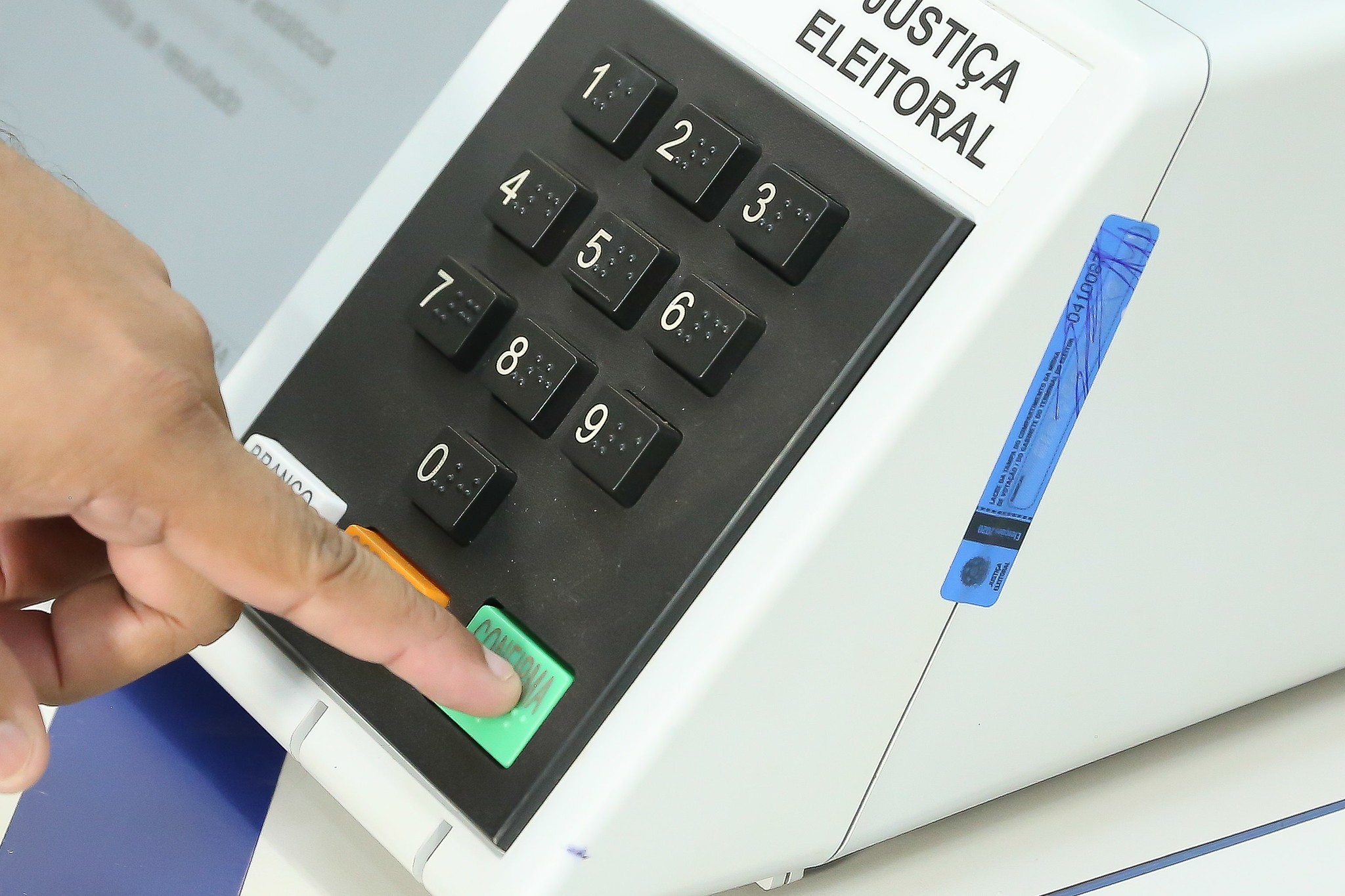
Starting Monday, May 20th, Brazilian voters can request to vote in transit, allowing them to temporarily change their polling station if they are away from their registered domicile. This option is available until August 20th and is regulated by TSE Resolution nº 23.751/2026. The 'voto em trânsito' system enables eligible voters to cast their ballots in different locations. This service is offered in state capitals and municipalities with over 100,000 voters. In the state of Paraíba, voters in João Pessoa, Santa Rita, and Campina Grande can utilize this option. Voters in transit within the same state can vote for all positions, while those in a different federal unit can only vote for the President. This rule also applies to Brazilians registered abroad who are in transit within Brazil during the elections. In the 2022 General Elections, 3,083 voters from Paraíba used the transit voting option. To apply, voters with collected biometrics can use the Electoral Self-Service portal or visit any electoral registry office in person. Requirements include having a regular electoral registration and presenting an official photo ID. After being enabled for transit voting, voters must cast their ballot at the designated polling station. Failure to vote requires justification, even if the voter is in their original domicile municipality, though justifications submitted on election day in the transit municipality will not be processed. Polling station locations can be checked from September 1st via the e-Título app and the websites of the TSE and Regional Electoral Courts (TREs).
The 'voto em trânsito' system addresses logistical challenges for voters who are temporarily away from their registered domicile, aiming to enhance electoral participation. By allowing remote voting for presidential candidates and all positions within the same state, it balances accessibility with the complexities of national elections. The system's design, particularly the limitation to presidential votes when voting in a different federal unit, reflects a trade-off between inclusivity and maintaining the integrity and regional specificity of other electoral races. Future iterations might explore technological solutions to further expand accessibility while ensuring robust security protocols, potentially mitigating the need for physical presence in all scenarios and adapting to evolving voter mobility patterns in the digital age.
AI-generated to prompt reflection — not editorial opinion, not advice, not a statement of fact. How this works.