Brazil Weather: Heavy Rains in South, Heat in Southeast, Dry Air Inland
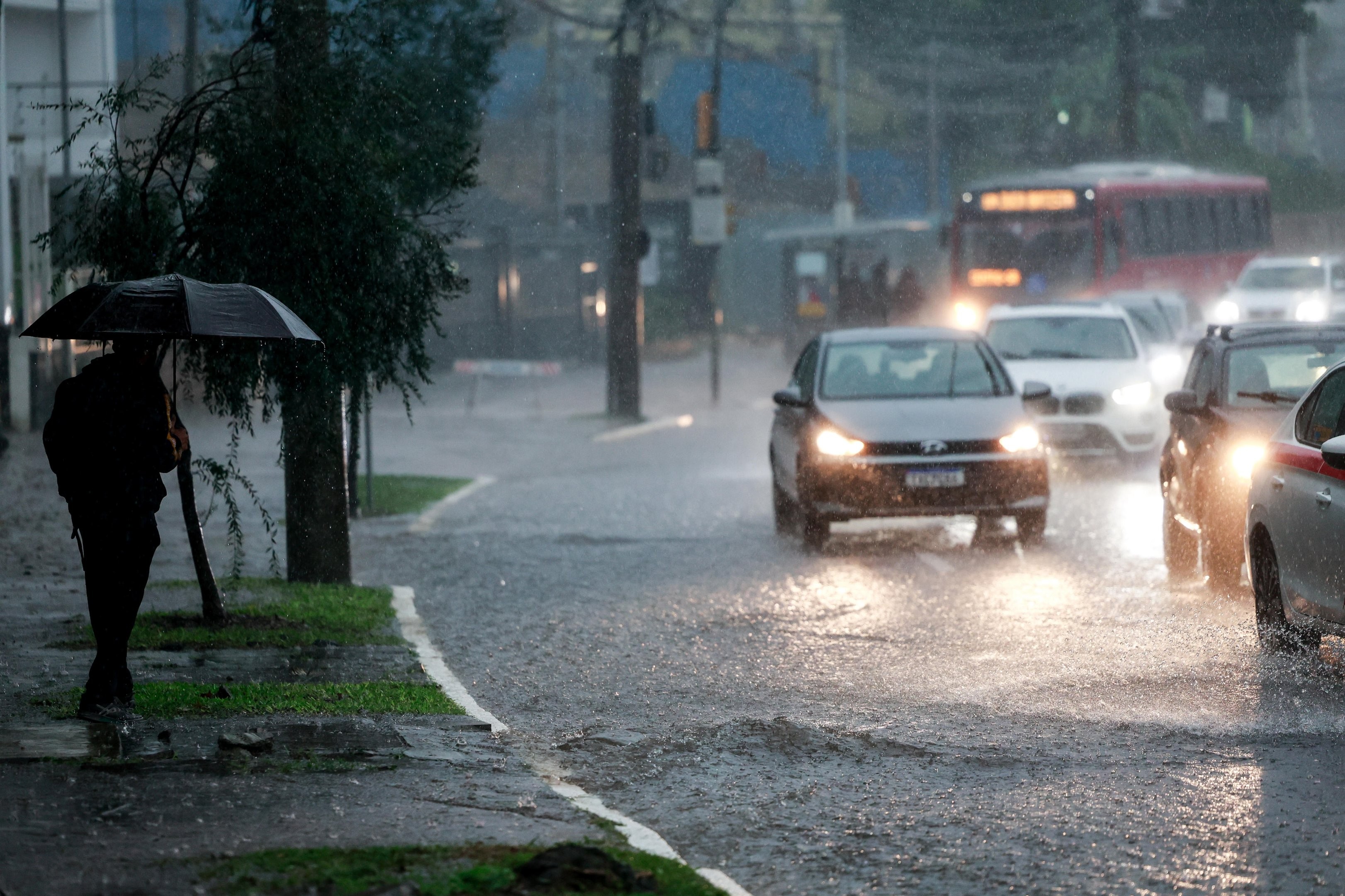
Brazil is experiencing diverse weather patterns as July concludes. The South region faces continued heavy rainfall, thunderstorms, strong winds, hail, and significant flood risks due to a low-pressure system over Paraguay and an approaching cold front. States like Rio Grande do Sul and Santa Catarina are particularly affected, with Inmet issuing high-danger warnings for excessive rainfall and storms. Temperatures in the South will decrease at night due to cold air influx.
Meanwhile, the Southeast and Center-West regions will see rising temperatures and dry air, with low humidity levels expected, especially in inland areas. A cold front will influence Mato Grosso do Sul and São Paulo, bringing potential for strong thunderstorms and winds to parts of Mato Grosso do Sul. São Paulo state will experience heat and sun, with isolated rain expected in western and southern areas as the cold front approaches, leading to a temperature drop by Thursday, particularly in the capital and coastal regions.
The Northeast will have light to moderate rain along the coast from Bahia to Paraíba and some passing showers in Maranhão, Piauí, and Ceará. Inland areas will remain sunny and hot with dry air. The North region will see stronger rainfall concentrated in Amazonas, Roraima, Amapá, and northern Pará, with potential for thunderstorms. Other areas in the North, like Tocantins and parts of Pará, will remain under dry air influence.
This weather forecast highlights the complex and often contrasting climatic conditions across Brazil, driven by interacting atmospheric systems like low-pressure areas and cold fronts. The significant rainfall in the South, coupled with warnings from Inmet, underscores the vulnerability of certain regions to extreme weather events, necessitating robust disaster preparedness and infrastructure resilience planning. Conversely, the prevailing heat and dry air in other parts of the country, particularly in the Center-West and Northeast interiors, point to ongoing challenges with water scarcity and increased fire risk. These regional disparities in weather phenomena, exacerbated by broader climate change trends, demand adaptive strategies in agriculture, water management, and public health to mitigate potential impacts over the next decade.
AI-generated to prompt reflection — not editorial opinion, not advice, not a statement of fact. How this works.