Brazil Weighs Retaliation Against US Tariffs, Seeks Strategic Response
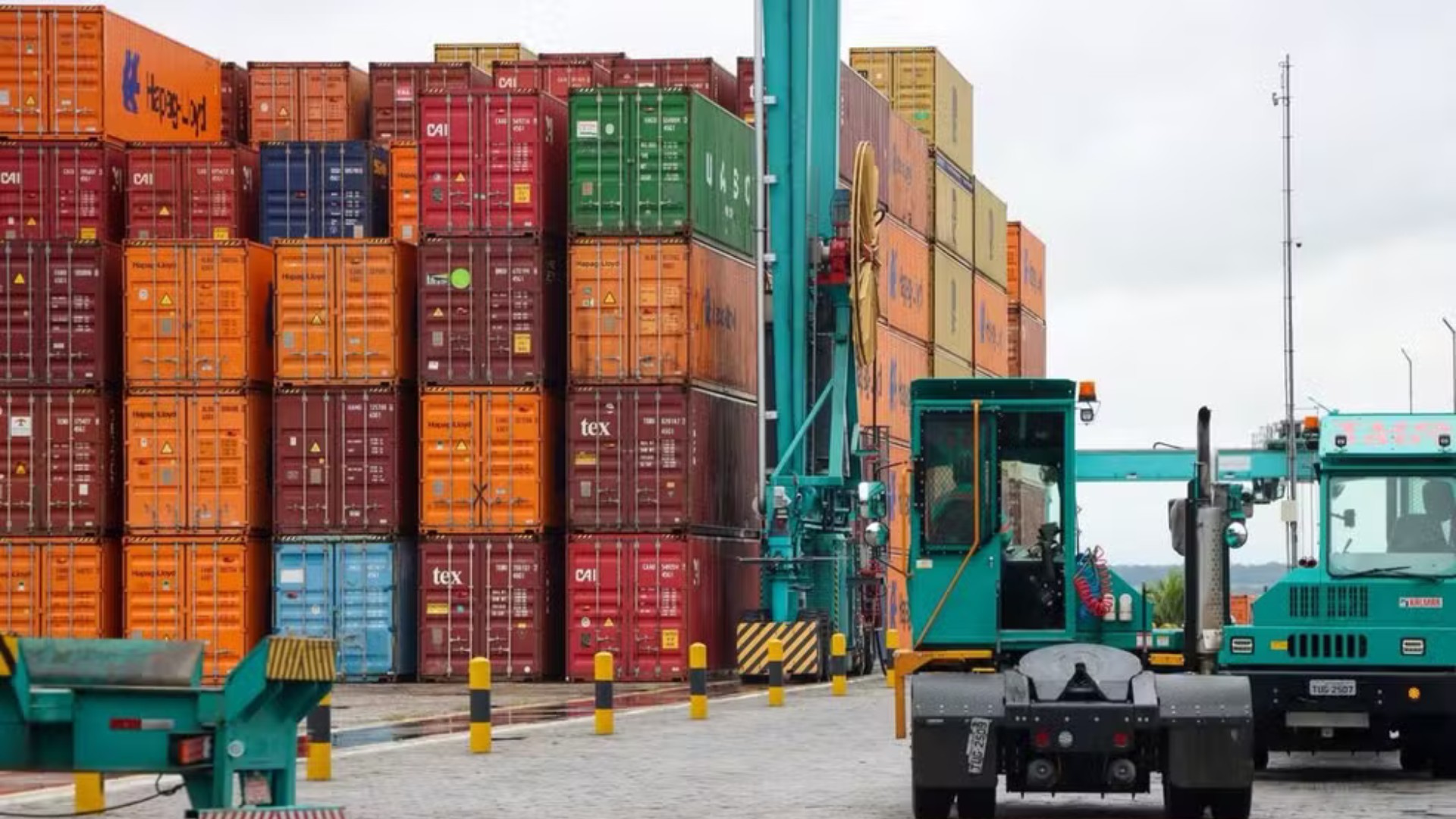
Brazil is developing strategies to counter the "tariff hike" announced by the United States, which imposes a 25% tariff on Brazilian exports starting July 22. The federal government, led by President Luiz Inácio Lula da Silva, has decided to invoke the "Law of Reciprocity" against the U.S. This law, enacted in 2025, allows Brazil to implement retaliatory measures against countries imposing trade, legal, or political barriers. However, officials are carefully selecting U.S. sectors for retaliation to avoid harming Brazil's own interests, a move described as a "shot in the foot." The U.S. Trade Representative's Office (USTR) initiated this measure based on Section 301 of the 1974 Trade Act, following a year-long investigation into alleged trade barriers. Preliminary assessments suggest targeting the audiovisual sector and pharmaceutical patents. The Brazilian government has begun consultations with affected industries, including the National Confederation of Industry (CNI), which met with Vice President Geraldo Alckmin and Minister Márcio Rosa. The CNI proposed forming a group to discuss an alternative industrial policy, noting that the new tariffs will impact 26.2% of Brazilian exports to the U.S., valued at $11 billion. The government plans to utilize the "Brazil Soberano" program, launched last year, to assist affected companies. Additionally, the Brazilian Trade and Investment Promotion Agency (ApexBrasil) is preparing a market diversification program, with a R$130 million investment, to help sectors affected by U.S. tariffs and those benefiting from the Mercosur-EU agreement. Strategic markets being explored include Central Asian countries like Kazakhstan and Uzbekistan, as well as Japan, Canada, and the United Arab Emirates, to redirect production previously destined for the U.S.
Brazil's response to U.S. tariffs highlights a complex interplay of economic sovereignty and global trade dynamics. The activation of the "Law of Reciprocity" signals a strategic intent to leverage international trade law for national interest, but the careful "surgical" selection of retaliatory targets underscores the interconnectedness of global supply chains and the potential for unintended consequences. This situation reflects a broader trend of nations reassessing trade relationships in an era of shifting geopolitical alliances and protectionist pressures. The emphasis on "market diversification" and "industrial policy" suggests a long-term strategy to build resilience against external shocks, a critical imperative for developing economies navigating the complexities of the next decade's global economic landscape.
AI-generated to prompt reflection — not editorial opinion, not advice, not a statement of fact. How this works.