Brazil Weighs Retaliation Against US Tariffs Under Reciprocity Law
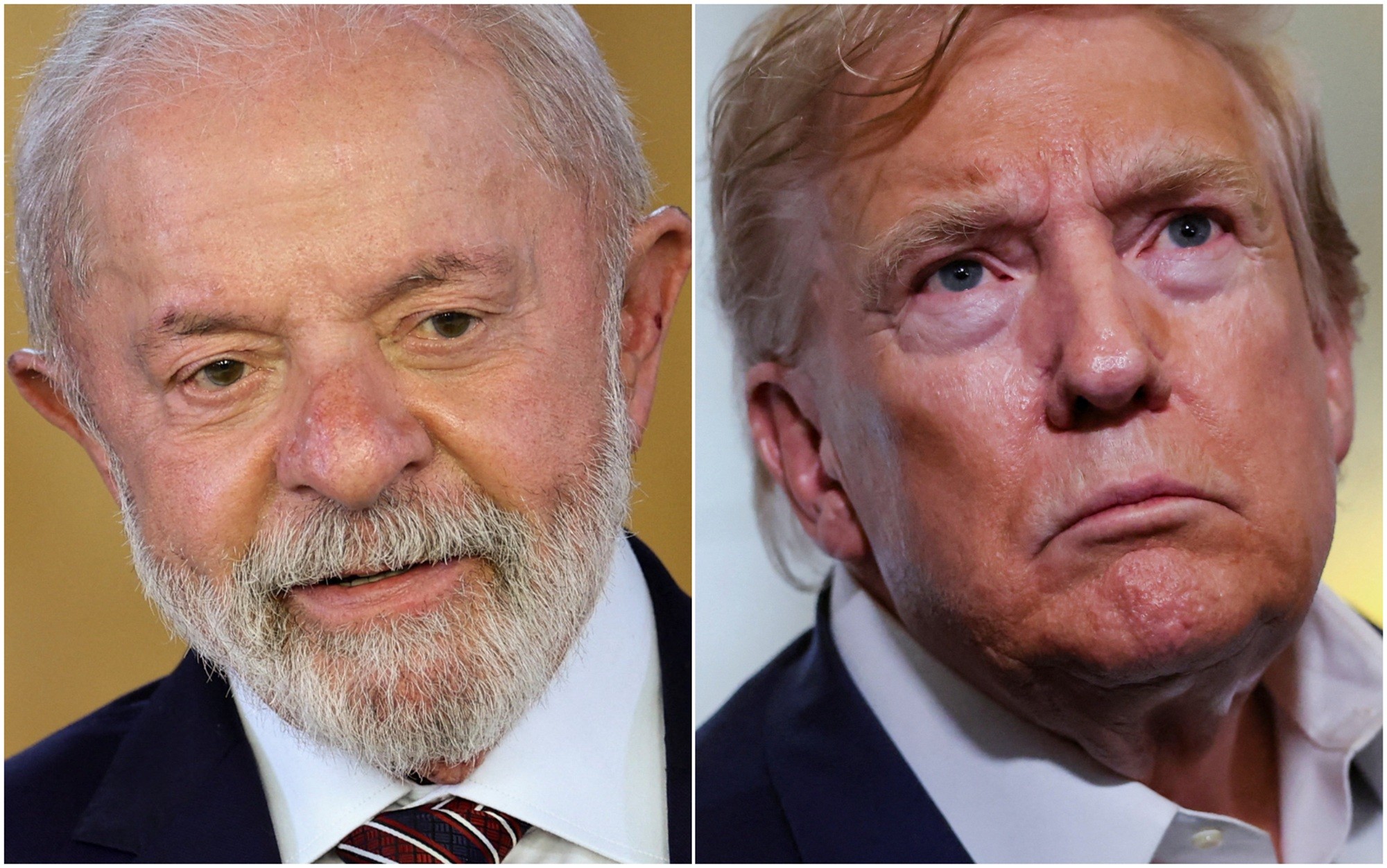
Brazil is intensifying discussions on how to respond to the United States' decision to impose an additional 25% tariff on certain Brazilian exports. The Brazilian government, led by President Luiz Inácio Lula da Silva, has labeled the US move a "regrettable milestone" and is initiating procedures to invoke the Economic Reciprocity Law. This law, approved in 2025, permits Brazil to enact retaliatory measures against countries or economic blocs that impose trade, legal, or political barriers on Brazil. However, no concrete responses have been announced yet, with Vice President Geraldo Alckmin stating the law will be applied "at the appropriate time," as the US tariffs are set to take effect on Wednesday, the 22nd. While exempting products like oil, coffee, and beef, the tariffs will impact sectors such as ethanol, agricultural machinery, and paper.
Experts suggest Brazil's reaction will likely be politically firm but technically cautious, avoiding hasty actions due to potential risks. Implementing the Reciprocity Law involves a lengthy process, including reviews by the Foreign Trade Chamber, public consultations, and discussions with the US government. A primary concern is the impact on Brazilian consumers, as retaliatory tariffs on US goods could increase the cost of imports, leading to a double negative effect for the Brazilian economy. Beyond tariffs, the law allows for other responses, such as suspending intellectual property protections, imposing restrictions on services, altering investment incentives, or suspending benefits from trade agreements.
Analysts warn against an escalation, citing the US-China trade war as an example of how retaliatory tariffs can spiral. Brazil's "ammunition" is considered limited, as many imported US goods are essential inputs for its production chains. Retaliating against these could harm Brazilian producers more than US entities. The US justification for the tariffs cites issues like the PIX payment system, ethanol market access, deforestation, and piracy, which Brazil views as political interference. Possible pathways for Brazil include technical negotiations on specific items, using the reciprocity law as a pressure tool without immediate application, and engaging with US stakeholders like businesses and Congress. Diversification of export markets and international agreements are also being pursued, with a R$130 million program planned to support affected sectors.
The imposition of US tariffs on Brazilian goods and Brazil's consideration of retaliatory measures under its Economic Reciprocity Law highlight the complex interplay of national sovereignty, economic interests, and international trade dynamics. The law's multi-stage implementation process suggests a deliberate approach by the Brazilian government, balancing the need for a firm response with the imperative to avoid self-inflicted economic harm, particularly on consumer prices and domestic production inputs. The situation underscores the potential for trade disputes to escalate, impacting global supply chains and necessitating careful calibration of responses to mitigate unintended consequences. Looking ahead, the effectiveness of Brazil's strategy will likely depend on its ability to leverage diplomatic channels, explore alternative markets, and strategically deploy its reciprocity tools as a negotiation lever rather than a purely punitive measure, all while navigating the geopolitical landscape influenced by upcoming elections in both nations.
AI-generated to prompt reflection — not editorial opinion, not advice, not a statement of fact. How this works.