Brazilian Acceptance of Homosexuality Declines to 72%, Datafolha Poll Reveals
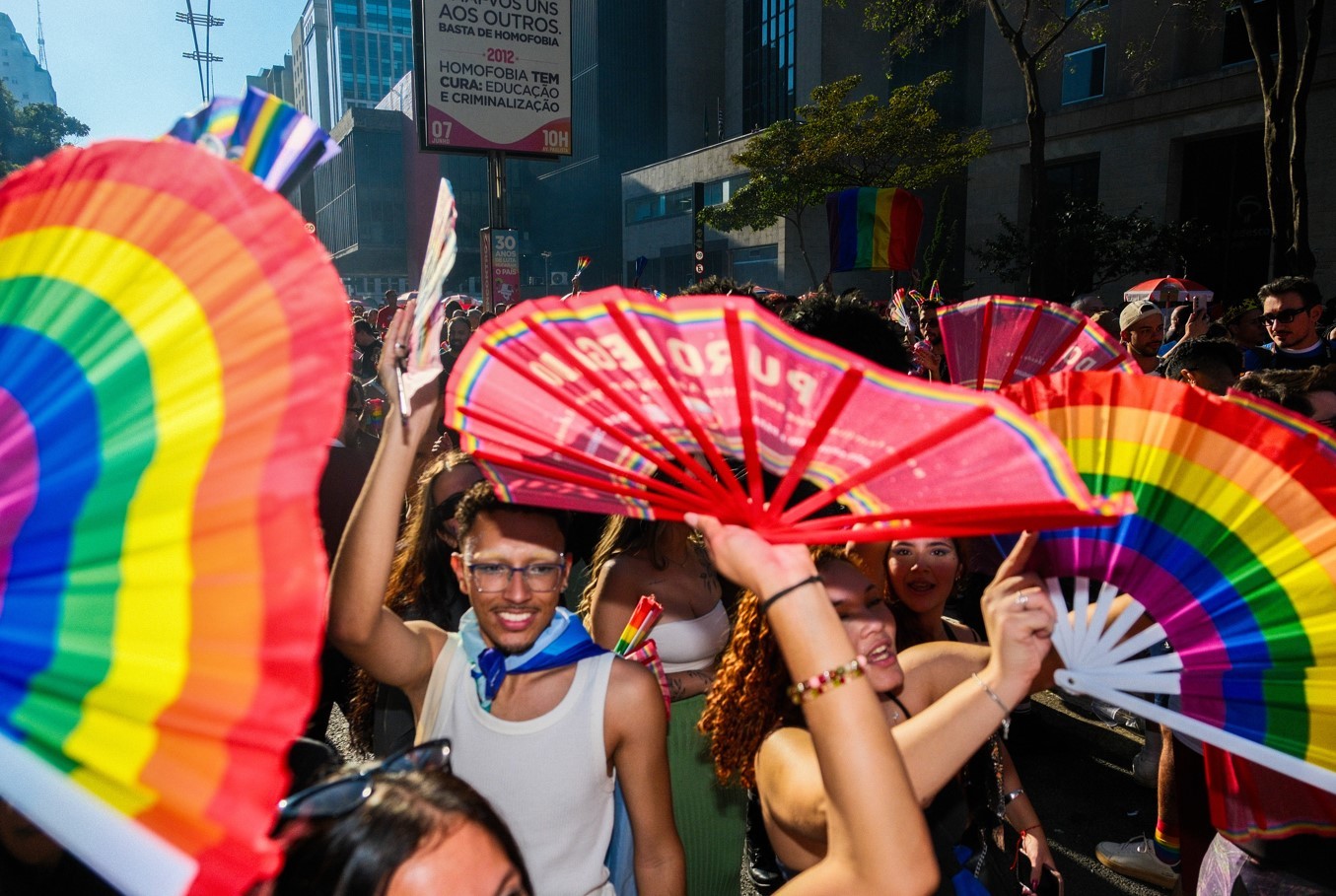
A recent Datafolha survey indicates a decline in societal acceptance of homosexuality in Brazil. The proportion of Brazilians agreeing that "homosexuality should be accepted by all of society" has fallen to 72% in 2026, a decrease from 79% recorded in 2022. Concurrently, the percentage of respondents who believe homosexuality should be "discouraged" has risen to 20%, with an additional 8% remaining undecided. Despite this recent dip, the current acceptance rate remains higher than the 67% recorded in 2013 and 64% in 2014. The survey, conducted among 2,004 voters aged 16 and over across 139 municipalities from June 17-18, 2026, shows significant variations based on religious affiliation and gender. Among Catholics, 75% accept homosexuality, while 18% advocate for discouragement. This contrasts with Evangelicals, where only 61% express acceptance, and 29% favor discouragement. Women show higher acceptance rates at 76% compared to men at 69%. Political alignment also reveals differing views, with 81% of Lula's supporters favoring acceptance, versus 65% of Flávio Bolsonaro's supporters. The poll, with a 95% confidence level, is registered with the Superior Electoral Court (TSE).
This survey data highlights a complex shift in Brazilian public opinion regarding homosexuality, moving from a trend of increasing acceptance to a recent decline. While a majority still supports acceptance, the seven-percentage-point drop warrants examination of the underlying societal and political factors influencing this change. The divergence in views across religious groups and political affiliations suggests that cultural and ideological narratives are significantly shaping public attitudes. Understanding these dynamics is crucial for predicting future social policy debates and for fostering inclusive societal development. The data prompts consideration of how information and discourse in the public sphere may be influencing perceptions, and whether current trends indicate a temporary fluctuation or a more sustained recalibration of societal values over the next decade.
AI-generated to prompt reflection — not editorial opinion, not advice, not a statement of fact. How this works.