Brazilian Agribusiness Seeks New Markets Amidst Trump Tariffs
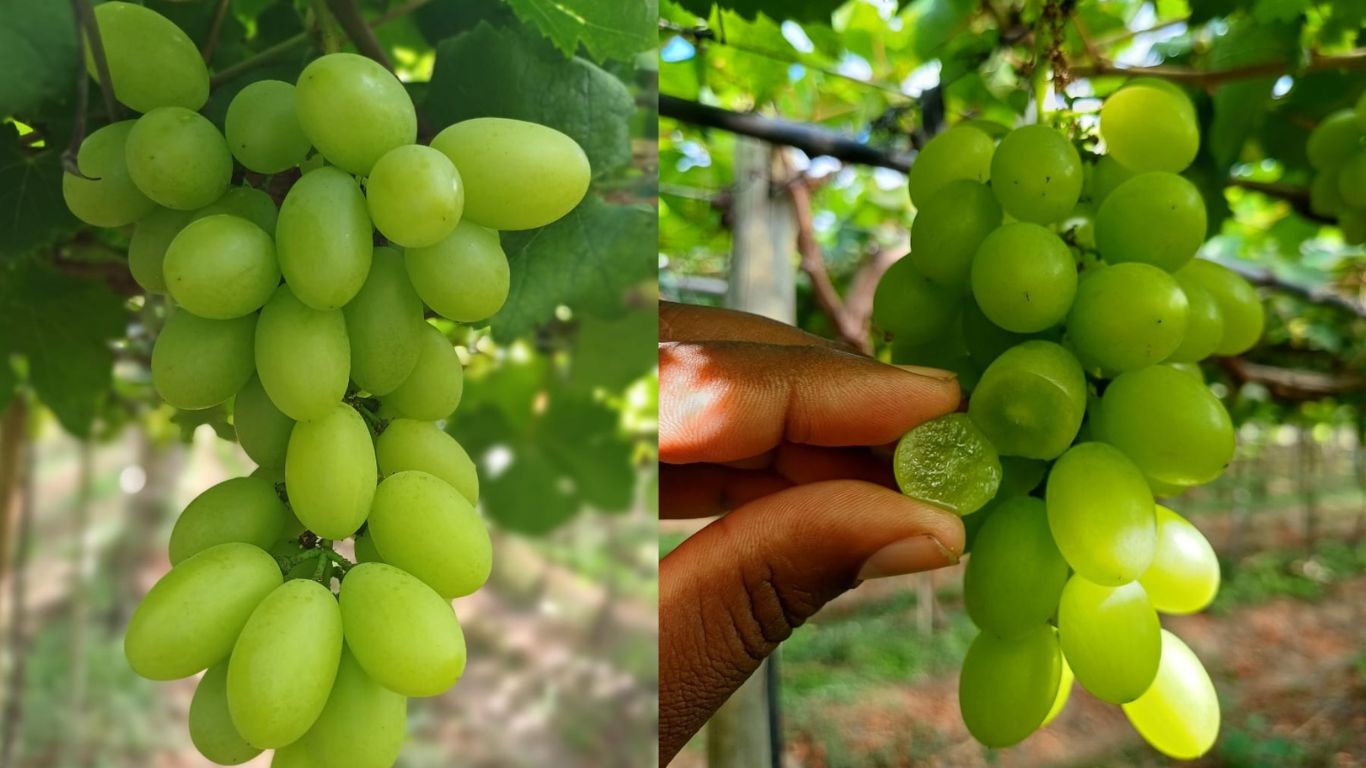
Brazilian agribusiness producers are actively seeking alternative markets as new tariffs imposed by the Trump administration threaten to significantly impact exports to the United States. Rodrigo Pamponet, a grape producer from the São Francisco Valley, has already shifted his focus away from the U.S., now directing about 70% of his exports to Europe and 28% to Argentina. His farm's exports to the U.S. plummeted from approximately 50 pallets in 2024 to just six last year, with expectations of near-zero exports this year unless U.S. importers absorb the additional tariff costs. The new U.S. surcharges, set to take effect on Tuesday (22nd), will impose a 25% tariff on Brazilian products not included in Washington's exemption list. An additional 12.5% tariff is also under consideration, potentially raising the total surcharge to 37.5% on affected goods. Key sectors impacted include grapes, eggs, timber, rice, and sugar, with the Confederation of Agriculture and Livestock of Brazil (CNA) estimating that $4.6 billion in Brazilian agribusiness exports are now under pressure. While 36.5% of these exports face the 25% tariff, 63.5% were spared due to an expanded exemption list. This redirection strategy mirrors a broader trend in Brazilian exports, which reached a record $348.7 billion last year, partly due to producers successfully shifting sales to markets like China. The grape sector, particularly sensitive due to its high value in the U.S. market, faces significant challenges, though Europe remains a primary destination. The São Francisco Valley, responsible for 75% of Brazil's grape production and 95% of its exports, is concerned about employment and income, as the grape chain supports around 70,000 jobs. Other sectors like rice and pork also face impacts, though their exposure to the U.S. market varies. The Brazilian government plans to support affected businesses with credit lines and trade diversification initiatives, including a R$130 million contingency plan from ApexBrasil.
The imposition of U.S. tariffs on Brazilian agricultural products highlights the complex interplay of international trade policy and supply chain resilience. Producers are demonstrating adaptive strategies by diversifying export destinations, a move that has historically proven effective in mitigating the impact of trade disputes, as evidenced by Brazil's record export performance in the previous year. However, the strategic importance of the U.S. market, particularly for high-value products like grapes, presents a significant challenge. The Brazilian government's response, including credit lines and trade diversification plans, aims to cushion the blow and foster long-term market adjustments. Looking ahead, the reliance on specific export markets creates inherent vulnerabilities, underscoring the need for robust, diversified trade relationships and potentially greater domestic market development to buffer against external economic shocks in an increasingly interconnected global economy.
AI-generated to prompt reflection — not editorial opinion, not advice, not a statement of fact. How this works.