Brazilian AGU Rejects Enel's Arguments, Upholds Concession Revocation Process
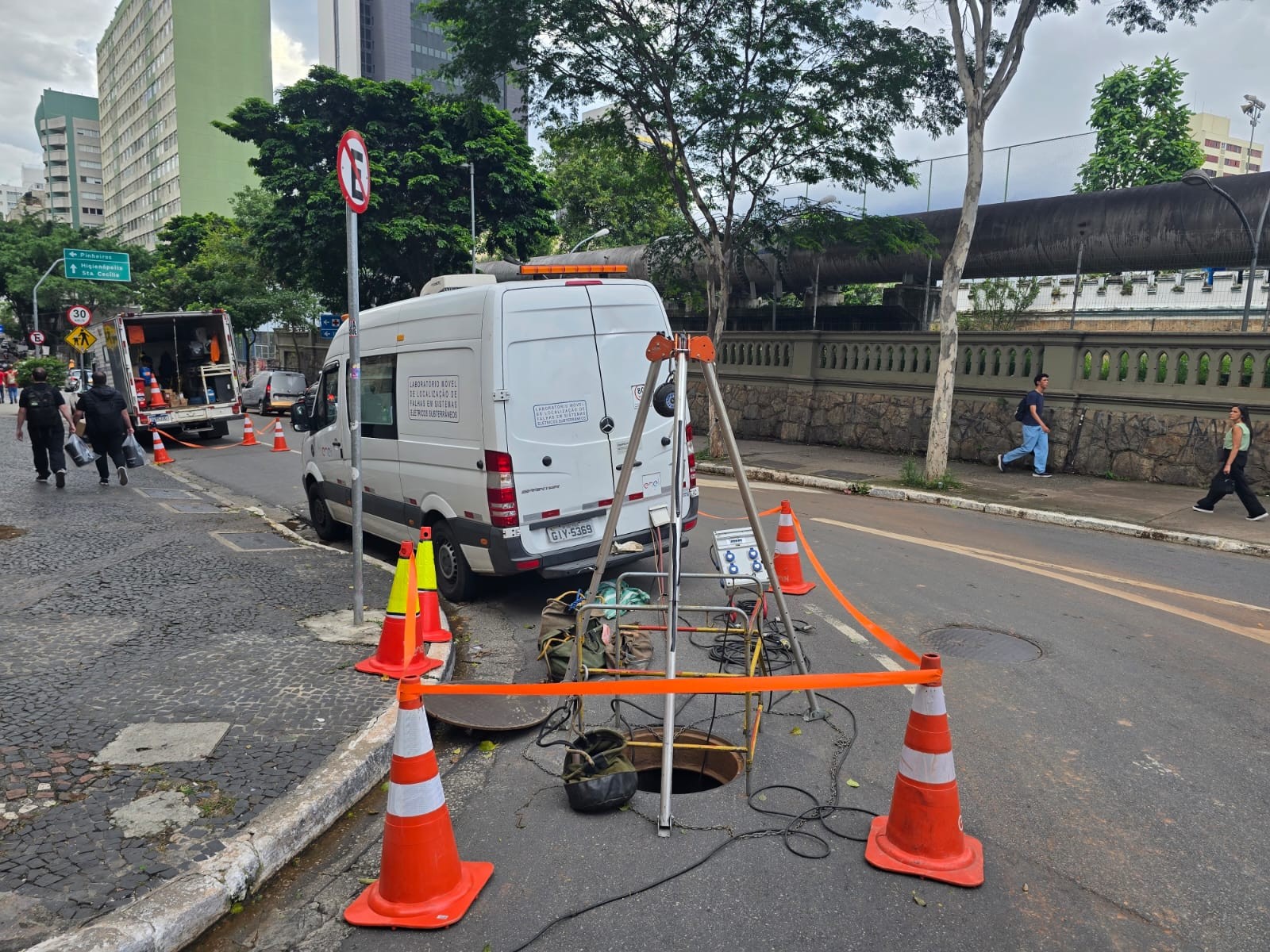
The Federal Attorney's Office (Procuradoria Federal) attached to Brazil's National Electric Energy Agency (Aneel) has rejected key arguments presented by Enel, a power distribution company. This decision allows a process that could lead to the revocation of Enel's concession in São Paulo and 23 surrounding municipalities to continue. The AGU's opinion, issued on Friday, October 10th, states that Enel's appeal does not identify legal flaws sufficient to invalidate Aneel's decision to initiate the contract termination process. Enel had contested the methodology used by Aneel to measure energy supply restoration after a December 2025 blackout, but the AGU classified this as a technical dispute, not a legal defect. The AGU's findings were approved by the Attorney General of the Federal Attorney's Office at Aneel and sent to the reporting director for review. The contract termination process, known as 'caducity,' is an extreme measure considered when a concessionaire fails to meet contractual obligations and cannot maintain service. Aneel opened this process due to significant failures in energy distribution and delays in service restoration by Enel in the Greater São Paulo area in 2024. Enel had argued procedural irregularities and the use of non-regulatory criteria, claiming improved operational indicators since 2023. However, the AGU's technical team confirmed that Aneel applied a consistent methodology, 'simultaneous peak,' used in previous events. The AGU also noted that Enel's argument about calculation methods, which would raise its restoration index from 67% to 80.2%, is merely a disagreement over methodology, not an error by Aneel. Furthermore, the AGU emphasized that the process initiation was based on multiple failures, not solely the December 2025 blackout incident. These other failures include long average response times for emergencies, numerous interruptions exceeding 24 hours, inadequate planning for extreme weather, low field team productivity, and insufficient infrastructure for network restoration. The AGU concluded that any one of these issues would justify initiating the administrative process, and that inadequate service can be demonstrated by the totality of evidence, not just specific regulatory indicator breaches. The process will now proceed to Aneel's board for deliberation, with a final decision on revoking the concession resting with the federal government.
This situation highlights the critical balance between regulatory oversight and operational performance in essential public services. The AGU's stance suggests a rigorous application of contract terms, prioritizing consistent service delivery and crisis response over disputed calculation methodologies. From a systemic perspective, the repeated failures and the AGU's multi-faceted justification for initiating the revocation process point to potential underlying issues in Enel's infrastructure investment, maintenance protocols, and emergency preparedness strategies. As energy grids face increasing strain from climate events and demand, regulatory bodies and utility providers must align on robust, transparent, and resilient operational frameworks. The long-term implications involve not only consumer trust and service reliability but also the potential for significant shifts in energy market structures and investment landscapes if concessions are indeed revoked.
AI-generated to prompt reflection — not editorial opinion, not advice, not a statement of fact. How this works.