Brazilian Air Force and Federal Police investigate Voepass plane crash
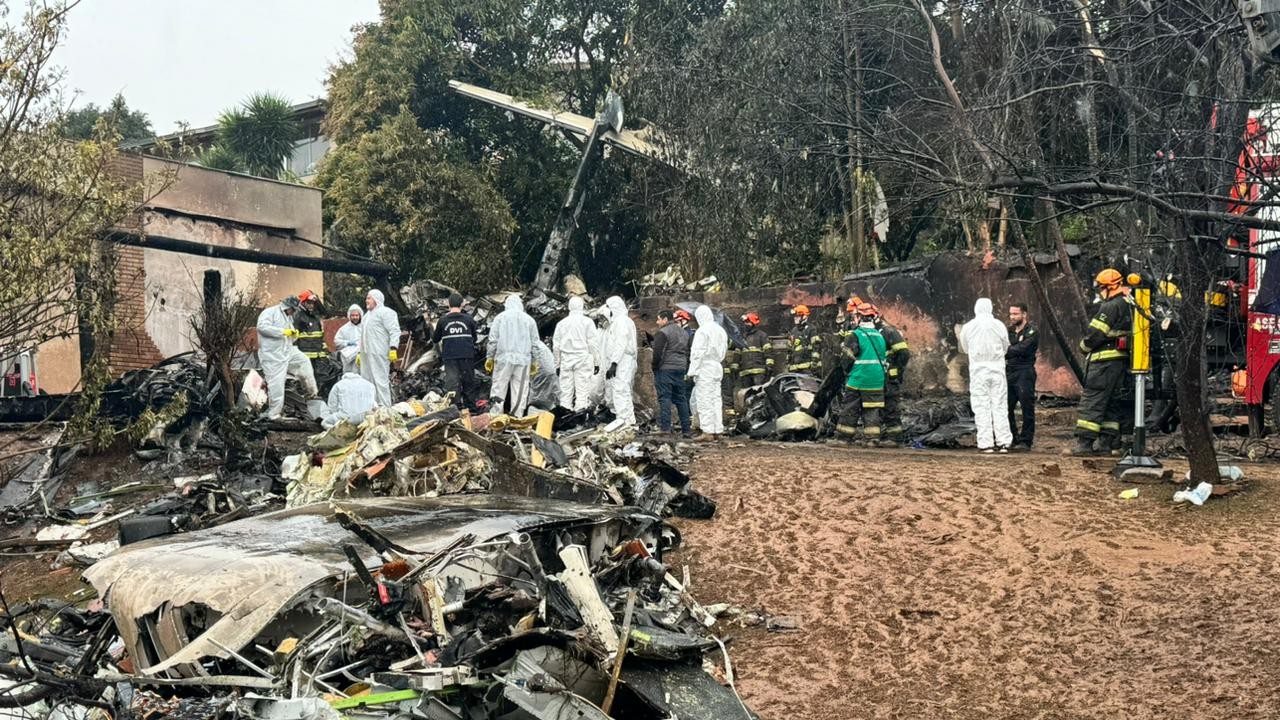
Two separate investigations are underway following the August 2024 Voepass plane crash in Vinhedo, São Paulo, which resulted in the deaths of 62 people. The Brazilian Air Force's Center for Investigation and Prevention of Aeronautical Accidents (Cenipa) is conducting a technical investigation focused on identifying contributing factors to the accident, aiming to prevent future tragedies. Their final report, scheduled for release on Thursday, August 23, 2024, will not assign blame or be used for criminal prosecution. Professor James Waterhouse of the University of São Paulo explained that Cenipa's goal is to uncover factors that, if removed, could have mitigated the crash's consequences.
In parallel, the Federal Police (PF) are conducting a judicial investigation to determine criminal responsibility. This inquiry relies on two forensic reports from the National Institute of Criminalistics, with technical support from Cenipa. The PF aims to conclude its investigation in August, using evidence to assess potential human or material failures. The first PF report details the crash site, while the second analyzes aircraft components and operational factors, intended to support criminal proceedings. The PF was granted access to Cenipa's findings on August 23, 2024, to facilitate information exchange between the two probes.
The parallel investigations by Cenipa and the Federal Police highlight a systemic approach to aviation accident response, separating technical prevention from criminal accountability. This division, while standard, presents a trade-off: the technical investigation's focus on non-punitive findings may obscure actionable insights if systemic organizational or human factors are downplayed to avoid criminal implications. Conversely, a purely criminal lens might overlook crucial technical details or discourage candid reporting. The ultimate success of these investigations will hinge on effective information sharing and the ability to translate findings into robust safety recommendations that address both immediate causes and underlying systemic vulnerabilities within the aviation industry. The long-term challenge lies in ensuring that lessons learned from this tragedy, regardless of investigative outcome, lead to tangible improvements in operational safety and regulatory oversight for airlines like Voepass.
AI-generated to prompt reflection — not editorial opinion, not advice, not a statement of fact. How this works.