Brazilian Armed Forces to Support 2026 Elections Logistics in Remote Acre Regions
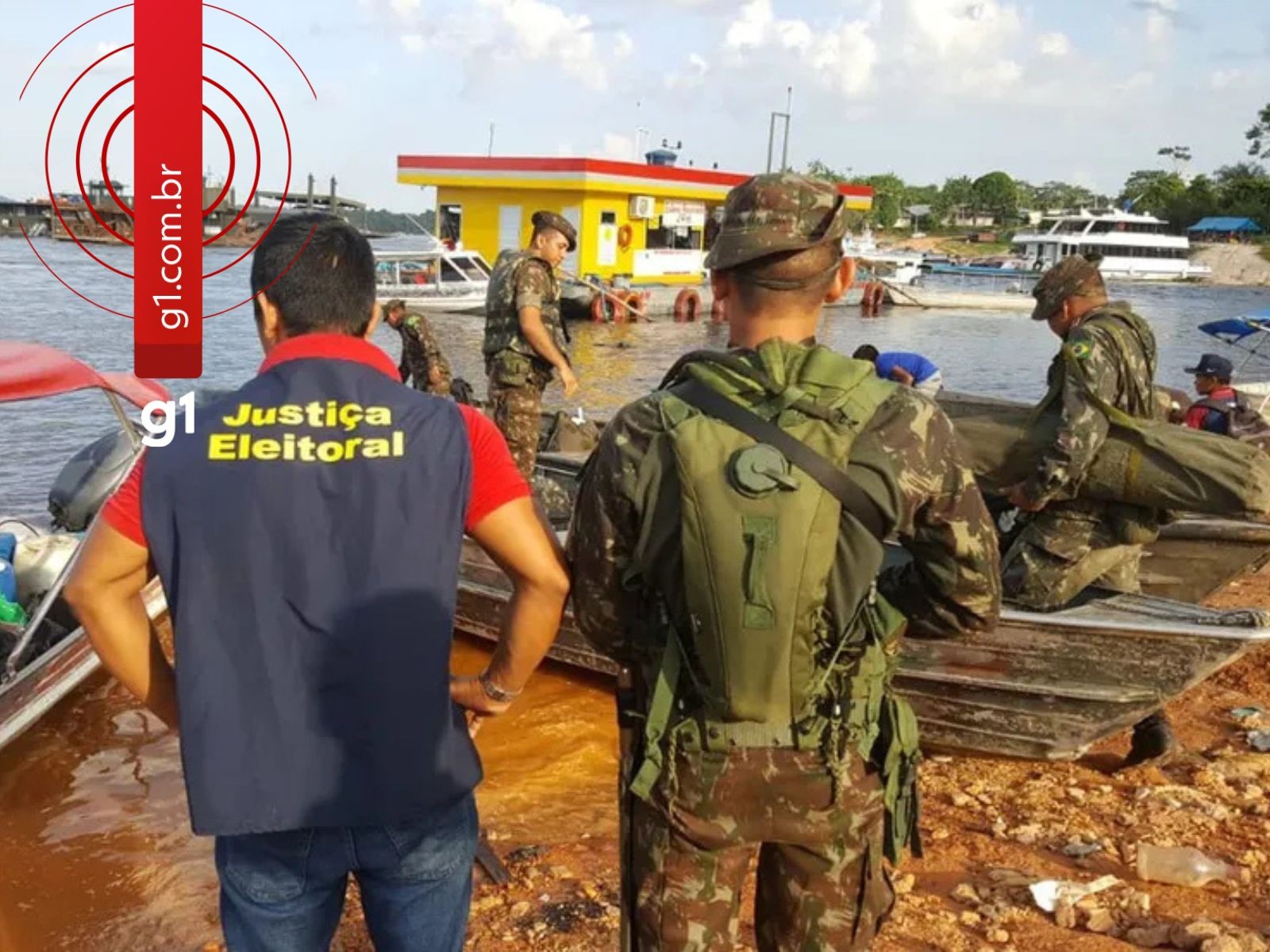
The Brazilian Armed Forces will provide logistical support for the 2026 general elections in the state of Acre and six other Brazilian states. This support, authorized by Decree No. 13.073 published on July 21, 2026, will focus on transporting electronic voting machines, equipment, and electoral justice teams to areas with difficult access. Military aircraft, vessels, and vehicles will be utilized for this purpose, with specific locations and operational periods determined by official requests. The operation will extend to municipalities in Amazonas, Amapá, Mato Grosso, Mato Grosso do Sul, Rio de Janeiro, and Roraima, covering a total of 42 municipalities and 128 localities. In Acre, the elections are scheduled for October 4, with a potential second round on October 25 for cities exceeding 200,000 registered voters. Voters in Acre will elect the President, governors, federal and state deputies, and senators. The deployment of federal forces is sanctioned by the Superior Electoral Court (TSE) based on requests from Regional Electoral Courts (TREs) and may include assistance with public order maintenance if additional security is required. This military support for elections, a practice since 1965, aims to ensure electoral processes in remote areas and guarantee logistical functionality. In Acre, 614,753 voters are eligible across 22 municipalities, with 701 polling stations and 2,417 electoral sections planned, requiring approximately 9,500 poll workers. This follows a similar logistical support operation in 2022, where twenty cities in Acre received assistance.
The Brazilian Armed Forces' involvement in electoral logistics, particularly in remote regions, underscores the persistent challenges of ensuring equitable access to the democratic process across a vast and diverse nation. While the military's capacity to overcome geographical barriers is crucial for inclusivity, its role in elections warrants careful consideration of institutional independence and public trust. Future electoral frameworks might explore enhanced partnerships with civilian logistics providers or technological solutions to mitigate reliance on military assets, thereby reinforcing the separation of civilian and military functions. This approach could bolster perceptions of electoral integrity and reduce potential vulnerabilities associated with military involvement in sensitive civic operations, especially in an era increasingly defined by digital governance and evolving security paradigms.
AI-generated to prompt reflection — not editorial opinion, not advice, not a statement of fact. How this works.
