Brazilian Army Land Sale Halted Amid Environmental Concerns in Valinhos
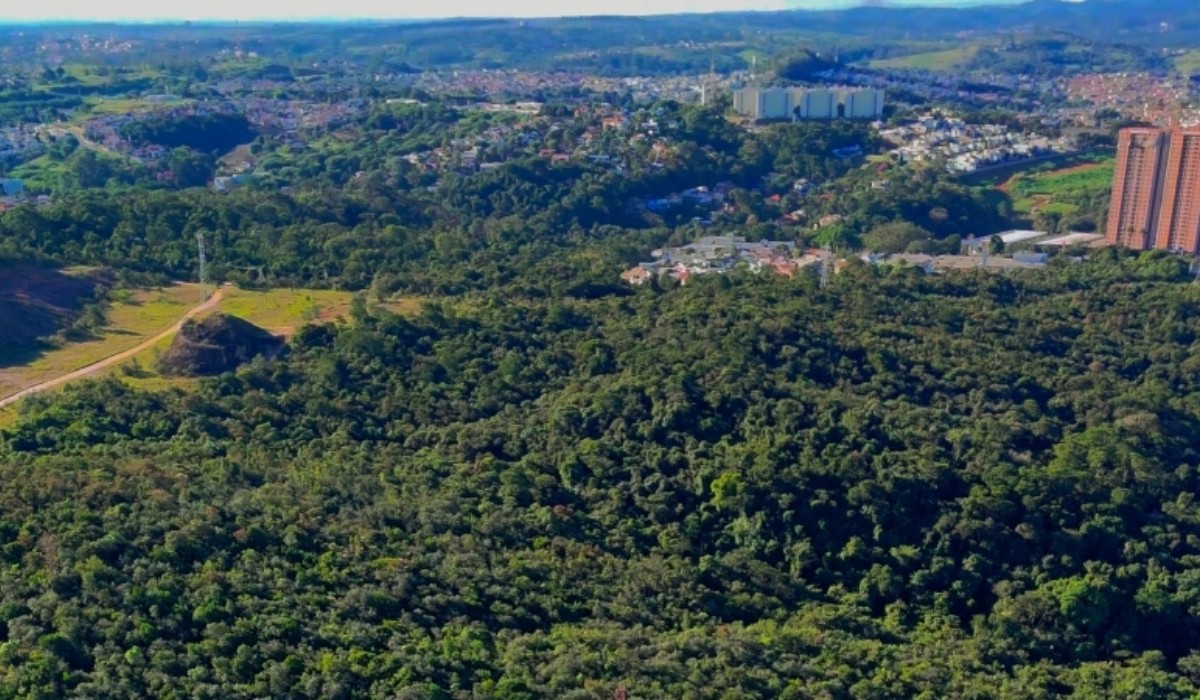
A 162-hectare plot of Brazilian Army land in Valinhos, São Paulo, known as Fazenda Remonta, was put up for auction on Friday, May 31st, for a real estate development project. The winning bid of R$ 494.4 million came from Alphaville Desenvolvimento Imobiliário. However, the transfer of ownership has been blocked by federal courts and the Federal Court of Accounts (TCU) due to environmental impact concerns raised by various entities. Originally established by the Army in 1938 for horse breeding, Fazenda Remonta has faced increasing environmental protections. In December 2023, Valinhos's Master Plan designated the area as a conservation zone, restricting urban development. By June 2026, a municipal law recognized a specific section, Gleba B, as environmental heritage, prohibiting vegetation removal and wetland infilling. Despite these designations, the Army Housing Foundation (FHE) proceeded with the auction, setting a minimum bid of R$ 90 million. The environmental protection association Proesp filed a lawsuit on May 25th to halt the process. While the courts allowed the auction to proceed and a winner to be determined, they prohibited the immediate transfer of the land's possession and ownership, pending further environmental and legal review. The TCU also questioned the justification for the sale, noting a lack of consideration for public use and the area's environmental and hydrological significance. Alphaville's bid now awaits review by a contracting commission.
The auction of Fazenda Remonta highlights a systemic tension between development pressures and environmental preservation mandates. While the Army Housing Foundation sought to monetize a federal asset, municipal environmental protections and public interest groups have raised valid concerns regarding the long-term ecological and hydrological implications of a large-scale real estate project. The judicial and TCU interventions underscore the need for robust due diligence and public consultation processes, particularly for land with recognized environmental value. Future land disposition strategies, especially for historically significant or ecologically sensitive federal properties, should proactively integrate environmental impact assessments and explore alternative public benefit uses to mitigate such conflicts and ensure sustainable urban and environmental planning in the face of evolving climate and biodiversity challenges.
AI-generated to prompt reflection — not editorial opinion, not advice, not a statement of fact. How this works.