Brazilian Army trains first women as military climbers
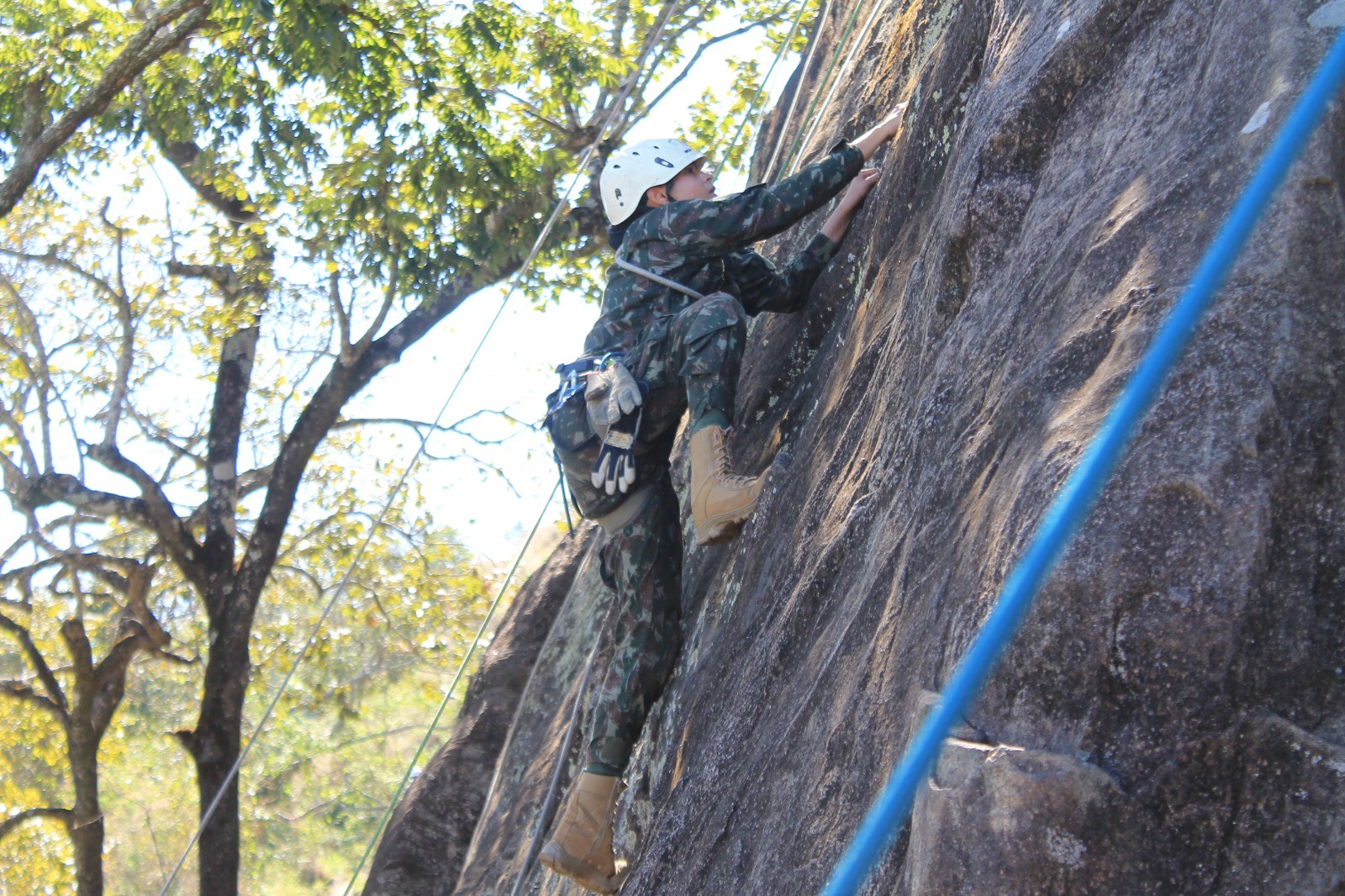
For the first time in its history, the Brazilian Army has trained and certified women as military climbers. Ten recruit soldiers successfully completed the basic mountain combatant course and received their military climber brevets and distinctive gray caps on Saturday, May 1st, in Juiz de Fora. This city hosts the nation's sole Mountain Infantry Brigade. These pioneering women are part of the 37 females incorporated into the Female Initial Military Service in Juiz de Fora this year. The intensive one-week training involved demanding traditional activities for specialized troops, including marches, climbing techniques, and rappelling, all designed to prepare soldiers for mountain operations. The exercises rigorously tested physical endurance, emotional resilience, discipline, and teamwork. Recruit Renata Lacerda de Souza described the experience as a challenging personal triumph and a privilege to be among the first women to undertake this course. Instructors noted the recruits' preparedness and determination, with Lieutenant Bernardo Marques highlighting their objective-driven approach and the satisfaction of witnessing their success. General Marcelo Pontes Feliciano, commander of the 4th Mountain Infantry Brigade, emphasized the historical significance, stating these women are making history and strengthening the brigade by serving alongside their male counterparts. For some, like recruit Alice Almeida Salles, inspired by her father and brother's military service, the course fulfilled a long-held dream. Recruit Itauana Aparecida da Silva Freitas's interest in a military career began in adolescence, and she seized the opportunity for women to enlist, gaining firsthand insight into the Army's importance. These ten soldiers will continue their initial military service, with the potential to pursue careers within the Brazilian Army.
This development marks a significant step towards gender integration within the Brazilian Army's specialized combat roles. By successfully completing rigorous mountain warfare training, these soldiers demonstrate that physical and technical capabilities are not exclusive to any gender. The initiative challenges traditional military occupational structures and aligns with broader societal trends toward equal opportunity. Future military effectiveness may increasingly depend on leveraging the full talent pool, irrespective of gender, especially in complex operational environments. This opens avenues for further review of gender-based limitations in other military specialties, potentially enhancing overall force readiness and adaptability in the coming decade.
AI-generated to prompt reflection — not editorial opinion, not advice, not a statement of fact. How this works.
