Brazilian Au Pair Reports Abuse and Theft in Martinica
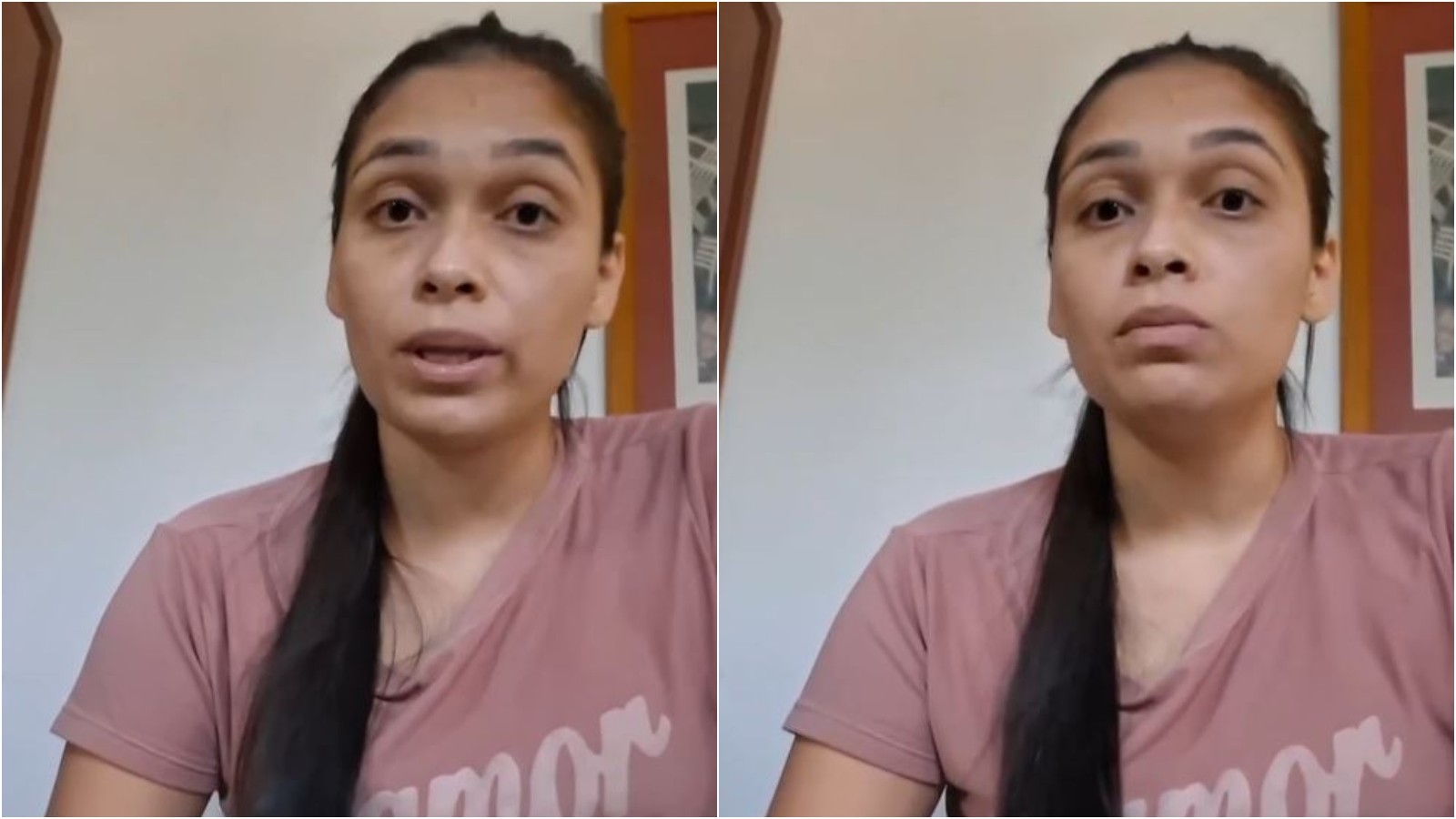
Giselle Matias, a 25-year-old Brazilian entrepreneur from Ceará, has reported experiencing physical and psychological abuse, as well as theft, while working as an au pair in Martinica. Matias traveled to the French Caribbean island in early July, having connected with her employer, who claimed to be Canadian, through an online platform. The arrangement was for her to help care for his two children, aged 7 and 11, during his vacation, with the promise of returning to Canada with the family to regularize her au pair visa. However, upon arrival, Matias found herself living in the same rented house as the employer and his children, contrary to the initial agreement of him living on a yacht. Disagreements arose, particularly after the employer learned Matias had two daughters, a fact she had not disclosed due to platform restrictions for au pairs with children. The employer allegedly refused to cover her return trip to Brazil when she expressed a desire to leave due to the uncomfortable living situation and his reaction. Shortly after, Matias reported ingesting a large quantity of pills. The next day, her employer allegedly confiscated her passport and mobile phone, demanding she leave the premises. She recounted being dragged down stairs by her hair while attempting to leave with her luggage, sustaining injuries including a fractured foot. Local neighbors assisted her, and she was hospitalized. With the help of Brazilian consulate volunteers and her family, who contacted authorities, Matias was able to report the theft and abuse. Her passport and phone were later returned, though some data was reportedly deleted. After fundraising and receiving assistance for her return flight from the Brazilian consulate, Matias arrived back in Itapipoca, Ceará, on Monday, July 20th.
This case highlights significant vulnerabilities within informal international employment arrangements, particularly for au pair positions facilitated through direct online connections without agency oversight. The incident underscores the critical need for robust due diligence by individuals seeking such opportunities and for platforms to implement stronger verification processes. Furthermore, it raises questions about the adequacy of consular support and legal recourse for foreign nationals experiencing exploitation abroad. Future frameworks might consider mandatory pre-departure orientation programs for au pairs, detailing cultural norms, legal rights, and emergency contact protocols, alongside enhanced collaboration between originating and host countries' labor and justice ministries to address cross-border employment disputes and potential abuses.
AI-generated to prompt reflection — not editorial opinion, not advice, not a statement of fact. How this works.