Brazilian Audit Court Submits List of Over 6,000 Irregular Accounts to Electoral Court
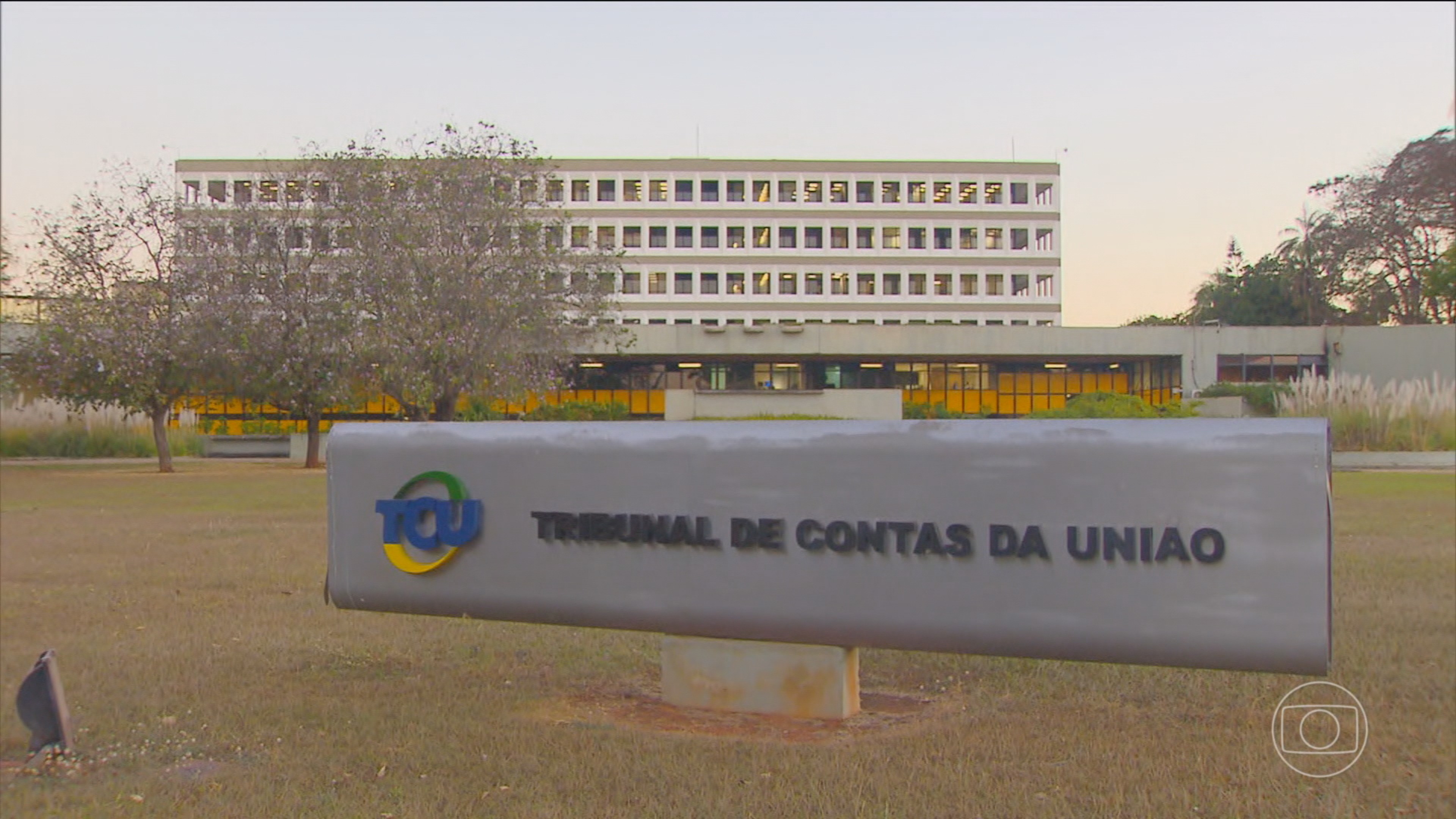
The Superior Electoral Court (TSE) will receive a list of over 6,000 individuals whose public accounts have been deemed irregular by the Federal Court of Accounts (TCU) over the past eight years. This compilation, mandated by the "Clean Slate" law, aims to assist the Electoral Justice system in assessing the eligibility of candidates for elected office. The TCU's role is to consolidate and forward this list of individuals with finalized irregular account judgments to the TSE. Individuals appearing on this list will not be able to obtain a negative certificate of irregular accounts; instead, they will receive a positive certificate, and their eligibility will be determined by the Electoral Justice.
The TCU list includes individuals who have omitted information in their accountability reports, misused public funds, or diverted public money or assets. It excludes deceased individuals, cases that have been archived, those not yet notified of decisions, individuals fined solely, and decisions that are not yet final or have been annulled. The TCU will update this data daily until December 18th. As of July 29th, the breakdown by region showed 2,369 names from the Northeast, 1,502 from the Southeast, 890 from the North, 661 from the Center-West, 659 from the South, and 85 from abroad.
The Federal Court of Accounts' submission of a list of individuals with irregular public accounts to the Superior Electoral Court highlights a mechanism designed to enhance transparency and accountability in the electoral process. This initiative, aligned with the "Clean Slate" law, aims to prevent candidates with a history of financial impropriety in public office from seeking elected positions. The process underscores the interplay between oversight bodies and electoral authorities in upholding governance standards. Looking ahead, the effectiveness of such measures will depend on the robustness of data validation, the clarity of appeal processes, and the judiciary's consistent application of eligibility criteria. Future iterations might consider broader definitions of "irregularity" or more dynamic data-sharing protocols to ensure comprehensive candidate vetting in an evolving political landscape.
AI-generated to prompt reflection — not editorial opinion, not advice, not a statement of fact. How this works.
