Brazilian Auto Industry Association Criticizes Tax Breaks for Chinese EVs, Citing Unfair Competition
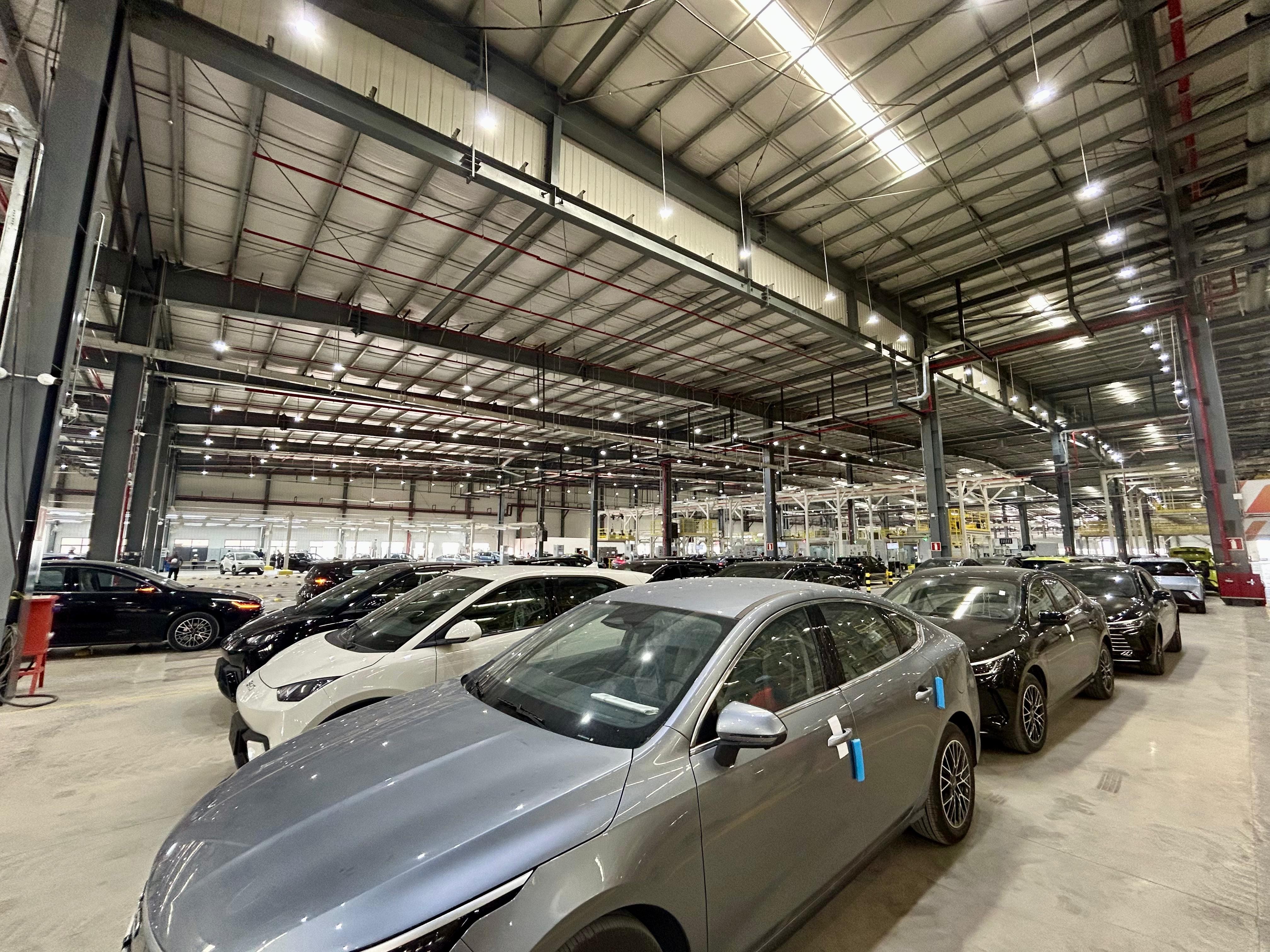
The National Association of Automotive Vehicle Manufacturers (Anfavea) has strongly criticized a recent government decision to extend tax exemptions for semi-knocked-down (SKD) and completely knocked-down (CKD) electric vehicles until January 2027. According to Anfavea president Igor Calvet, this policy creates an uneven playing field, disadvantaging established Brazilian manufacturers against Chinese brands that import vehicles in large volumes with reduced tax burdens. Calvet stated that companies can simply import at a lower Chinese cost with cheaper logistics and capital, making competition impossible for domestic producers. The Gecex (Foreign Trade Chamber's Management Executive Committee) renewed the duty-free import quota for these vehicles, with a six-month limit of US$463 million starting July 1, 2026, valid until January 2027. Anfavea's tax and foreign trade director, Andrea Serra, highlighted that the calculation for this quota, based on operations since 2023, disproportionately benefits BYD, which accounts for approximately 80% of the quota. Serra argued that the calculation should reflect the current market, suggesting a six-month period for a more accurate assessment. Calvet also warned that a full shift to CKD and SKD assembly could lead to a 70% job loss in the automotive sector due to the simpler, less labor-intensive assembly process. He questioned the government's dual approach of encouraging sophisticated domestic production while simultaneously incentivizing the import of disassembled vehicles.
The Brazilian government's extension of tax exemptions for imported semi-knocked-down and completely knocked-down electric vehicles, while intended to foster EV adoption, presents a complex trade-off between market access and domestic industrial development. Anfavea's concerns regarding unfair competition and potential job losses highlight the tension between attracting foreign investment and nurturing a robust local manufacturing base. The policy's design, which appears to disproportionately benefit specific foreign entities, raises questions about equitable market access and the long-term sustainability of Brazil's automotive sector. Future policy considerations could involve balancing import incentives with domestic production requirements, fostering technology transfer, and ensuring a competitive landscape that supports both innovation and employment within the evolving global automotive industry.
AI-generated to prompt reflection — not editorial opinion, not advice, not a statement of fact. How this works.