Brazilian Banks Auction Properties in Goiás State, Prices Range from $22K to $77.6M
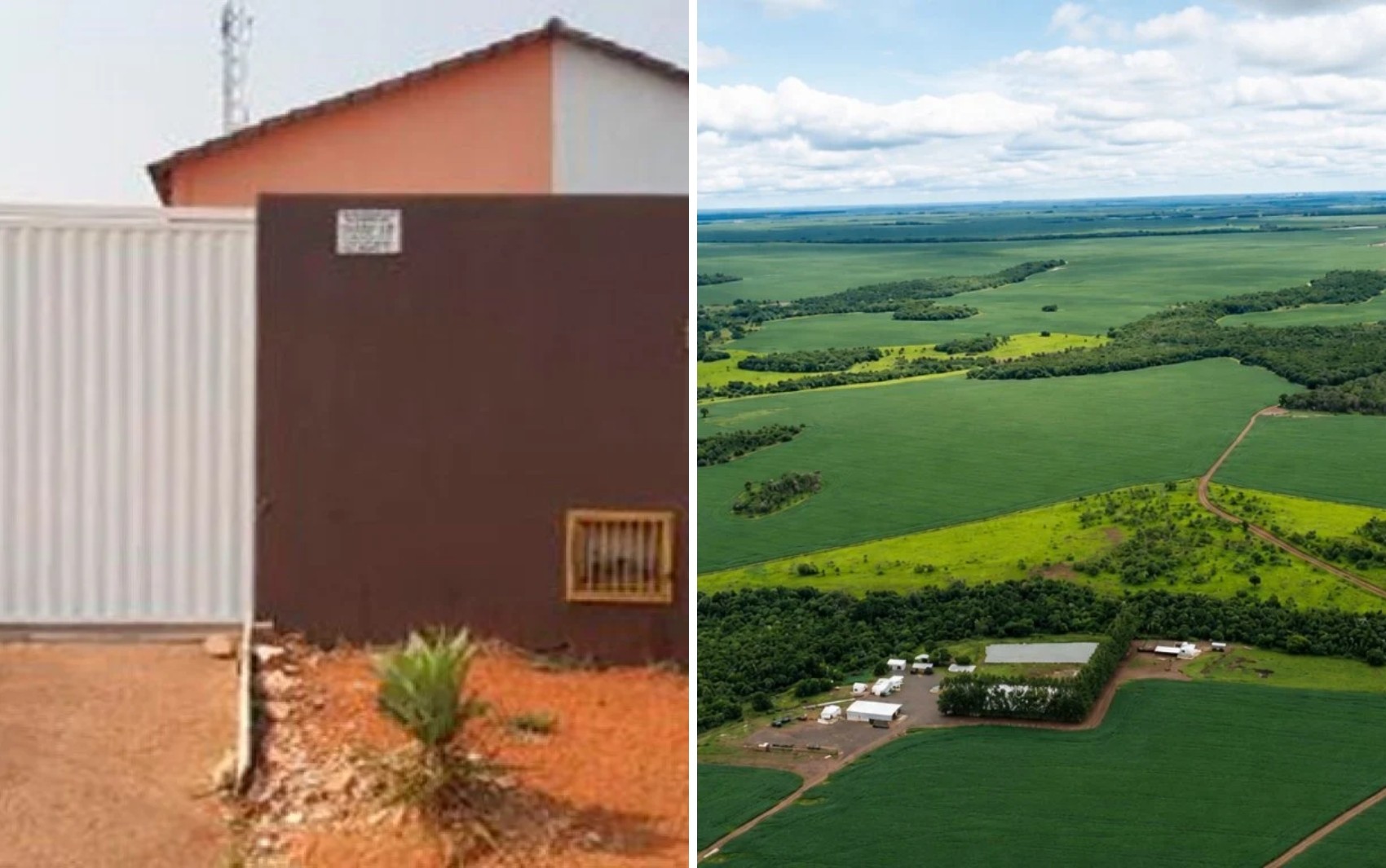
Multiple Brazilian banks are auctioning a wide array of properties across the state of Goiás, with initial bids ranging from R$ 22,000 to R$ 77.6 million. The auctions are being managed by Mega Leilões and feature both urban and rural real estate in various Goian cities. Some properties are currently open for bidding, while others will have their auctions commence soon.
The highest-value property is a farm exceeding one thousand hectares in the rural area of Rio Verde, offered by Banco Bocom with an initial bid of R$ 77.6 million. Conversely, the lowest initial bid is for a 59-square-meter house in Valparaíso de Goiás, near the Federal District, being sold by Bradesco.
In the state capital, Goiânia, available properties have initial bids between R$ 161,000 and R$ 3.1 million. The least expensive offering in Goiânia is a two-bedroom, two-bathroom, 66-square-meter apartment in the Setor Sudoeste, listed by Santander. Bradesco is also selling a house over 200 square meters in the Residencial Goiânia Golfe Clube, which has the highest initial bid among properties in the capital. Properties are available in numerous cities throughout Goiás, including Rio Verde, Caldas Novas, Goiânia, Anápolis, and Aparecida de Goiânia.
The widespread auctioning of properties by major financial institutions signifies a significant market dynamic, potentially reflecting increased non-performing loans or strategic portfolio adjustments. The vast disparity in property values, from modest residences to expansive agricultural estates, highlights diverse economic strata and land use patterns within Goiás. This event offers a window into credit market health and the real estate sector's resilience or distress. Analyzing the types of properties and their locations could reveal underlying trends in urbanization, agricultural investment, and regional economic development, providing insights into the broader economic landscape of Brazil's interior.
AI-generated to prompt reflection — not editorial opinion, not advice, not a statement of fact. How this works.