Brazilian Beef Exports Hit Record High, But China Quota and EU Rules Pose Challenges
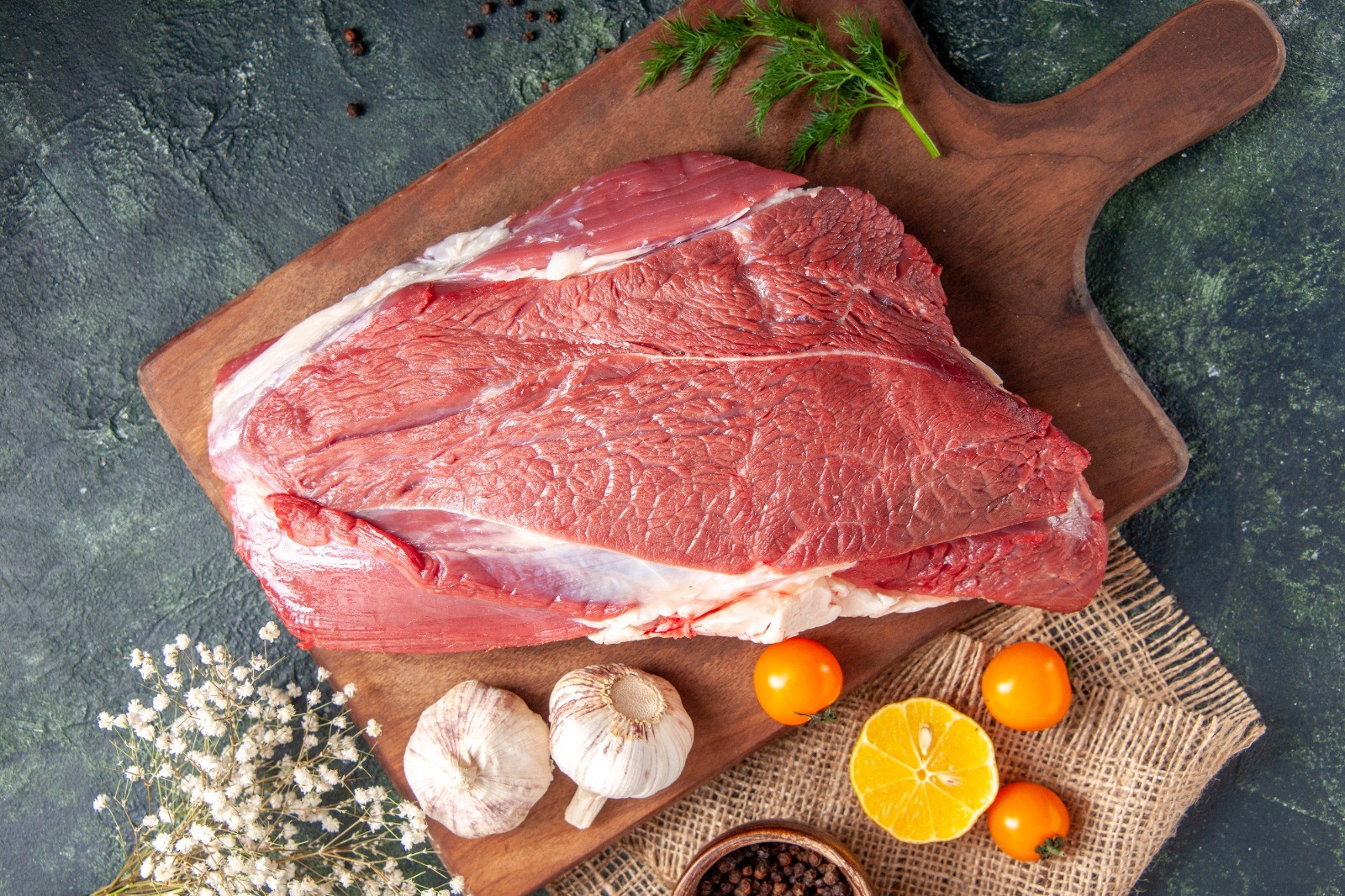
Brazilian beef exports achieved a record high in the first half of 2026, generating $9.929 billion, a 33.4% increase from the same period in 2025. Volume also rose by 7.3% to 1.811 million tons, marking the best first-half performance in both value and volume according to the Brazilian Association of Meatpacking Companies (Abrafrigo). However, the sector anticipates a more challenging second half due to the exhaustion of China's import quota and potential restrictions from the European Union.
The primary concern is China's beef import quota, estimated at 1.106 million tons for Brazil in 2026, which Abrafrigo believes was filled by June. This led to a halt in July shipments, as exports exceeding the quota face a 55% tariff. Consequently, Brazil's beef sales to China could decrease by approximately $4 billion in 2026 compared to $8.845 billion in 2025. Abrafrigo suggests that shipments arriving in Chinese ports in January 2027 could be counted towards the next year's quota, potentially mitigating some losses.
Further complicating matters, the EU may suspend purchases from September due to disagreements over certification models for herds free from antimicrobial use. While Brazil is negotiating with EU sanitary authorities, concrete solutions remain elusive. Despite these challenges, sales to other markets are showing growth. The United States, the second-largest buyer, increased imports by 14.76% to $1.465 billion, with in-natura beef purchases up 41%. Chile, the third-largest destination for in-natura beef, saw a 33.12% rise in purchases. Other expanding markets include Russia, Hong Kong, Saudi Arabia, and Egypt, underscoring the importance of market diversification.
The record-breaking first-half performance in Brazilian beef exports highlights robust global demand and the sector's production capacity. However, the reliance on key markets like China, coupled with the complexities of import quotas and regulatory compliance in the EU, exposes systemic vulnerabilities. The situation underscores the strategic imperative for Brazil to diversify its export destinations and navigate international trade agreements proactively. Future trade dynamics will likely be shaped by evolving consumer preferences, geopolitical influences on supply chains, and the increasing emphasis on sustainable and traceable food production practices, necessitating adaptive strategies to maintain market access and mitigate risks.
AI-generated to prompt reflection — not editorial opinion, not advice, not a statement of fact. How this works.