Brazilian Beef Prices Unlikely to Drop Despite China Export Quota Limit
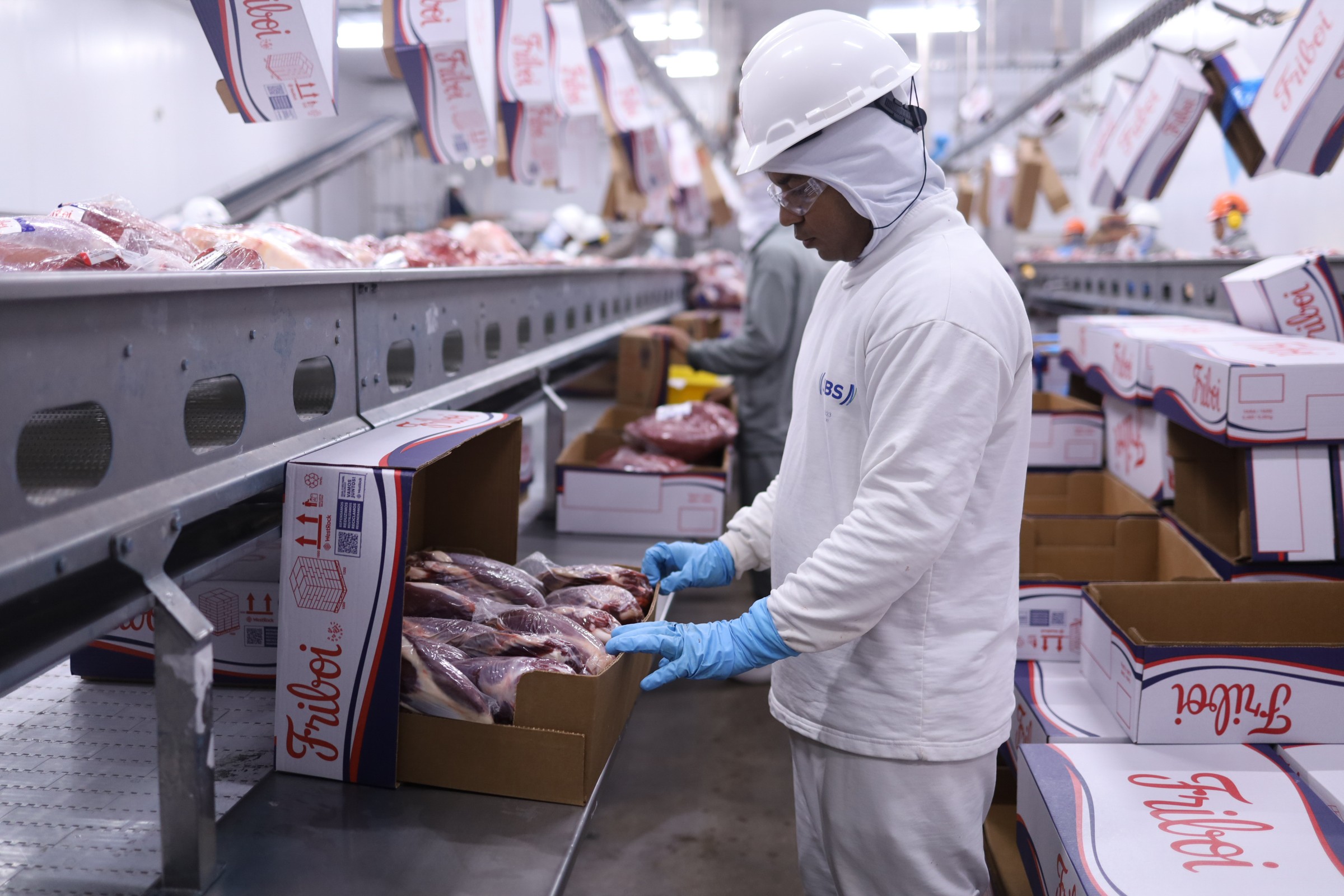
Brazil is nearing its annual beef export quota limit for China, prompting frigorificos (meatpackers) to reduce their purchases of cattle. This reduction in exports, however, is not expected to lead to an oversupply of beef in the Brazilian market. Instead, economists predict that beef prices in Brazil could even increase during the final quarter of the year. China, Brazil's primary beef buyer, has implemented an annual quota of 1.1 million tons for reduced tariffs of 12%. Once this volume is reached, the tariff escalates to 55%, significantly impacting the competitiveness of Brazilian beef.
With frigorificos scaling back cattle slaughter, domestic production is decreasing, which, without an increased supply, will likely keep supermarket prices high. Furthermore, as the end of the year approaches, frigorificos are preparing to meet China's demand for 2027, diverting production towards that market. Simultaneously, domestic consumption typically rises due to year-end holidays, adding further upward pressure on prices. Analysts also point to the dry climate caused by the impending El Niño, which could further reduce pasture availability and impact cattle supply.
While current domestic demand is low and has not supported producer prices, and some frigorificos may take collective holidays, the overall trend suggests stable or rising prices for consumers. Despite the potential loss of revenue from the Chinese market, Brazil is exploring new markets like Argentina and Uruguay, and other countries may also increase their purchases of Brazilian beef for domestic consumption or re-export to China. China's quota system aims to stimulate its domestic production, but current local supply cannot meet demand, keeping prices high within China.
The dynamics of Brazil's beef exports to China illustrate a complex interplay between international trade quotas, domestic production cycles, and seasonal demand. The Chinese quota system, while intended to foster local agriculture, creates a bottleneck that shifts market pressures. Brazilian frigorificos face a strategic challenge: prioritizing immediate export opportunities within quota limits versus long-term market access and domestic supply considerations. The anticipation of future demand, coupled with external factors like climate, suggests that supply-side constraints will likely dominate pricing in the short to medium term. This scenario highlights the vulnerability of commodity-dependent economies to the regulatory and demand-side shifts of major trading partners, prompting a need for diversified export strategies and resilient domestic agricultural planning.
AI-generated to prompt reflection — not editorial opinion, not advice, not a statement of fact. How this works.