Brazilian Boi-Bumbá Song Goes Viral During World Cup, Taunts Norway
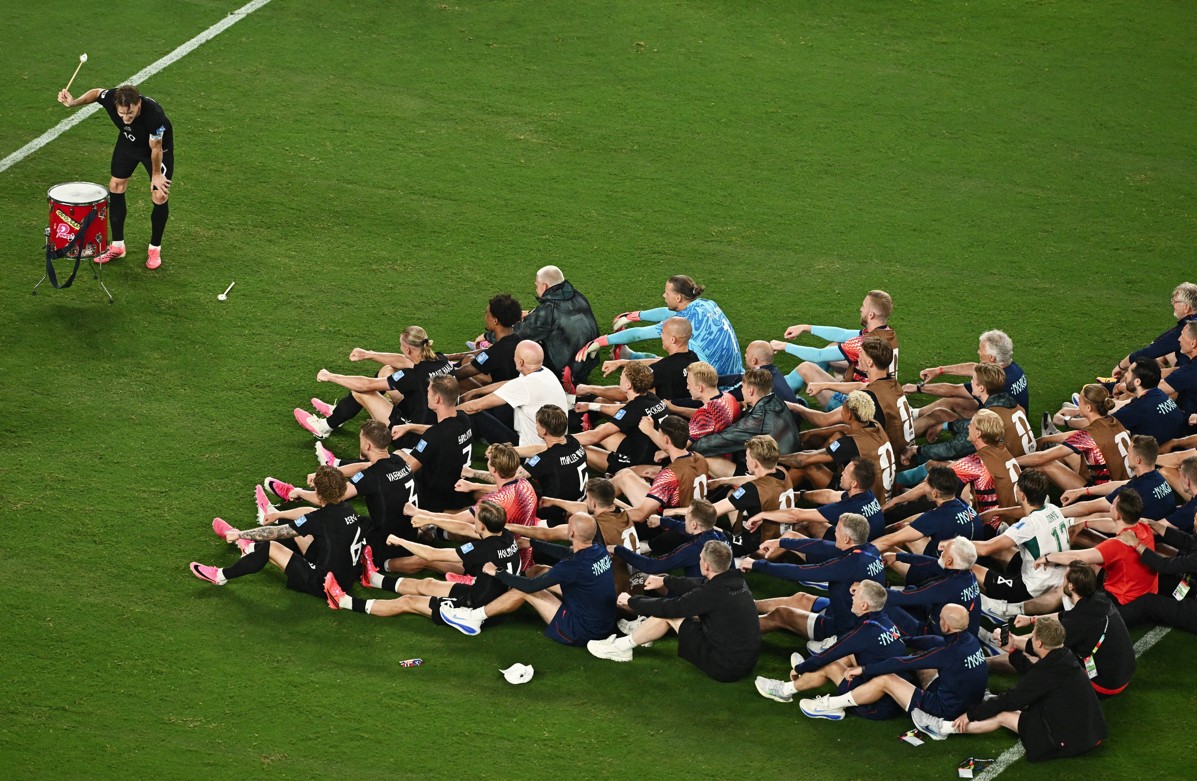
A song from the Brazilian Boi-Bumbá festival, titled 'Pode Remar' by Boi Garantido, has unexpectedly become a viral hit on social media during the World Cup. The catchy tune, featuring the lyric 'Pode remar, remar, contrário sai pra lá' (Row, row, the opposite goes away), is being used by Brazilian fans as a playful response to the Norwegian team's 'Viking row' celebration. This celebration, involving synchronized rowing motions and drumming, gained popularity among football fans. The Boi Garantido organization itself joined the trend, with its president, Fred Góes, sharing a video of himself with a paddle, calling the song the 'new World Cup hit.' The song's composers, Márcia Novo, Luciano Nascimento, Daniel Carvalho, and Leonardo Castelo, expressed surprise and joy at its widespread reception. Castelo noted it was his first approved song for Garantido's 2025 album and expressed hope it would bring luck to the Brazilian team. Novo shared her excitement upon learning of the song's viral status, even outside of Brazil, and voiced her fervent wish for a Brazilian victory, stating that a win would solidify the song's status as a World Cup anthem.
This event highlights the organic and often unpredictable ways cultural elements can intersect with global sporting events, amplified by social media. The 'Pode Remar' song's viral spread demonstrates how local traditions can find unexpected international resonance, serving as a unique form of nationalistic expression and playful rivalry. The dynamic illustrates the power of meme culture and fan-generated content to shape narratives around major tournaments, potentially influencing perceptions beyond the immediate sporting context. From a cultural perspective, it showcases the adaptability of traditional art forms to contemporary digital platforms, offering a case study in cultural diffusion and the creation of new forms of collective identity in the digital age.
AI-generated to prompt reflection — not editorial opinion, not advice, not a statement of fact. How this works.