Brazilian Businessman Missing in Spain for Over Two Months, Wife Pleads for Answers
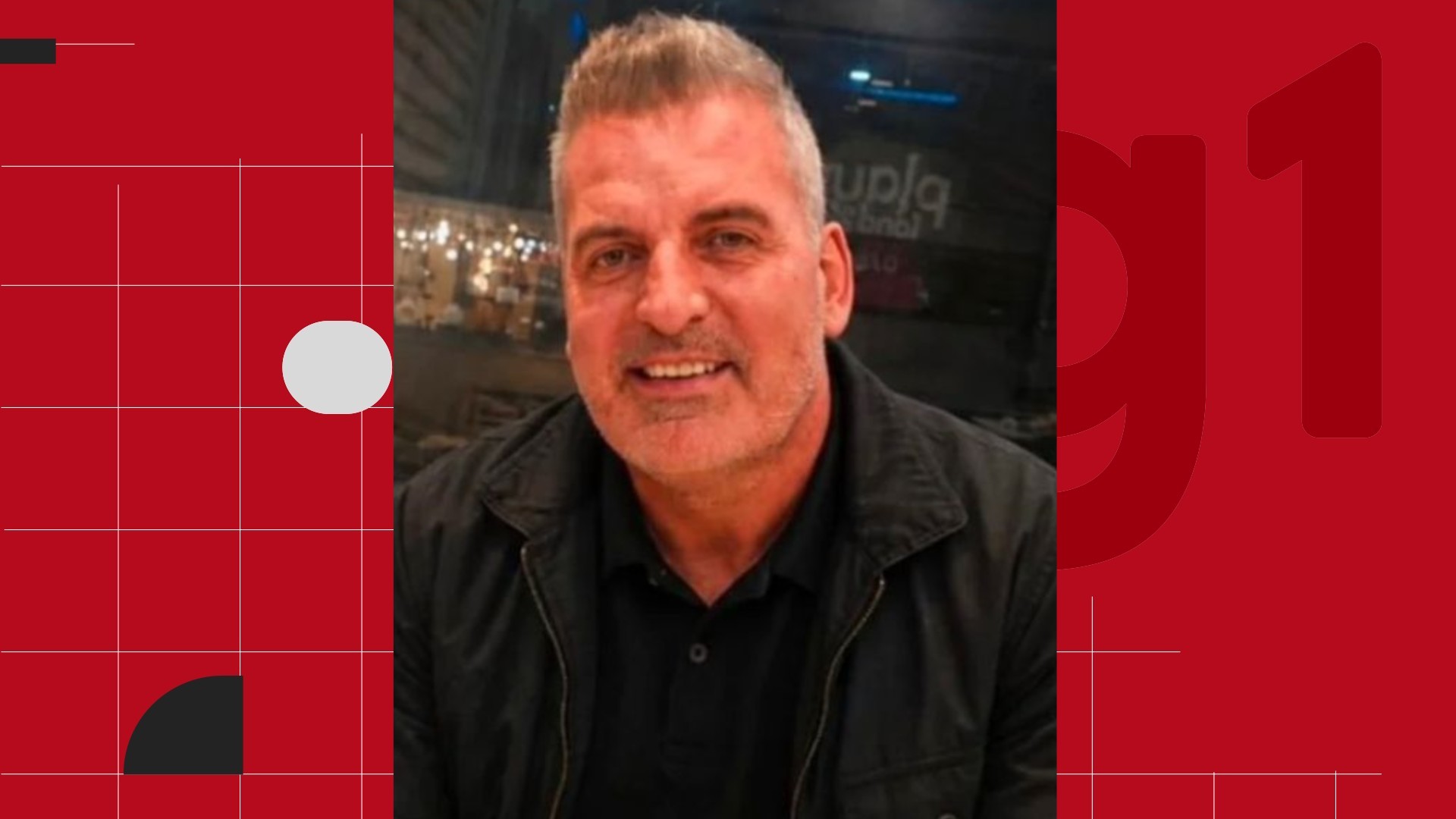
Vitor Hugo Paladini, a 49-year-old Brazilian businessman, has been missing in Barcelona, Spain, for over two months. He was last seen on May 15th after arriving in the city. His wife, who has remained anonymous, expressed her anguish in a video, stating, "We are living horrible days, our son has been going through terrible moments." Paladini, who runs a vehicle import company, last contacted his family to say he was in a taxi and would be home in eight minutes. Since then, all communication has ceased. The family has not heard from him after he sent videos and audio messages to his son, indicating his imminent arrival at an apartment where he was to meet his brother. The family's lawyer, Maurício Batista da Silva, emphasized the need for international cooperation between Brazil and Spain to locate Paladini and provide answers to his family. Brazilian and Spanish embassies and consulates are involved in the search efforts. Paladini is described as 1.90 meters tall, with tattoos on his forearm, and was last seen wearing a blue jeans, a black polo shirt, and a black jacket.
The disappearance of Vitor Hugo Paladini highlights the critical need for robust international cooperation in missing persons cases, particularly when they involve cross-border travel. The prolonged absence and the family's evident distress underscore the emotional and logistical challenges faced by those seeking answers. This situation also points to the complexities of ensuring traveler safety and the effectiveness of communication channels between individuals and authorities in foreign countries. Future considerations may involve enhancing bilateral agreements for swift information sharing and coordinated investigative efforts, especially for business travelers whose itineraries may be less predictable. The case serves as a stark reminder of the vulnerabilities inherent in global mobility and the importance of preparedness and reliable support systems.
AI-generated to prompt reflection — not editorial opinion, not advice, not a statement of fact. How this works.