Brazilian businessman suspected of drug money laundering, linked to PCC, flees after US sanctions
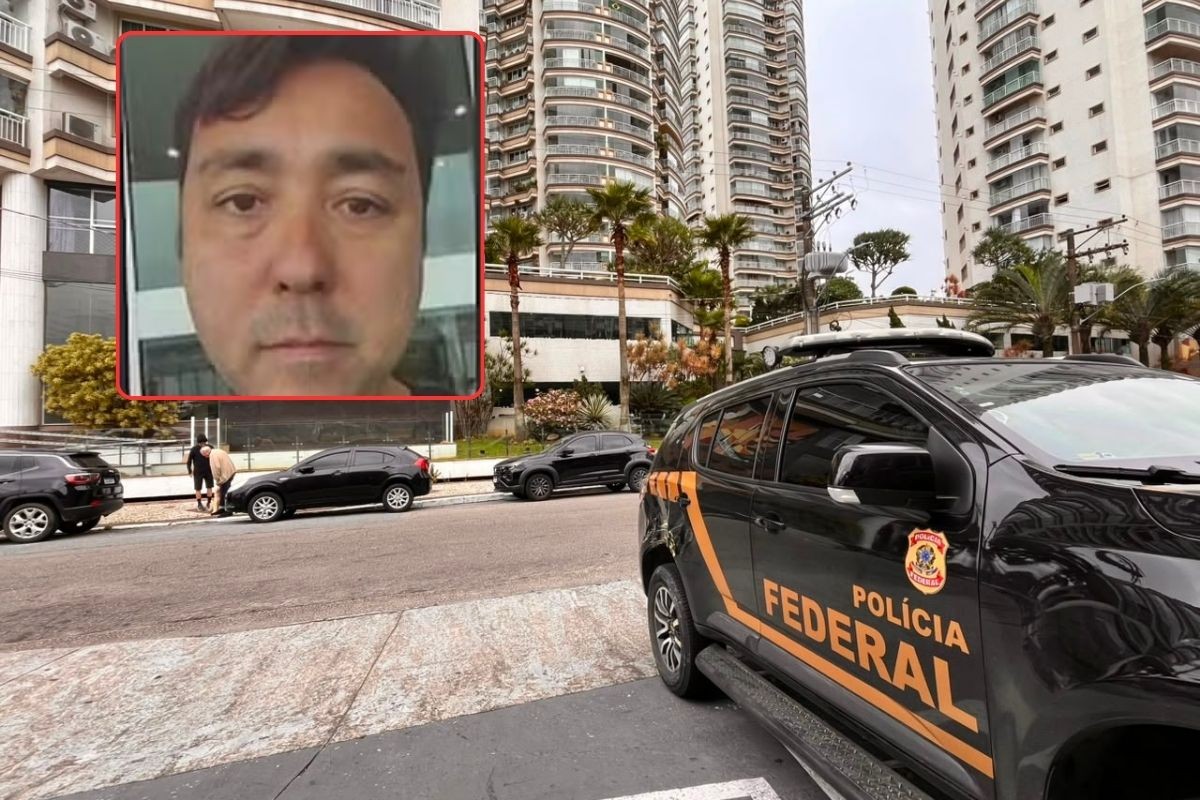
Brazilian Federal Police (PF) stated they were already monitoring businessman Victor Henrique de Oliveira Shimada, suspected of operating an international drug trafficking money laundering network. The PF expressed surprise at his flight after the United States announced sanctions against him on Wednesday, November 1st. Shimada was a target of Operation Exchange, launched on Friday, November 3rd, to dismantle the criminal organization, but he was not found and is now considered a fugitive. The operation, authorized by the judiciary on June 2nd, was in preparation when the U.S. sanctions were revealed. According to PF sources, this operation involved weeks of intelligence gathering, target monitoring, and logistical planning. Investigators claim Shimada disappeared from authorities' radar after being placed on the U.S. sanctions list for alleged ties to the PCC (Primeiro Comando da Capital). Shimada allegedly used over 70 companies to launder money from international drug trafficking, acting as a "modern money launderer." He is a partner in Victory Trading and Avenidas Flutuantes Unipessoal, both sanctioned by the U.S. Treasury Department's Office of Foreign Assets Control (OFAC). These sanctions block assets in the U.S. and any companies owned 50% or more by the sanctioned individuals. The U.S. government has classified Shimada as a "key link between PCC members in Florida and international traffickers," accusing him of laundering over $30 million (approximately R$ 156 million) in illicit funds generated in various U.S. cities, using cryptocurrencies to transfer funds back to Brazil for the PCC. He is also under investigation for alleged involvement in money laundering operations related to the VaideBet case, which is probing resource diversions from a sponsorship contract with the Corinthians football club. Shimada's location was already uncertain in that process, as he was not found at home by judicial officers and had not appointed legal representation. The PF seized money in an operation targeting Brazilians sanctioned by the U.S. Operation Exchange had, as of the latest update, executed seven of eleven temporary arrest warrants. Among those arrested is Shimada's secretary, Stella Stefanie Nunes Henrique de Oliveira, also sanctioned by the U.S. The PF stated that Stella and Shimada used nicknames for communication, with Shimada known as "Japa" and Stella as "Lara Croft." Stella allegedly coordinated cash collection and movement, while Shimada acted as the link between financial operators and PCC-linked traffickers in Brazil. In addition to arrest warrants, the judiciary authorized thirteen search and seizure warrants in São Paulo, Santos, Praia Grande, and Santana de Parnaíba. Assets, funds, and crypto assets totaling R$ 10.4 billion were also ordered seized. The PF asserts the group used a structured system involving illicit cryptocurrency transfers, cash transport, high-value bank operations, and transfers between individuals and companies. The investigated individuals may face charges of criminal association, money laundering, and capital flight. Shimada's concern about international investigations was previously noted in materials seized by the PF. Audio recordings from his phone in August 2024 indicated his belief that an investigation into a R$ 35 million fraud against Banco Votorantim could reach the FBI. The PF is investigating this R$ 35 million fraud against Banco Votorantim, where part of the money was converted to cryptocurrency and passed through Victory Trading, linked to Shimada. In January 2025, Shimada briefly served house arrest in Brazil for this separate case.
The U.S. sanctions, coupled with the Brazilian Federal Police's Operation Exchange, highlight the increasing global coordination against financial crime, particularly drug trafficking and money laundering. The simultaneous action by U.S. and Brazilian authorities suggests a shared intelligence framework and a strategic effort to disrupt the financial infrastructure of transnational criminal organizations like the PCC. Shimada's alleged role as a "modern money launderer" using over 70 companies and cryptocurrencies points to the evolving tactics of illicit finance, necessitating adaptive law enforcement and regulatory responses. The swiftness of Shimada's alleged flight after the sanctions announcement indicates the effectiveness of targeted financial pressure in prompting evasive actions, underscoring the importance of rapid asset freezing and international cooperation in preventing fugitives from evading justice. This case also raises questions about the efficacy of sanctions as a deterrent versus a trigger for immediate flight, and the challenges in apprehending individuals who operate across multiple jurisdictions and leverage sophisticated financial instruments.
AI-generated to prompt reflection — not editorial opinion, not advice, not a statement of fact. How this works.