Brazilian businessmen fined R$6 million for deforestation of indigenous land
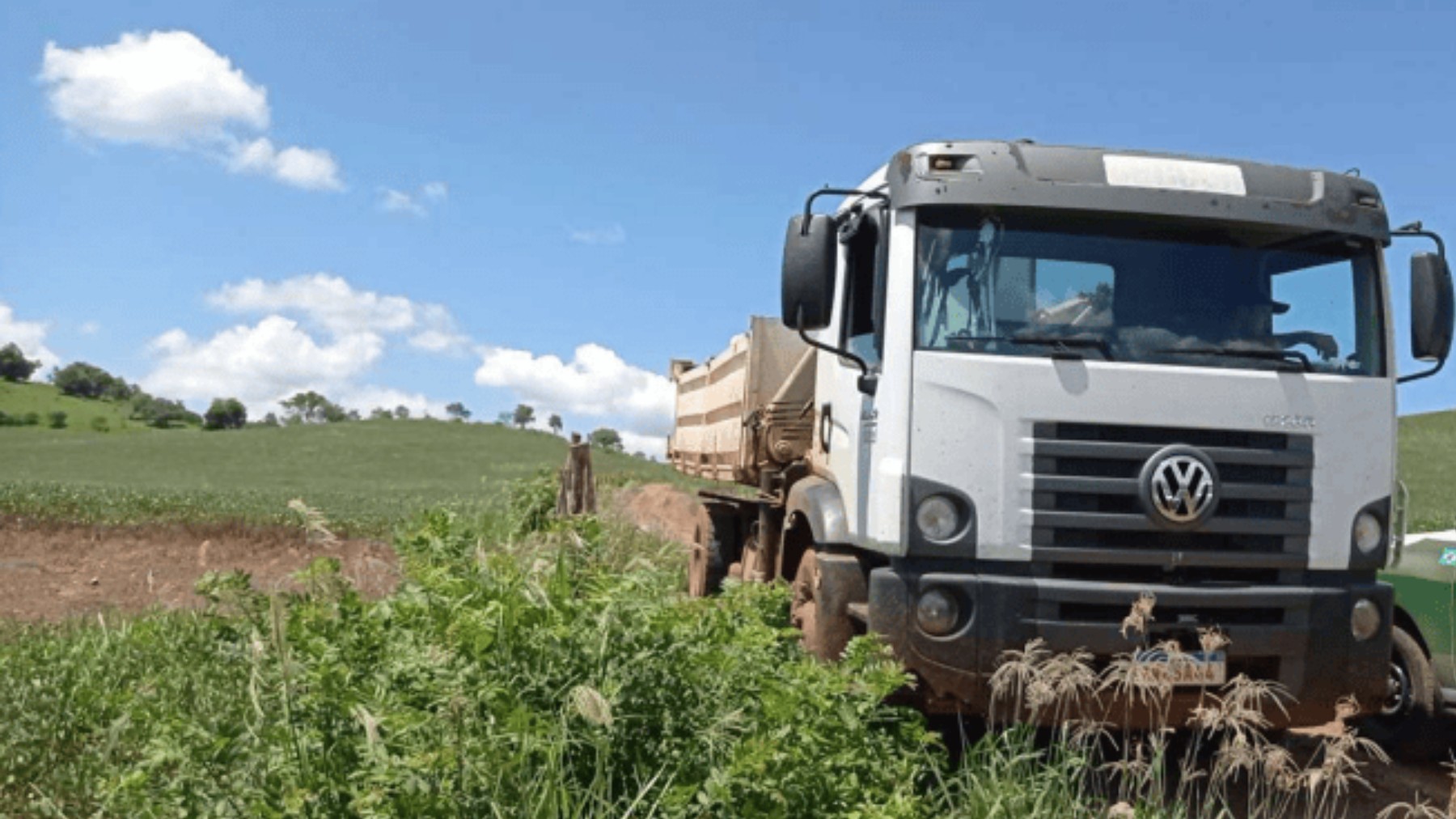
Brothers Leo Luiz Ceccon, 53, and Zairo Ceccon, 55, have been ordered to pay R$6 million in environmental damages for deforesting 551.1 hectares of the Rio das Cobras Indigenous Land in Nova Laranjeiras, Paraná. This cleared area, equivalent to 771 football fields, was used to cultivate genetically modified corn and soy, which is prohibited on indigenous territories and conservation areas. Investigations by Ibama, Funai, and the Federal Police indicate these offenses occurred between May 2018 and October 2021. The Federal Court also sentenced the businessmen to over three years and ten months of semi-open imprisonment, commuted to community service and a payment of 30 minimum wages (approximately R$48,600). Their company, Cerealista Ceccon Verê, is barred from government contracts for the same period and faces a R$81,000 fine. The ruling mandates the brothers to replant native species according to a recovery plan approved by Ibama. Initially, a lower court had acquitted them of deforestation charges, but an appeal by the Federal Public Ministry led to their conviction by the TRF-4. The appellate court affirmed that evidence, including official reports and expert testimony, fully proved the deforestation and the use of prohibited GM crops.
This case highlights the legal and ethical complexities surrounding economic development on protected lands. The judicial decision underscores the principle of environmental restitution, mandating significant financial penalties and ecological restoration. It also reinforces the legal framework prohibiting genetically modified crops in sensitive ecosystems, emphasizing the need for stringent regulatory oversight. The initial acquittal and subsequent reversal on appeal suggest potential challenges in evidence presentation or judicial interpretation in environmental crime cases. Moving forward, clearer guidelines and more robust enforcement mechanisms may be necessary to prevent future encroachments on indigenous territories and conservation areas, balancing economic interests with ecological preservation and indigenous rights.
AI-generated to prompt reflection — not editorial opinion, not advice, not a statement of fact. How this works.