Brazilian Caretaker Rescued From Forced Labor After Earning Only $30 Monthly
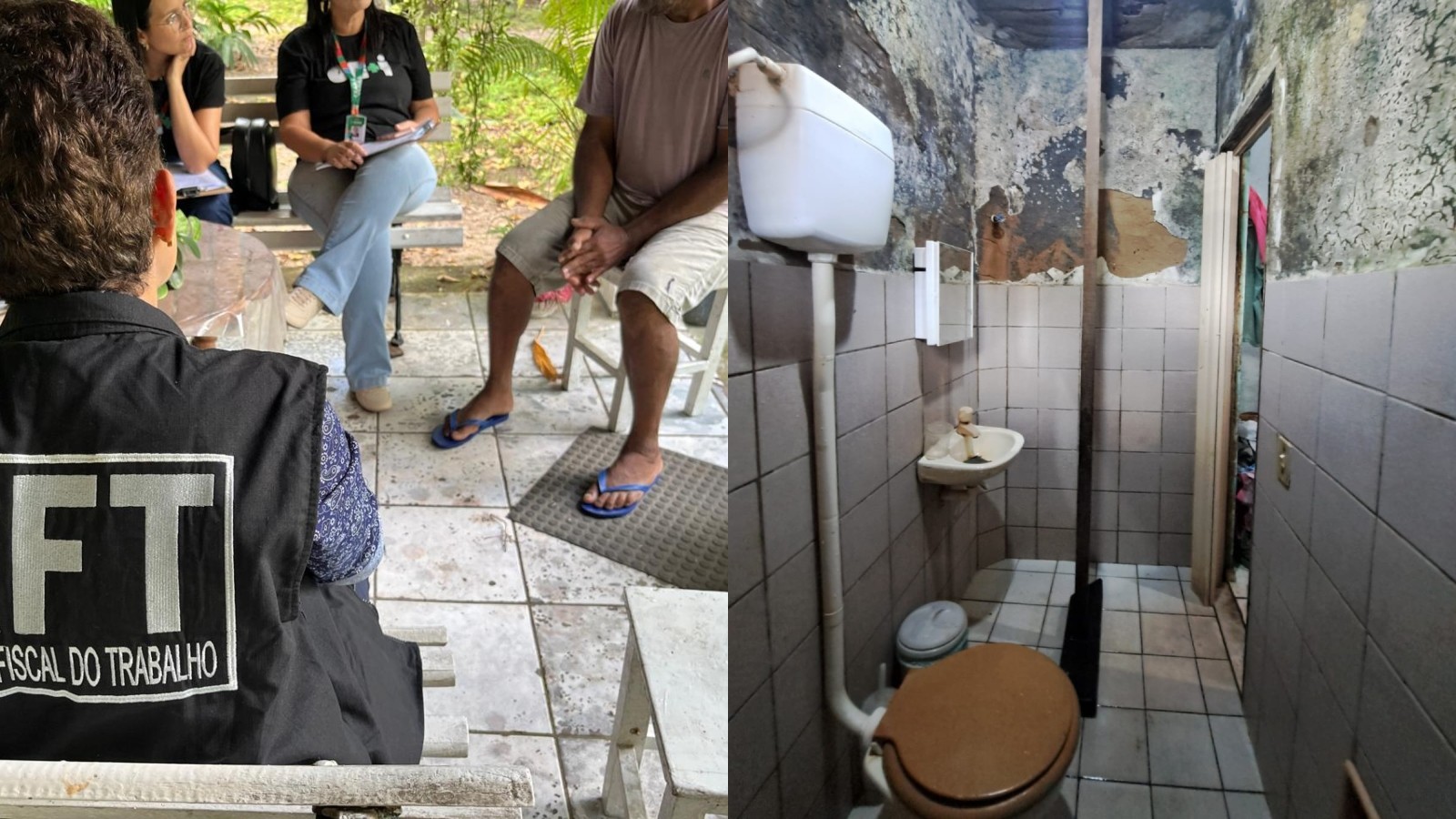
A caretaker and his family have been rescued from conditions analogous to slavery in Aquiraz, Ceará, Brazil, after enduring approximately 18 years of precarious living and working situations. The caretaker reported to the Labor Audit Office (AFT) that in May, prior to his rescue in late June, he received only R$160 (approximately $30 USD) for his work. During the COVID-19 pandemic, his monthly earnings had dwindled to between R$30 and R$40. The family faced extreme food insecurity, with only instant noodles available at the time of their rescue. They had been living on the property since 2008, relying on aid from third parties for sustenance, a situation corroborated by witnesses. The employer, whose identity was not disclosed, claimed to have paid wages regularly but failed to present payment records to the AFT and the Public Ministry of Labor (MPT), which collaborated on the rescue operation. The caretaker had moved to the property with his wife and children after being promised formal employment, a minimum wage, a food basket, and better living conditions, leading him to sell his previous home. However, these promises were not fulfilled, and the employment relationship was never formalized. The family lived in a structurally deficient home, making improvised repairs themselves and relying on donations and discarded materials for basic furniture. The AFT estimated the worker's labor claims to be around R$180,000, including unpaid vacation, 13th salaries, and overtime. The employer signed a Conduct Adjustment Agreement (TAC) with the MPT, acknowledging irregularities and agreeing to pay R$50,000 in two installments, and to formalize the employment and social security contributions for the period from July 2020 to June 2026. This agreement does not preclude future legal action for the full period claimed by the worker.
This case highlights systemic failures in labor law enforcement and worker protection, particularly for vulnerable populations in remote areas. The prolonged exploitation, spanning nearly two decades, suggests a significant gap between legal protections and their practical application. The employer's agreement to a Conduct Adjustment Term, while a step towards remediation, only covers a fraction of the alleged exploitation period and a portion of the estimated financial claims. This raises questions about the adequacy of current enforcement mechanisms to deter such egregious abuses and ensure full restitution. Future policy considerations could include enhanced proactive inspections, stronger penalties for employers found in violation, and improved support systems for workers who have experienced prolonged exploitation, ensuring that agreements provide comprehensive rather than partial redress and prevent future occurrences by addressing the underlying incentive structures that permit such exploitation.
AI-generated to prompt reflection — not editorial opinion, not advice, not a statement of fact. How this works.