Brazilian Churches Adjust Service Times for World Cup Match
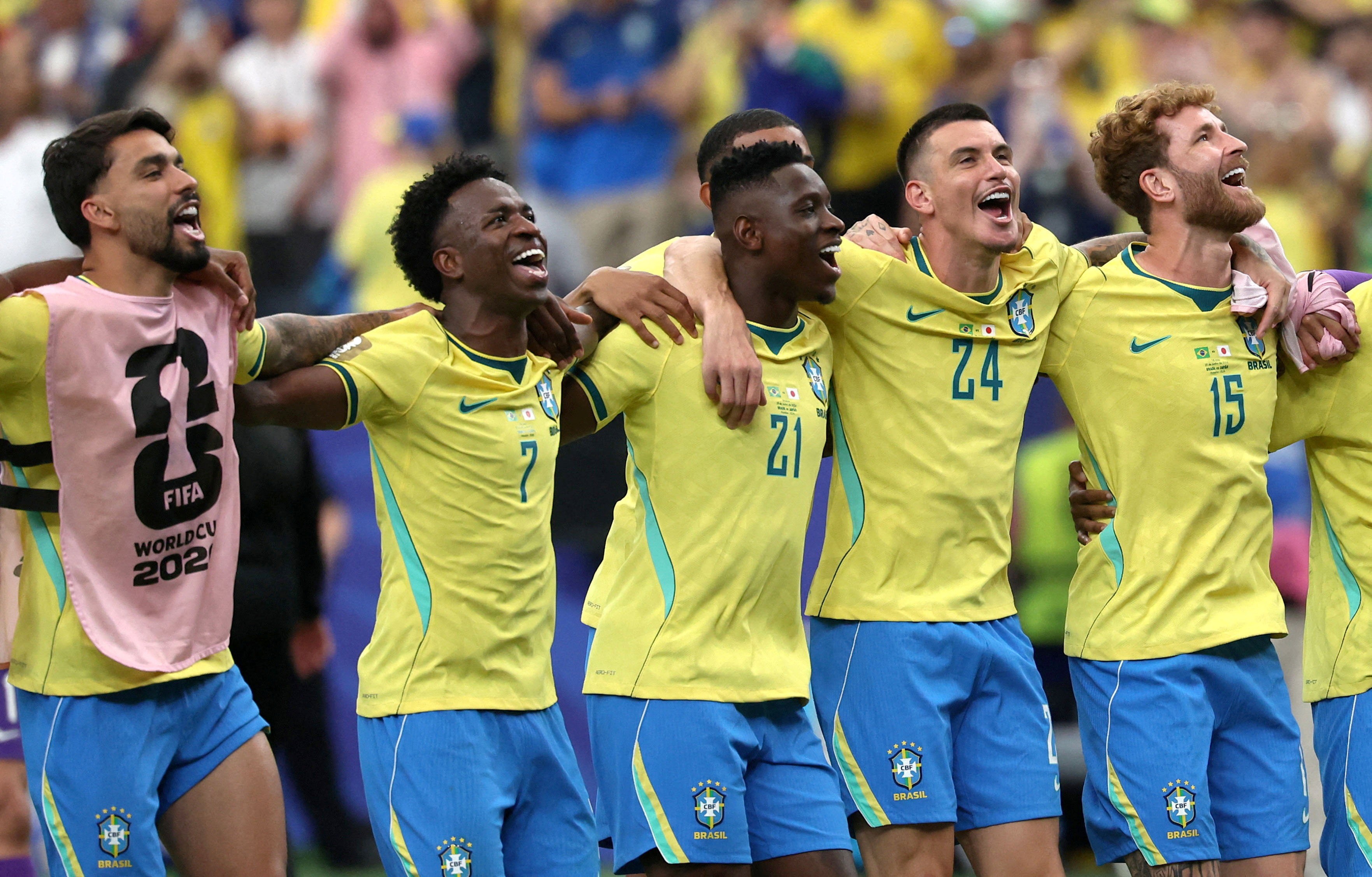
Churches in the Greater Vitória region of Espírito Santo, Brazil, have altered their mass and worship service schedules to accommodate parishioners wishing to watch the Brazilian national team's World Cup match against Norway. The crucial Round of 16 game is set to take place on Sunday, June 5th, at 5 PM local time, coinciding with typical service hours. Religious leaders have emphasized that decisions are being made at the congregational level, with no universal directive. Some churches are rescheduling services entirely, while others are planning to broadcast the match on large screens before or after their regular programming. The First Baptist Church of Jardim Camburi in Vitória, for instance, has moved its 6:30 PM worship service to 7 PM and will show the game on screens in its Celebration Center, with the service commencing only after the match concludes, even accounting for potential overtime. Similarly, Catholic parishes are making adjustments; some have canceled evening masses and increased morning service offerings. The rector of the Bom Pastor Parish and Sanctuary in Cariacica, Father Anderson Gomes, recorded a video explaining the schedule changes and encouraging attendance at morning masses or a Saturday evening service. The Parish of São Francisco de Assis in Itapuã, Vila Velha, has suspended its 5 PM and 7 PM masses, adding more services on Sunday morning to accommodate the faithful. The match itself is a knockout game held at MetLife Stadium in New Jersey, USA, with broadcast coverage on multiple Brazilian television and streaming platforms.
This event highlights the intersection of cultural practices, religious observance, and major sporting events within a community. The flexibility shown by religious institutions in adapting their schedules reflects an understanding of football's significant cultural role in Brazil and a desire to maintain community engagement. This adaptive approach contrasts with more rigid institutional responses, suggesting a spectrum of how religious organizations balance tradition with contemporary social dynamics. Looking ahead, as global events and digital connectivity continue to influence daily life, institutions may increasingly face similar challenges in aligning their core missions with the evolving interests and participation patterns of their members. The strategic use of broadcast events as a bridge to spiritual engagement, as seen in some church communications, offers a potential model for outreach in an increasingly secularized or entertainment-focused society, prompting consideration of how faith communities can leverage shared cultural moments for connection.
AI-generated to prompt reflection — not editorial opinion, not advice, not a statement of fact. How this works.