Brazilian City Becomes Hub for Japanese Green Tea Production and Export
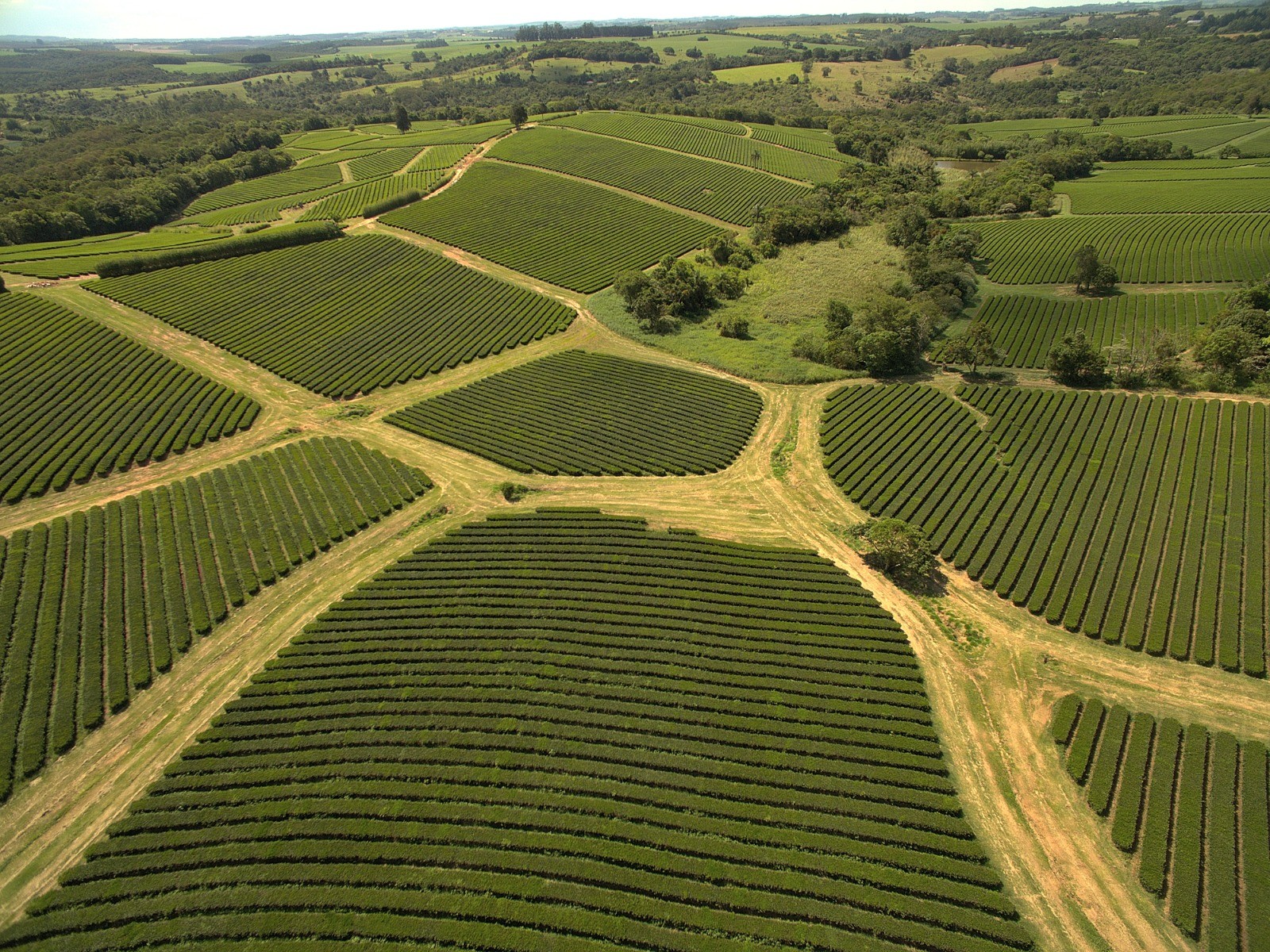
São Miguel Arcanjo, a city in São Paulo state, Brazil, has emerged as a significant center for Japanese green tea production. The city hosts the sole Brazilian factory of Yamamotoyama, a Japanese multinational with over 300 years of history. This facility produces approximately 300 tons of green tea annually, with about 80% of this output being exported, primarily to the United States. The location was chosen due to its ideal climate conditions, including a low risk of spring frosts and abundant rainfall exceeding 1,500 mm per year, essential for tea cultivation. Its logistical proximity to the Port of Santos and São Paulo city also played a crucial role in the decision. The factory cultivates tea using the Camellia sinensis plant across 104 hectares, spread over two farms. The harvest season lasts for eight months, from September to April, yielding up to ten harvests per season. Despite the Japanese origin of the tea-making techniques, the company finds greater market demand in the United States, as Japanese consumers tend to favor domestically produced teas. The global rise in popularity of matcha, a powdered green tea, has indirectly boosted the entire green tea industry, creating further export opportunities for producers like Yamamotoyama, even though they do not directly produce matcha. Tea sommelier Benício Coura notes a growing trend among younger consumers seeking healthier beverages, highlighting the sustained energy provided by tea's combination of caffeine and L-theanine. His company sources green tea from Yamamotoyama to create blended products, often combining it with fruits to appeal to a wider audience and gradually introduce consumers to the beverage's unique characteristics.
The establishment of a significant green tea production facility in São Miguel Arcanjo, Brazil, highlights the globalization of niche agricultural products and the strategic importance of climate and logistics in supply chain development. This venture demonstrates how Brazil can leverage its environmental advantages to become a key player in international markets traditionally dominated by Asian producers. The company's success hinges on adapting its production to meet the specific demands of export markets, particularly the United States, while navigating the complexities of consumer preferences in Japan. The growing demand for green tea, fueled by wellness trends and the popularity of matcha, presents a long-term growth opportunity. However, reliance on specific export markets introduces vulnerability to geopolitical shifts and trade policies. Future success will likely depend on diversifying market reach, investing in sustainable cultivation practices, and potentially exploring value-added products beyond basic tea leaves, all while considering the evolving landscape of global food systems in the coming decade.
AI-generated to prompt reflection — not editorial opinion, not advice, not a statement of fact. How this works.