Brazilian City Cracks Down on Dangerous Kite Lines After Fatal Accident
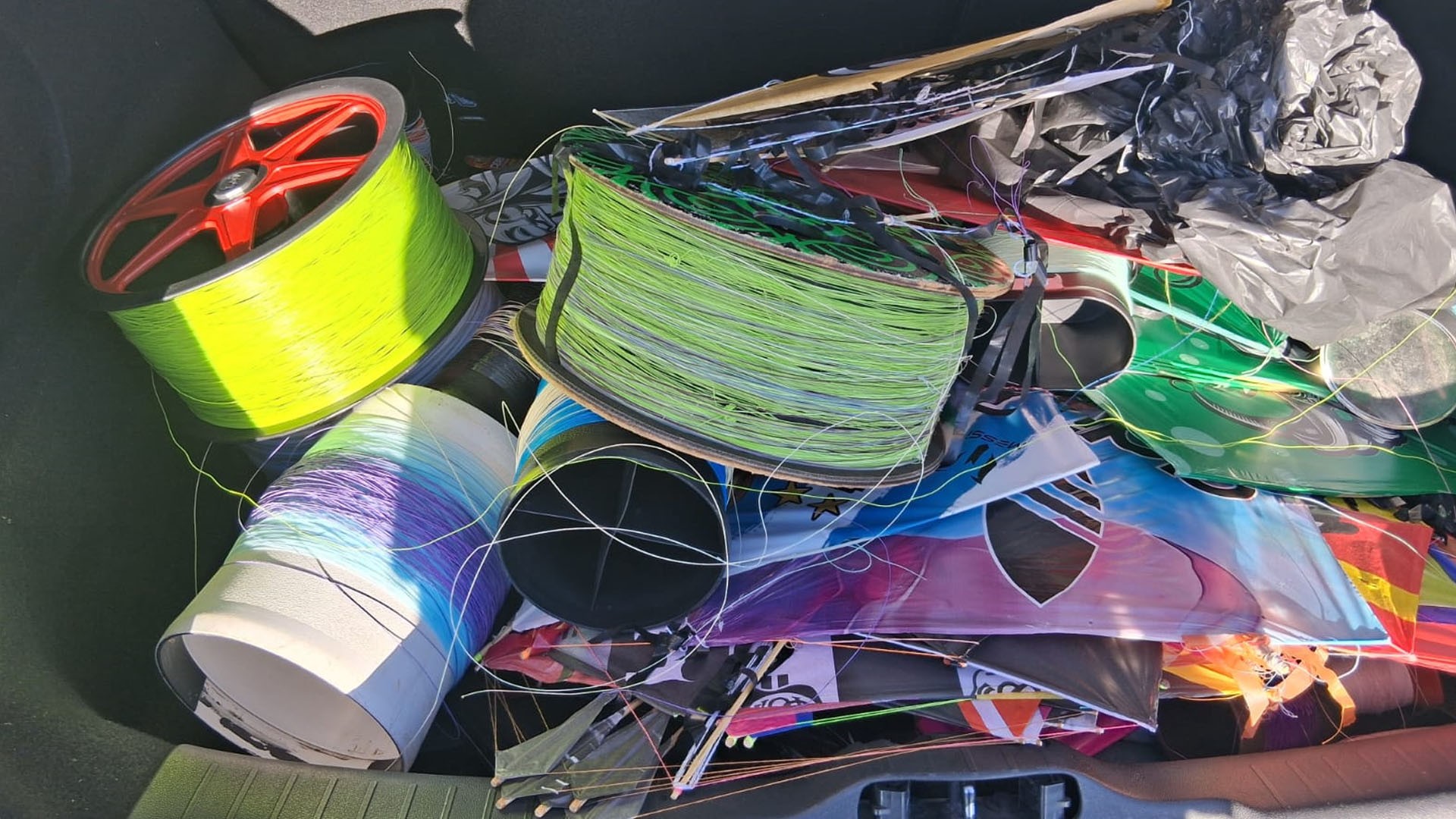
Municipal guards in São José do Rio Preto, Brazil, seized kites and spools of cutting lines during an operation on Saturday, July 18th. This action follows a recent surge in accidents involving 'cerol,' a mixture of glass powder and glue used on kite strings to make them sharp. Two days prior, municipal inspectors had already issued a notice to a store in the Santo Antônio neighborhood for illegally stocking these prohibited cutting lines. These enforcement efforts are part of an intensified campaign by the city during school holidays, a period when kite-flying activity increases, especially with stronger winds. The crackdown comes after several serious incidents in the region, including a 20-year-old motorcyclist in Rio Preto who sustained a deep neck laceration from a cerol-coated line on July 12th. Tragically, a similar incident in Santa Adélia resulted in the death of 49-year-old computer teacher Fábio José Colombo, who was fatally struck by a cerol line while riding his motorcycle. The police are investigating his death as a homicide. The GCM, in collaboration with the Military Police and the Municipal Secretariat of Economic Development, plans to maintain and reinforce these operations throughout July and August. To aid in prevention, the GCM advises motorcyclists to use 'antennas corta-pipa,' a device designed to sever kite lines before they cause harm. The use, possession, manufacture, and sale of cerol and similar cutting lines have been illegal in São Paulo state since 2019 due to the severe risks they pose to motorcyclists, cyclists, pedestrians, and animals.
The intensified enforcement against cerol-coated kite lines highlights a critical public safety challenge arising from the intersection of recreational activities and hazardous materials. While the prohibition of cerol since 2019 demonstrates legislative intent to mitigate risks, its continued presence and the tragic consequences underscore persistent issues in regulatory compliance and public awareness. The dual approach of seizures and public advisories, particularly the recommendation for anti-kite antennas on motorcycles, addresses immediate dangers. Looking ahead, the systemic challenge lies in preventing the production and distribution of such dangerous materials, which requires robust supply chain monitoring and potentially exploring technological solutions for detection or deterrence. The incidents also prompt reflection on the effectiveness of existing penalties and the need for sustained educational campaigns to alter cultural practices that may normalize or disregard the severe risks associated with cerol, especially among younger demographics during holiday periods.
AI-generated to prompt reflection — not editorial opinion, not advice, not a statement of fact. How this works.