Brazilian Civil Police Officers Accused of Extortion in Drug Stop
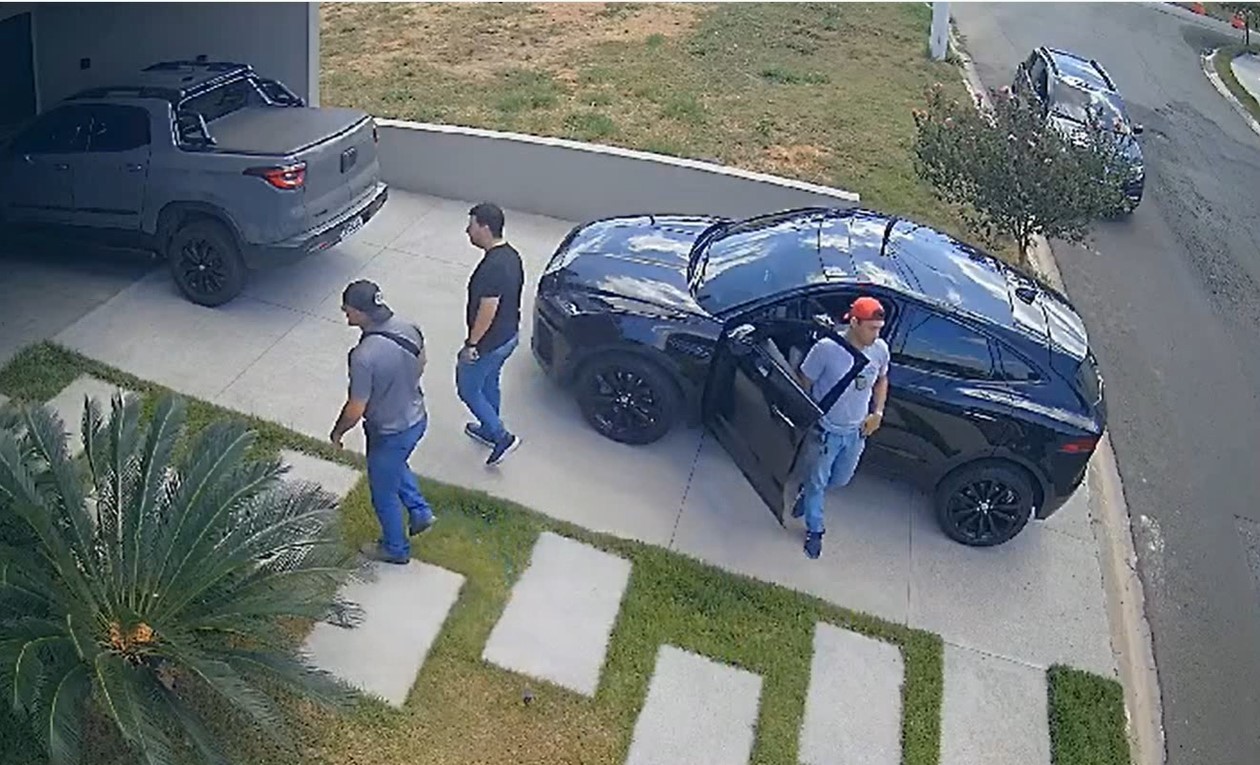
Civil police officers from Itu, São Paulo, have been charged by the Special Action Group to Combat Organized Crime (Gaeco) for extortion, abuse of authority, and criminal association. The alleged crimes occurred after the officers stopped a couple in a luxury car who were found with a small amount of hashish. According to the indictment filed in May, the officers are accused of demanding R$250,000 for the woman's release. The case also involves a military police officer, whose proceedings are handled by military justice. The indictment details that after the initial stop, the officers arrested the woman without apparent cause and illegally seized her vehicle. They also proceeded to the driver's parents' home, where more drugs were found. At the police station, the extortion allegedly began, with civil officers demanding R$250,000 for the release of the individuals and vehicles. A lawyer, Anderson Antônio Caetano, is also accused of conspiring with the officers, allegedly using a police computer to draft a fictitious contract to disguise the bribe money. The Gaeco claims the scheme was only thwarted when another civil police officer, engaged to the family's legitimate lawyer, noticed irregularities and alerted authorities, leading to the formal charging of only the driver for drug possession and the release of the woman. The case is under judicial secrecy in Indaiatuba due to a recusal request from Itu judges, indicating potential bias concerns.
This case highlights potential systemic vulnerabilities within law enforcement where the power to detain and investigate can be allegedly weaponized for personal financial gain. The alleged actions, if proven, suggest a breakdown in oversight and ethical conduct, potentially exploiting the legal process for illicit purposes. The involvement of a lawyer in drafting a fictitious contract points to a sophisticated attempt to legitimize a bribe, underscoring the need for robust internal affairs investigations and external accountability mechanisms. The subsequent judicial secrecy and recusal requests suggest complexities in ensuring impartiality and due process, raising questions about the integrity of the initial investigation and subsequent proceedings. Moving forward, strengthening whistleblower protections and ensuring transparent, independent oversight of police conduct will be crucial to rebuilding public trust and preventing future abuses of power in the digital age.
AI-generated to prompt reflection — not editorial opinion, not advice, not a statement of fact. How this works.