Brazilian Communist Party Names Edmilson Costa and Cleusa Santos for President and Vice President
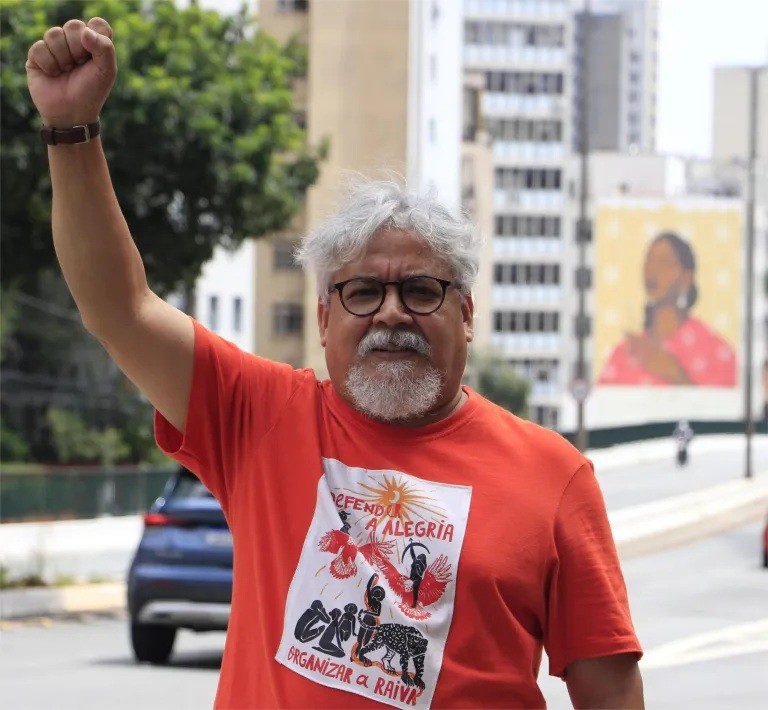
The Brazilian Communist Party (PCB) officially announced its candidates for the 2026 presidential elections on Saturday, October 1st. Edmilson Costa will run for President, with Cleusa Santos as his Vice Presidential candidate. The confirmation took place during the party's national convention, held at the São Paulo Municipal Chamber. Edmilson Costa, a doctor in Economics from Unicamp with a postdoctoral degree from the same institution, presented the party's platform. Key proposals include the nationalization of the financial system through a Workers' Bank, suspension of public debt payments, re-nationalization of companies, and increased state control over foreign exchange, foreign trade, and the tax system. The PCB also advocates for institutional reforms, such as abolishing the Federal Senate and adopting a unicameral legislative system. This convention is part of the ongoing electoral calendar, with parties formalizing candidacies and alliances. The deadline for registering candidates with the Electoral Justice is August 15th. With this official nomination, Costa and Santos will represent the PCB in the upcoming presidential race.
The Brazilian Communist Party's nomination of Edmilson Costa and Cleusa Santos, along with their platform advocating for significant state intervention in the economy and political restructuring, presents a clear ideological stance. This approach challenges prevailing neoliberal economic models and existing governmental structures. The proposals for nationalization, debt suspension, and a unicameral legislature signal a desire for systemic change, potentially appealing to segments of the electorate dissatisfied with current conditions. However, such a platform faces considerable hurdles within the existing political and economic framework, raising questions about its feasibility and potential impact on market dynamics and international relations in the medium term. The party's strategy appears to be rooted in a long-term vision of transforming Brazil's socio-economic landscape, leveraging its platform to articulate an alternative to mainstream political discourse.
AI-generated to prompt reflection — not editorial opinion, not advice, not a statement of fact. How this works.