Brazilian Communist Party Names Túlio Lopes as Gubernatorial Candidate for Minas Gerais
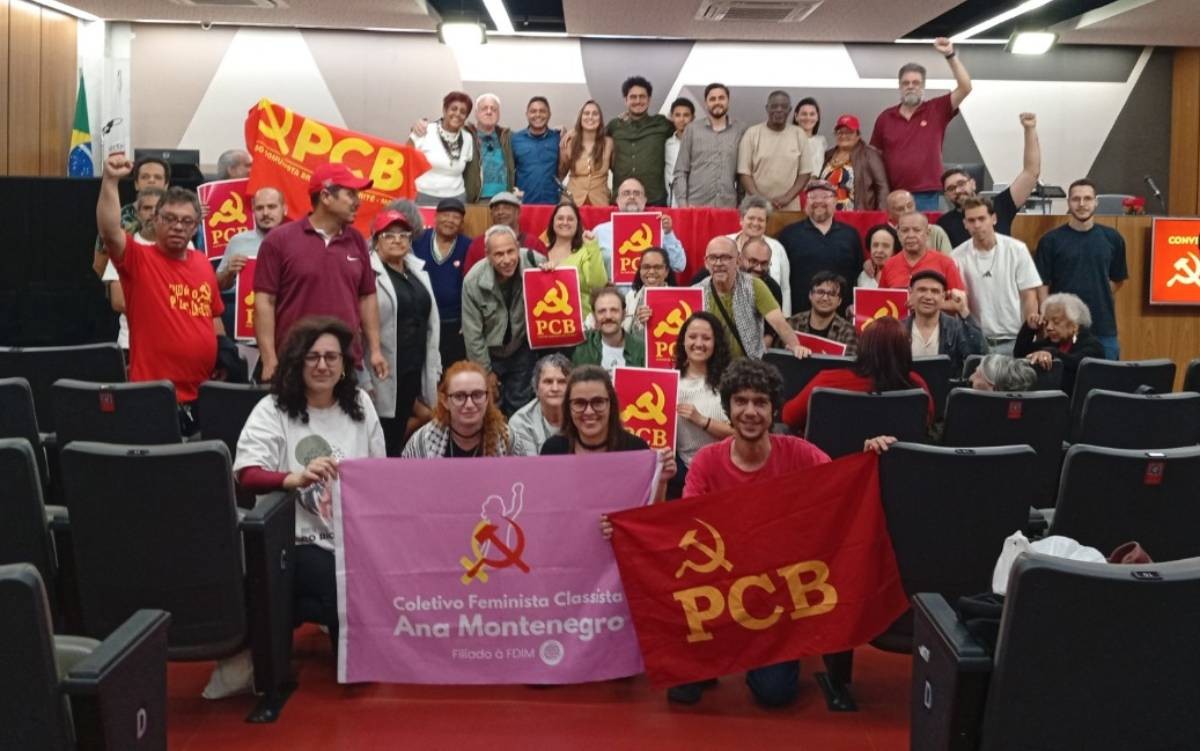
The Brazilian Communist Party (PCB) has officially nominated Túlio Lopes as its candidate for governor of Minas Gerais. This decision was finalized during the party's convention held on Saturday, July 25th, at the Legislative Assembly of Minas Gerais in Belo Horizonte. Túlio Lopes, 44, is a professor at the State University of Minas Gerais (UEMG) and a former president of the UEMG Teachers' Association (Aduemg). He currently serves as the PCB's political secretary in Minas Gerais and is a member of the party's Central Committee.
This marks Lopes' second attempt at the governorship, having previously run in 2014, and he also vied for a Senate seat in 2018. The convention also confirmed Warlen Nunes as the vice-gubernatorial candidate and selected three individuals to run for state deputy positions. The PCB will not be fielding candidates for the Senate in this election cycle. Lopes, a native of Belo Horizonte and a PCB member since 1999, holds degrees in History and Education, including a doctorate. His political and union background includes involvement in student movements and public servant organizations.
The PCB's nomination of Túlio Lopes for governor reflects a strategic decision to present a candidate with a strong academic and union background, aiming to connect with voters on issues of education and public service. The party's stated objective of pursuing social revolution and human emancipation positions its campaign within a broader ideological framework, distinct from mainstream political platforms. This approach, while appealing to its base, may present challenges in gaining broader electoral traction in a competitive political landscape. The party's focus on state-level contests, while foregoing a Senate bid, suggests a prioritization of regional influence and a long-term strategy for building political capital. The emphasis on 'struggle' and a 'belonging future' signals a commitment to persistent activism, regardless of immediate electoral outcomes, highlighting a systemic tension between revolutionary ideals and the pragmatic demands of electoral politics.
AI-generated to prompt reflection — not editorial opinion, not advice, not a statement of fact. How this works.