Brazilian Communist Party Selects Eudo Raffael as Gubernatorial Candidate for Acre
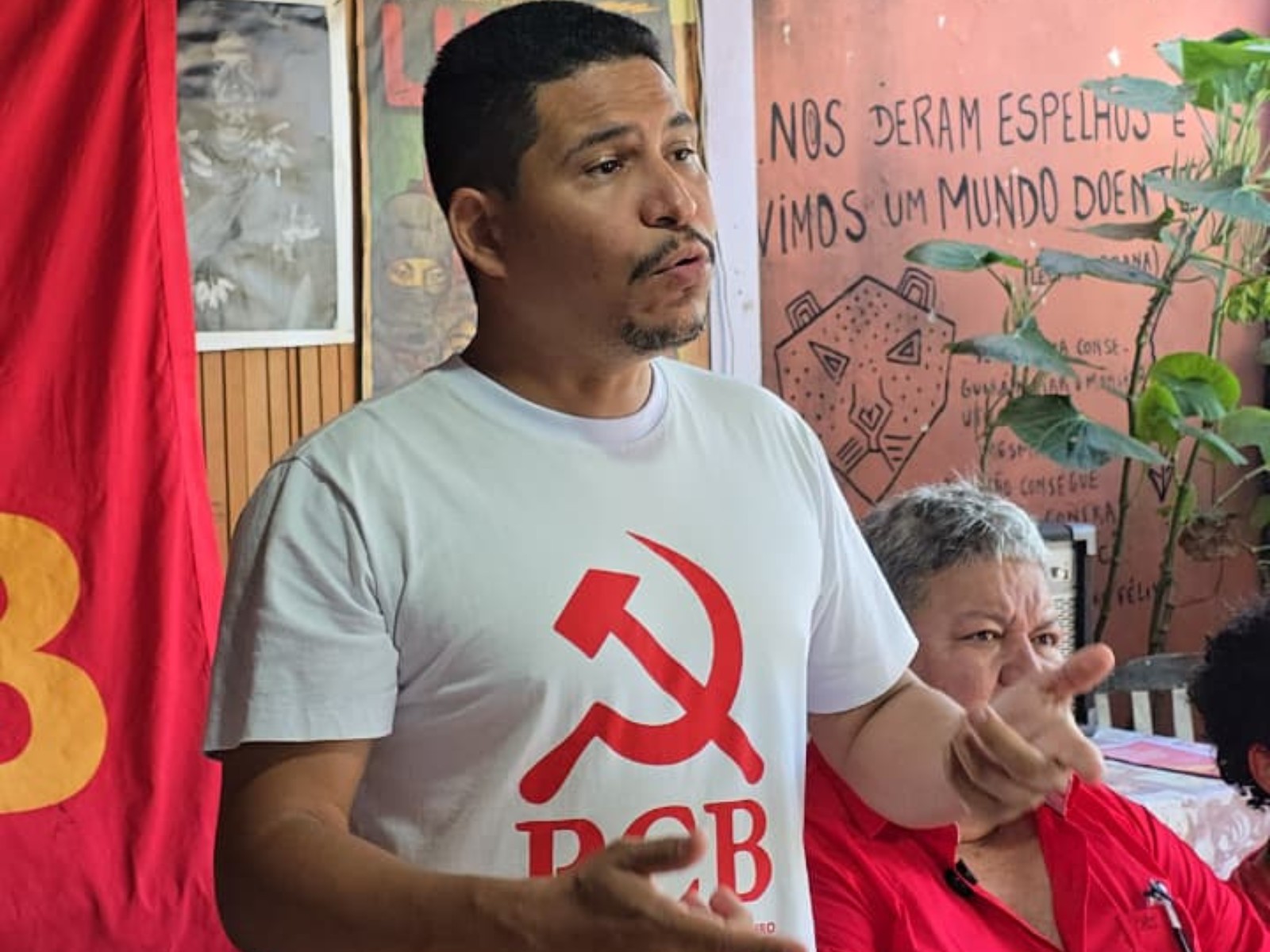
The Brazilian Communist Party (PCB) has officially nominated Eudo Raffael as its candidate for governor of Acre. This decision was formalized during a convention held on Saturday, August 1st, in Rio Branco. Raffael, who currently serves as the president of the Union of Bank Employees of Acre (Seeb-AC), will be entering public electoral politics for the first time. The PCB's ticket will also support Inácio Moreira (PSOL) for the Senate, who was present at the PCB convention. Additionally, Cesar Maia was approved as the vice-gubernatorial candidate. Raffael expressed optimism about the alliance, stating it will bring a new societal perspective to Acre, fostering development in culture, politics, and the economy. Raffael's political background includes leadership in the student movement, having previously chaired the Central Student Directory (DCE) at the Federal University of Acre (Ufac). He has also been active in local protests, such as those advocating for the end of the 6x1 work shift. The PCB plans to form coalitions for the upcoming elections, with candidate conventions concluding by August 5th and registrations due with the Superior Electoral Court (TSE) by August 15th. The general election campaign will commence on August 16th, with voting scheduled for October 4th.
The Brazilian Communist Party's nomination of Eudo Raffael, a union leader, for governor of Acre reflects a strategy to leverage grassroots support and labor activism in regional elections. This move signals a potential shift in political alliances and priorities, aiming to mobilize voters around issues of economic development and worker dignity. The broader electoral landscape in Acre, with two Senate seats contested and various other positions, presents an opportunity for smaller parties like the PCB and PSOL to influence policy debates and potentially gain representation. The success of such candidacies will depend on their ability to connect with diverse voter segments and articulate a compelling vision beyond traditional party platforms, particularly in the context of evolving economic and social challenges over the next decade.
AI-generated to prompt reflection — not editorial opinion, not advice, not a statement of fact. How this works.