Brazilian Companies Expand IT Support Beyond Traditional Business Hours
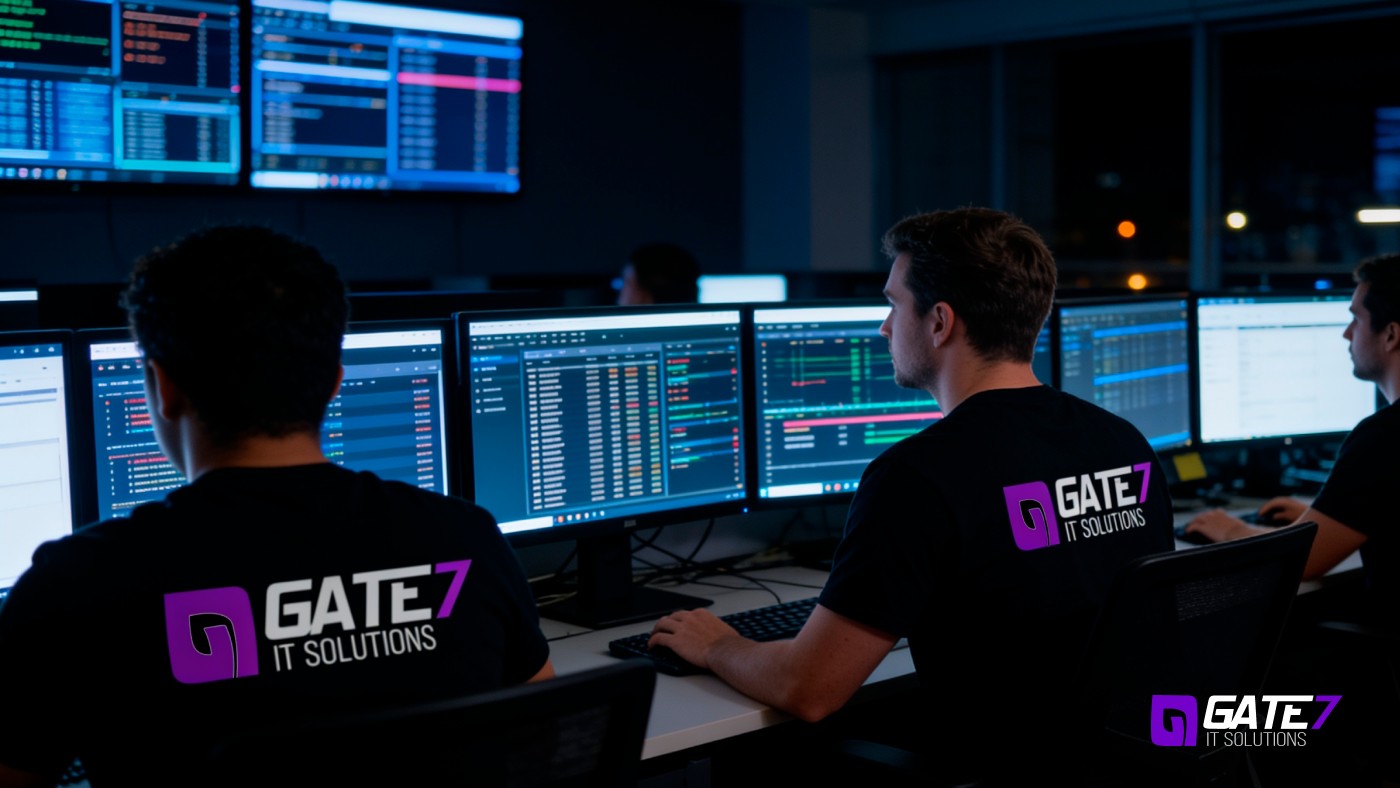
Brazilian companies are increasingly extending their IT support operations beyond traditional business hours to accommodate a 24/7 digital landscape. With the rise of e-commerce, customer service apps, financial systems, and logistics operating around the clock, critical system failures outside of standard working times pose significant risks. To address this, businesses of all sizes are structuring technical support to function continuously, employing dedicated teams or external partners capable of identifying and responding to incidents at any hour. This shift is driven by the reality that many business processes rely on digital infrastructure that never shuts down, meaning failures can have a substantial impact, especially if response times are delayed. Experts highlight this gap between continuous system operation and traditional support availability as a key vulnerability for growing companies. To manage this, many are adopting Network Operations Centers (NOCs) for uninterrupted monitoring of servers, networks, and critical systems, aiming to identify and resolve anomalies before they escalate into major failures. This proactive approach, known as continuous support, contrasts with older reactive models where support was only triggered after a user reported a problem. Sectors like e-commerce, finance, automated manufacturing, and distributed logistics are leading this adoption, alongside professional services firms serving global clients or operating during alternative hours. Building an in-house 24/7 support team presents cost and management challenges, particularly for small and medium-sized businesses, leading to a growing trend of outsourcing to specialized partners. Companies like Gate7 IT Solutions offer 24-hour technical support and infrastructure monitoring with certified teams, enabling clients to access continuous response capabilities without the overhead of maintaining their own round-the-clock staff. Service Level Agreements (SLAs) are also becoming crucial for defining response and resolution times, providing predictability for these extended support partnerships. The future outlook suggests that continuous IT support will become a standard practice, moving from a corporate differentiator to an accessible necessity for medium-sized businesses as outsourcing models become more flexible and cost-effective.
The evolving operational demands of the digital economy necessitate a paradigm shift in IT support, moving from traditional, time-bound models to continuous, proactive monitoring. As businesses increasingly rely on 24/7 system availability for core functions like e-commerce and financial transactions, the economic impact of downtime outside business hours can be severe. This trend highlights a systemic tension between the fixed cost of internal round-the-clock staffing and the variable, yet potentially catastrophic, risk of system failure. The rise of specialized third-party support providers and NOCs offers a scalable solution, leveraging economies of scale and expertise to manage this risk more efficiently. Looking ahead, the integration of AI-driven predictive maintenance and automated incident response will likely further reduce the reliance on human intervention for routine issues, allowing human teams to focus on complex problems and strategic system resilience. Companies that fail to adapt their IT support structures to this continuous operational reality risk falling behind competitors and facing significant financial and reputational damage in an increasingly interconnected and always-on global market.
AI-generated to prompt reflection — not editorial opinion, not advice, not a statement of fact. How this works.