Brazilian Congress Activity to Slow Ahead of Elections, Key Votes Postponed
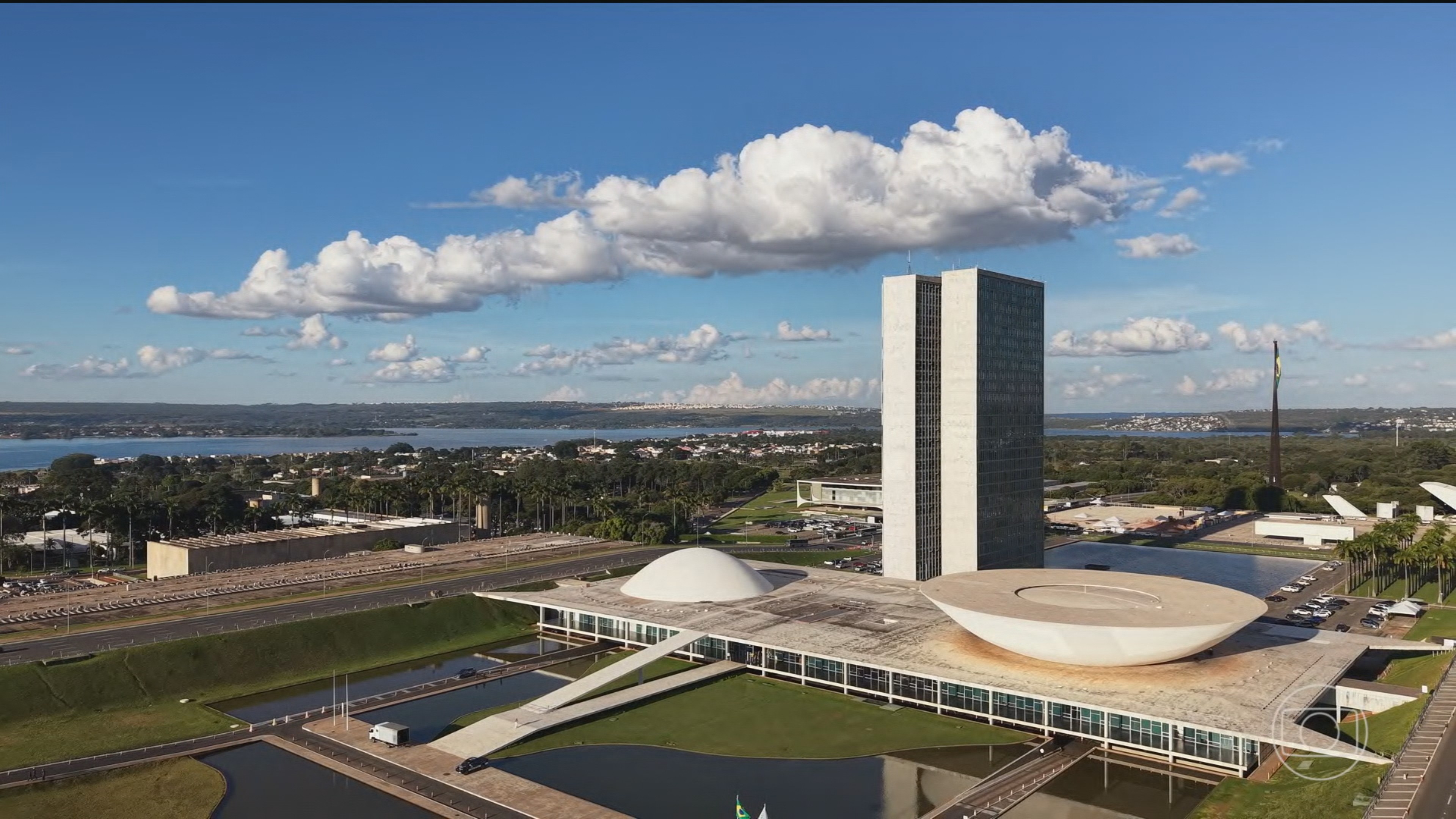
Brazil's National Congress is expected to significantly reduce its legislative activity in the coming months due to the upcoming October elections. The parliamentary recess, scheduled from July 18-31, will proceed informally as the budget guidelines law was not voted on. Following this, party conventions from July 20 to August 5 will select candidates, and the deadline for registering candidacies with the Superior Electoral Court (TSE) is August 15. Electoral campaigning will officially begin on August 16, with radio and TV advertisements starting August 28 and running until October 1. Political analysts note that during election years, parliamentarians shift their focus from legislative agendas to campaign activities, making it difficult to form quorums and hold important debates. Samuel Oliveira, a political science expert, explains that electoral calendars change the "center of gravity" for lawmakers, who begin viewing legislative votes through the lens of electoral advantage. Murilo Medeiros, a political scientist from the University of Brasília, adds that leaders avoid contentious issues that could cause political damage during the campaign, favoring consensus-driven projects with broad public appeal. Consequently, several priority issues, including constitutional amendments on work scales (6x1), public safety, and criminal justice reform, as well as legislation on rare earth exploitation, gender equality, and financial regulations, are likely to be postponed until after the elections.
The upcoming electoral cycle in Brazil presents a predictable challenge to legislative productivity, as political actors naturally prioritize campaign objectives over policy-making. This dynamic highlights a systemic tension between the demands of democratic representation and the governance needs of a nation. The postponement of significant legislative proposals, particularly those with potential for public controversy or requiring broad consensus, suggests a strategic approach to managing electoral risk. This strategy, while rational from an individual campaign perspective, can lead to governance delays and a backlog of critical issues. The analysis of these postponements through the lens of incentive structures reveals how electoral pressures can shape legislative calendars, potentially prioritizing short-term political calculus over long-term policy development and societal needs.
AI-generated to prompt reflection — not editorial opinion, not advice, not a statement of fact. How this works.