Brazilian Congress Allocates Less Than 1% of Funds to Children and Adolescents Over Three Years
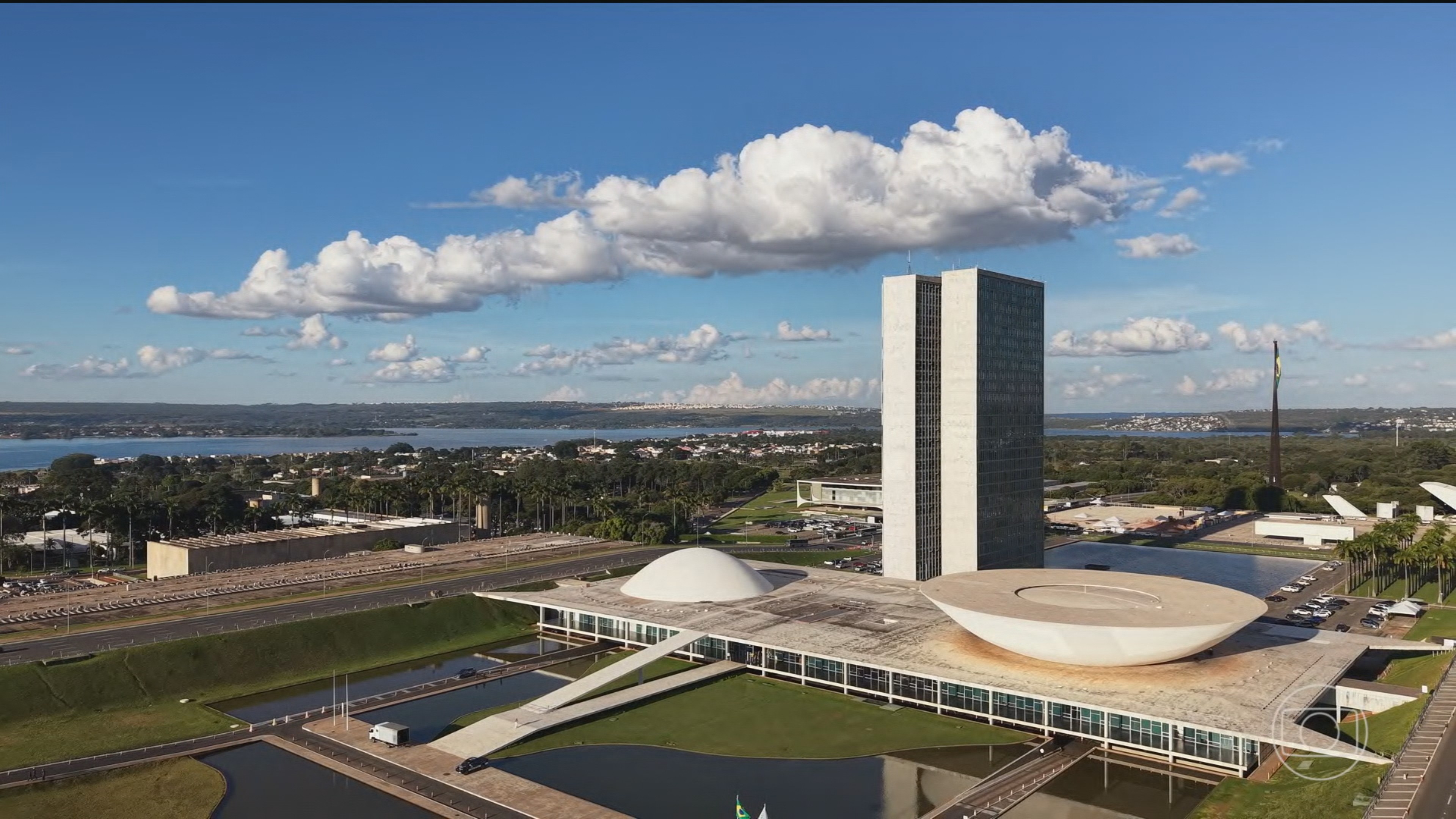
Over the past three years, Brazil's Congress has allocated less than 1% of its parliamentary amendments to initiatives benefiting children and adolescents. In 2026, only R$ 208.84 million, representing 0.4% of the total R$ 51.5 billion in planned amendments, was designated for this demographic. The previous year, this figure stood at 0.91% (R$ 465.15 million), and in 2024, it was 0.76% (R$ 412.79 million). This analysis, conducted by the Institute for Socioeconomic Studies (Inesc) using data from the Federal Senate's budget portal, Siga Brasil, reveals a significant disparity. Out of 41 budget actions specifically targeting children and adolescents, only 11 received parliamentary amendments between 2024 and 2026. The majority of these funds were directed towards basic education, yet the amounts remain critically low. For instance, one basic education plan initiative received a total of R$ 34.85 million over three years, an amount less than what a single federal deputy receives annually. Furthermore, the regional distribution of these funds does not align with social vulnerability indicators. The North and Northeast regions, which face the highest rates of child labor and youth homicides, received the least funding. In 2026, the Southeast received R$ 6.4 million, followed by the South (R$ 1.08 million), North (R$ 1.03 million), Center-West (R$ 928.8 thousand), and Northeast (R$ 412.8 thousand). With children and adolescents comprising over 26% of Brazil's population, Inesc's policy advisor, Thalita de Oliveira, highlighted the disconnect between public discourse on child welfare and the actual allocation of resources, urging parliamentarians to prioritize vulnerable groups and address pressing issues when directing funds.
The data reveals a systemic underfunding of initiatives for children and adolescents in Brazil, despite their significant demographic representation. The allocation of parliamentary amendments, a key mechanism for directing public funds, appears misaligned with stated policy priorities and the documented needs of vulnerable regions. This suggests a potential disconnect between political rhetoric and fiscal action, where broader, less specific budget items may receive disproportionately higher funding. Future policy considerations should examine the efficacy of current amendment allocation processes and explore mechanisms to ensure that funds are directed towards demonstrably impactful programs for youth, particularly in high-need areas. The long-term societal implications of neglecting this demographic's development and protection warrant a strategic re-evaluation of budgetary priorities.
AI-generated to prompt reflection — not editorial opinion, not advice, not a statement of fact. How this works.