Brazilian Congress Cancels Session, No Major Votes Until After Elections
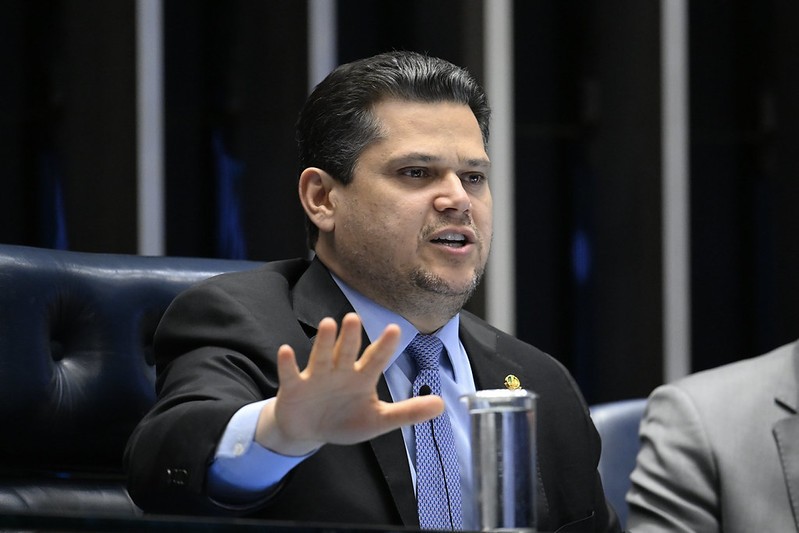
A scheduled session of the Brazilian National Congress, intended to vote on presidential vetoes, has been canceled due to a lack of agreement. Senate President Davi Alcolumbre (União-AP) announced the cancellation, stating that no significant legislation will be passed until the mid-year recess, which begins next week, and likely extending through the upcoming elections. This legislative standstill is attributed to a breakdown in relations between President Lula and Senate President Alcolumbre, which began in late April after the rejection of Jorge Messias for a Supreme Court position. Despite attempts to mend the relationship, a meeting between the two leaders has not yet occurred. PT's new Senate leader, Camilo Santana (CE), has pledged to facilitate a meeting in July to improve their relationship, but this will not allow time for further significant votes. The Congress is expected to have minimal activity in the final week before the recess. One area of potential progress is a nearly finalized agreement between the rural caucus and the Ministry of Finance to refinance rural producers' debts. The government plans to issue a provisional measure offering a ten-year refinancing period with a two-year grace period and 6% interest for producers impacted by extreme weather events. Other producers will have shorter refinancing terms and 9% interest rates.
The legislative impasse highlights the critical role of executive-legislative relations in governmental functionality, particularly in Brazil's complex political system. The inability to convene and vote on key legislation, such as presidential vetoes and priority bills like the Public Security PEC and rare earth exploration regulation, demonstrates how personal or political rifts can impede national policy-making. The upcoming elections further exacerbate this situation, creating a de facto pause in substantive legislative action. This dynamic underscores a systemic challenge where political maneuvering and interpersonal conflicts can override pressing national needs, potentially leading to policy stagnation. The focus on refinancing rural debt, while a specific economic measure, also illustrates how certain interests can continue to advance even amidst broader governmental paralysis, suggesting a need for more robust and resilient legislative processes less susceptible to individual political disputes.
AI-generated to prompt reflection — not editorial opinion, not advice, not a statement of fact. How this works.