Brazilian Congress Recesses with Key Legislation Unresolved
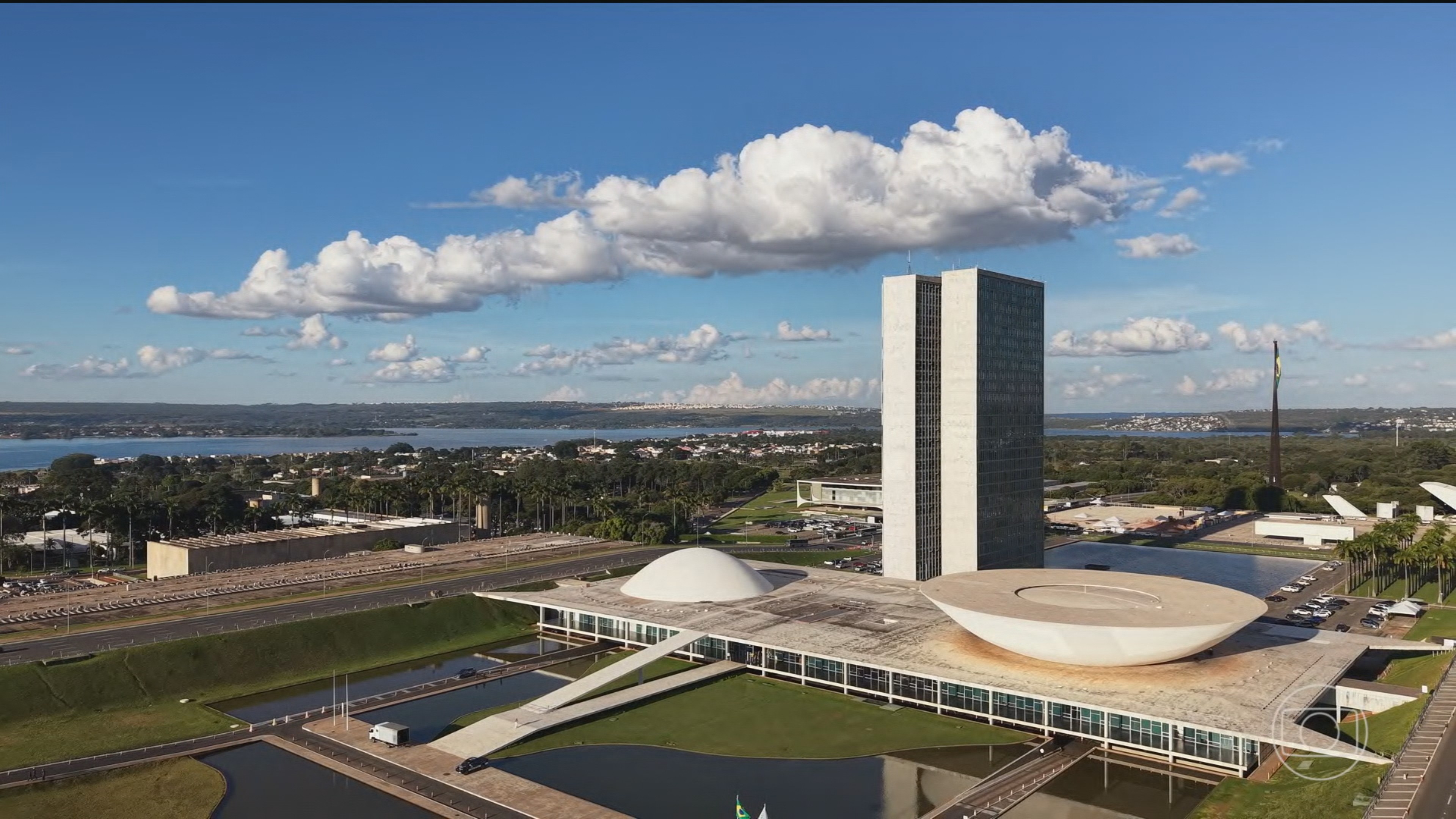
Brazilian lawmakers are entering their final week of work before the parliamentary recess, with several priority bills still awaiting analysis by the full chambers of both the Chamber of Deputies and the Senate. Deputies and senators will work until July 17 and return on August 1, though the upcoming elections are expected to significantly reduce attendance until early October. The Chamber of Deputies has scheduled in-person sessions only from August 10-14 and August 31-September 3, with other periods free for campaigning. Among the stalled proposals in the Chamber is a bill to equate misogyny with racism, which faces opposition from religious lawmakers concerned about potential misinterpretations and the law's imprescriptibility. President Arthur Lira has adopted a moderate tone regarding upcoming votes, signaling that controversial issues are unlikely to be addressed before the recess. Another pending item is the update to the annual revenue limit for Individual Microentrepreneurs (MEIs), which is also expected to be postponed. This proposal, originating from the Senate, initially proposed increasing the MEI ceiling from R$81,000 to R$130,000, but the Chamber expanded it to R$144,900 and included adjustments for other simplified tax regime categories, a point of contention for the government's economic team. The renegotiation of rural debts for farmers affected by climate events is also unlikely to be approved before the recess, with the government favoring a provisional measure over a Senate-passed bill deemed a "time bomb" by the executive branch. Discussions continue regarding debt limits, interest rates, and eligibility for renegotiation. The legal framework for Artificial Intelligence, initially a priority, has also stalled and is not expected to be voted on before the recess. In the Senate, key government initiatives such as the constitutional amendment to end the 6x1 work schedule and reduce weekly hours to 40, and the Security PEC, remain stalled due to a political crisis between Senate President Davi Alcolumbre and President Luiz Inácio Lula da Silva. The 6x1 amendment, which passed the Chamber quickly, has not yet been dispatched to the Constitution and Justice Committee in the Senate. The same applies to the Security PEC. Allies of President Lula are attempting to mend the relationship to unblock these legislative matters, with assurances that progress will only occur after a personal meeting between the two presidents. Other stalled Senate bills include one creating a National Policy for Critical and Strategic Minerals and the Special Taxation Regime for Datacenter Services (Redata), which aims to provide tax incentives for data centers, including those supporting AI. The government's floor leader in the Senate, Teresa Leitão, and the party's leader, Camilo Santana, are working to de-escalate tensions and facilitate the advancement of these stalled legislative priorities.
The legislative gridlock in Brazil's Congress highlights a common tension between the urgency of policy reform and the political realities of electoral cycles and inter-branch power dynamics. The delay in addressing critical issues like misogyny, MEI reform, rural debt, and AI regulation suggests that partisan interests and potential electoral repercussions are outweighing immediate public policy needs. The political friction between the Senate President and the Executive branch, particularly concerning judicial appointments, has created a bottleneck for key government initiatives, demonstrating how personal and institutional disputes can impede legislative progress. Moving forward, a more robust framework for legislative prioritization that is less susceptible to political maneuvering and electoral pressures could enhance governance efficiency. Furthermore, fostering clearer communication channels and dispute resolution mechanisms between the executive and legislative branches, especially when sensitive or controversial topics are involved, is crucial for timely and effective policymaking in Brazil.
AI-generated to prompt reflection — not editorial opinion, not advice, not a statement of fact. How this works.