Brazilian Congress Returns August 10th Amidst Election Focus and Legislative Priorities
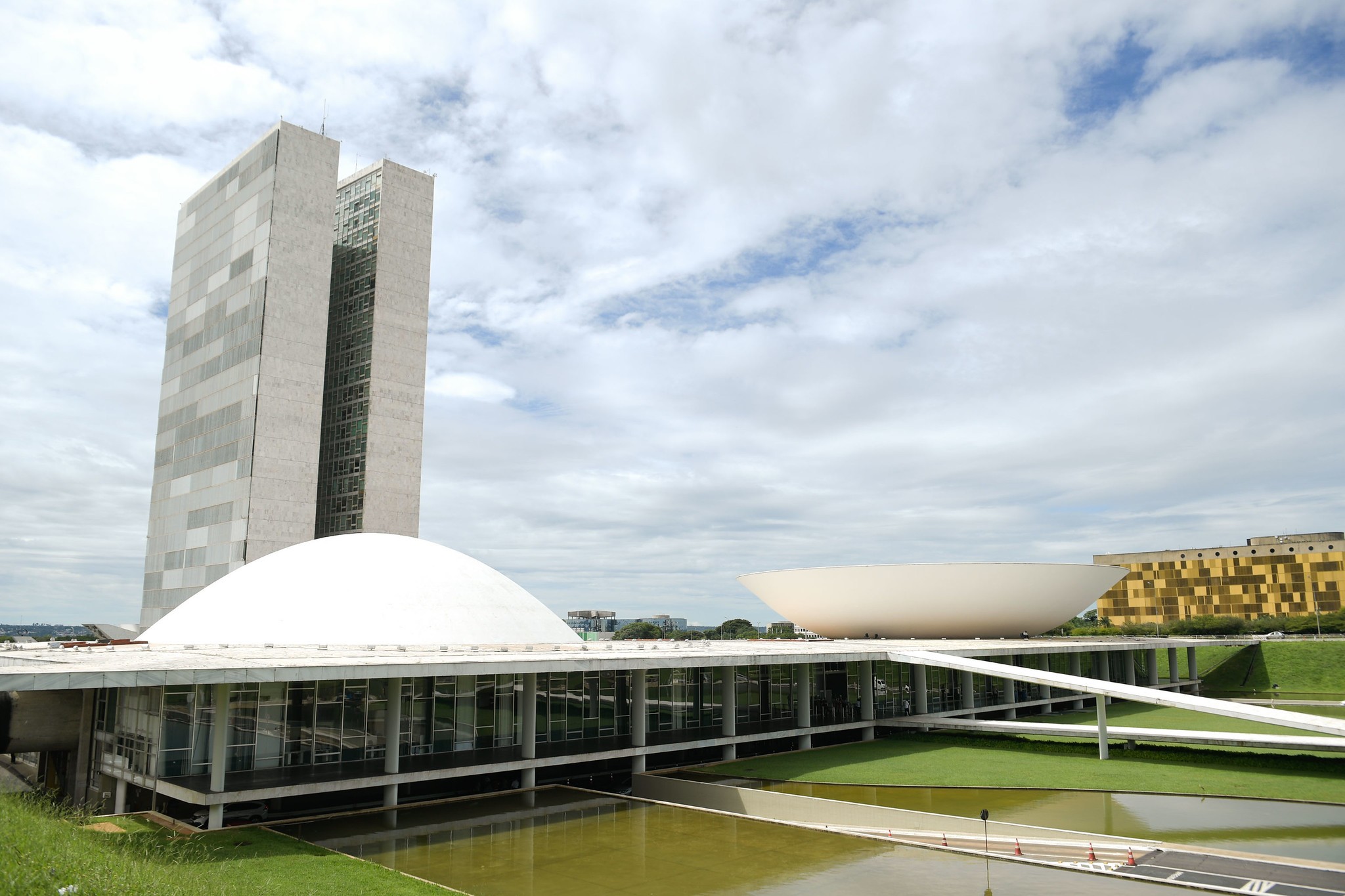
Brazil's National Congress has concluded its parliamentary recess on August 1st, but deputies and senators will not resume their official duties in Brasília until August 10th. This return marks the beginning of a concentrated legislative effort aimed at approving key bills before the October elections. Given the electoral cycle, the Congress is expected to be largely inactive, with most parliamentarians campaigning in their home districts. Party conventions, which finalize candidate selections and alliances, are also concluding soon. Consequently, the legislative calendar is sparse, with only two weeks scheduled for sessions in both the Chamber of Deputies and the Senate: August 10th to 14th and August 31st to September 3rd. During the election period, sessions will focus on non-controversial matters, with efforts to pass remaining legislation from the first half of the year. Notable proposals include a bill to criminalize misogyny, which faces resistance from right-wing lawmakers concerned about potential impacts on religious texts, and a proposal to increase the annual revenue limit for individual micro-entrepreneurs (MEI), pending economic impact studies. The Senate will mirror the Chamber's recess, with only the Human Rights Committee and the Foreign Relations Committee holding sessions for public hearings on topics like breastfeeding awareness, the Roma Holocaust, and the Mercosur-EU trade agreement. The government is also pushing for the approval of a constitutional amendment (PEC) to end the 6x1 work shift model, a priority for President Lula's administration, which is currently stalled in the Senate pending President Davi Alcolumbre's decision on its referral to committees. Another PEC related to security is also awaiting Alcolumbre's dispatch.
The scheduling of legislative sessions in Brazil's Congress, particularly around election periods, reflects a systemic tension between electoral campaigning and governance responsibilities. The concentrated legislative efforts in limited windows suggest a strategic prioritization of certain bills, potentially influenced by political expediency and the need to address government priorities before the electoral cycle intensifies. The delays in advancing significant proposals, such as the 6x1 work shift PEC, highlight the influence of institutional procedures and inter-branch political dynamics on legislative outcomes. The focus on non-controversial items during election periods is a common political strategy to avoid alienating voter bases, but it raises questions about the capacity of the legislative body to address complex societal issues effectively when electoral considerations dominate the political landscape over the next decade.
AI-generated to prompt reflection — not editorial opinion, not advice, not a statement of fact. How this works.