Brazilian Congresswoman Files Complaint Over Remarks Attacking Women's Vote
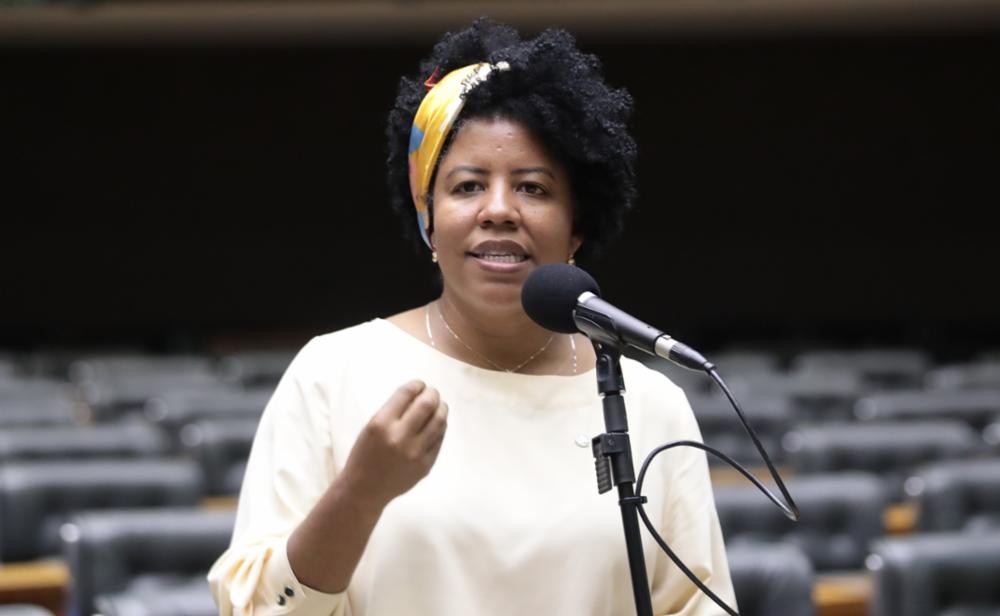
Jack Rocha, the coordinator of the women's caucus in the Brazilian Chamber of Deputies, has filed a complaint with the Prosecutor-General's Office (PGR). The complaint seeks an investigation into statements and a pamphlet that Rocha alleges attack universal suffrage and women's participation in elections. Specifically, the complaint targets a declaration by businessman Paulo Figueiredo, an ally of Flávio Bolsonaro, who reportedly stated that women "vote poorly." While the PL presidential pre-candidate has disavowed Figueiredo's remarks, Rocha also requests an analysis of a pamphlet from the Missão Party. This pamphlet, according to the congresswoman, criticizes universal suffrage and suggests a "family vote" system. Rocha argues that these contents encourage the erosion of women's political autonomy and promote patriarchal tutelage over female voters. She highlighted that women constitute approximately 52% of Brazil's electorate, over 81 million voters, making these statements a direct attack on the largest voting bloc. The congresswoman contends that implying the female vote is inferior or subordinate to the male vote creates an environment of symbolic intimidation, hostility, and delegitimization of women's electoral participation. The representation suggests these actions could constitute discriminatory propaganda, gender-based political violence, and a violation of parties' constitutional duties. Rocha is requesting the immediate opening of a procedure with the Electoral Prosecutor's Office and the referral of the case to the Working Group on Prevention and Combatting Gender-Based Political Violence. Requested measures include preserving digital content for analysis, seeking clarification from the Missão Party, and notifying the Superior Electoral Court (TSE) to reinforce institutional campaigns valuing women's political participation. The parliamentarian also seeks electoral justice intervention against irregular and discriminatory propaganda within an electoral context.
This situation highlights a potential conflict between freedom of expression and the protection of democratic participation, particularly for marginalized groups. The complaint raises questions about the boundaries of political discourse and the responsibility of political actors and parties to uphold principles of equality and non-discrimination. Examining the incentive structures that might lead to such rhetoric, especially in the context of electoral campaigns, is crucial. It also underscores the importance of robust electoral oversight mechanisms to address potentially harmful propaganda and ensure a level playing field for all voters. Looking ahead, as digital platforms amplify such messages, the challenge will be to balance free speech with the need to safeguard the integrity of the democratic process and prevent the systemic disempowerment of significant voter segments.
AI-generated to prompt reflection — not editorial opinion, not advice, not a statement of fact. How this works.