Brazilian Congresswomen Urge Vote on Misogyny Criminalization Bill Before Recess
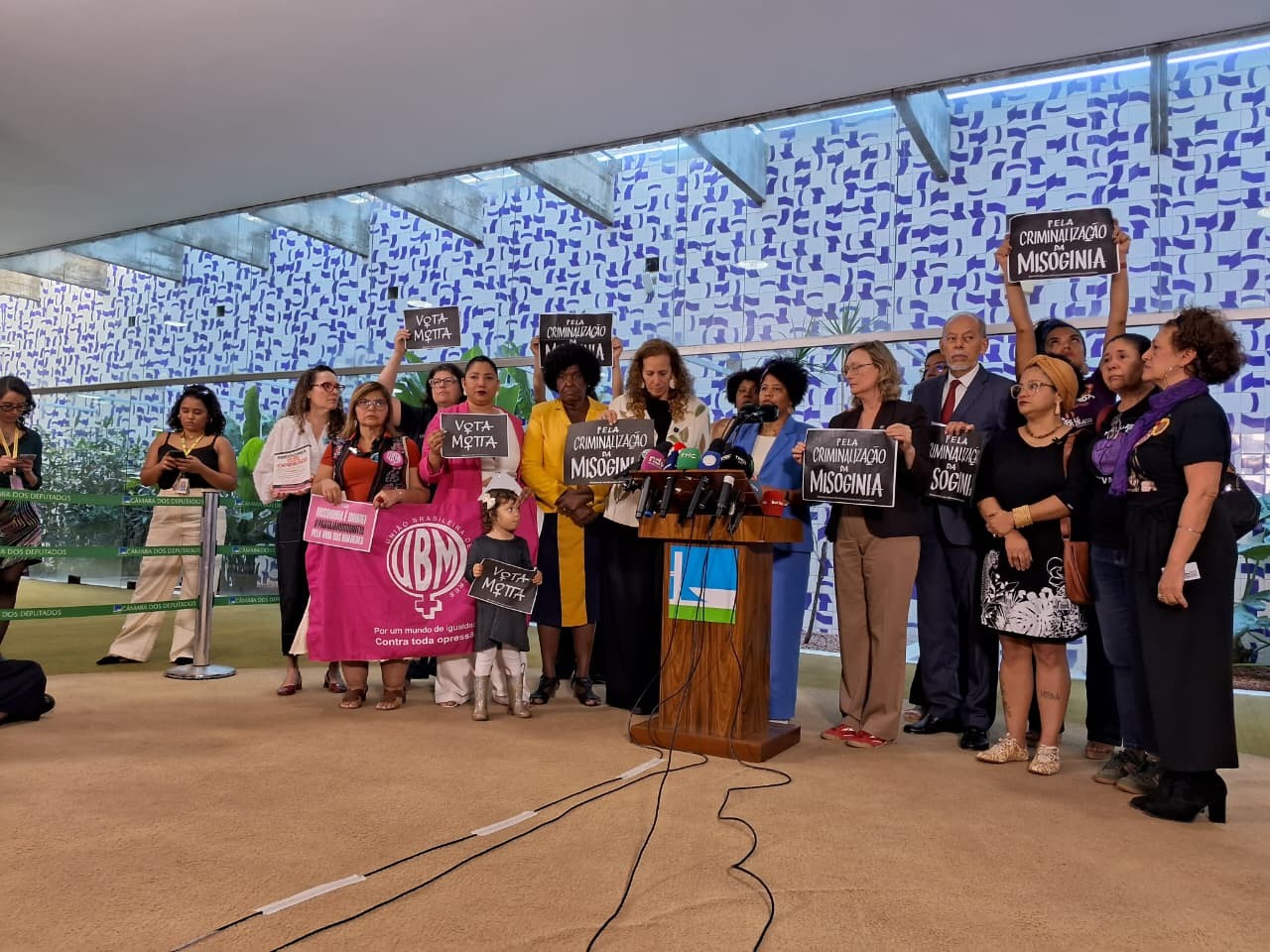
Female lawmakers in Brazil's Chamber of Deputies are urgently pressing for a vote on a bill that would equate misogyny to the crime of racism before the parliamentary recess begins on Saturday, June 18th. The bill, which has already had its urgency approved, aims to criminalize acts of misogyny, defined as the practice, induction, or incitement of contempt or discrimination against women that promotes violence, denies their equal rights, or offends their dignity due to their gender. This proposal has already passed the Senate and was being discussed in a Chamber working group. The bill seeks to amend the Anti-Racism Law, imposing penalties of 2 to 5 years imprisonment for insult based on a woman's condition, mirroring the penalty for racial insult. Penalties could increase if committed by multiple individuals. The legislation also proposes temporary suspension of social media accounts used to commit the offense. Despite commitments from Chamber President Arthur Lira to vote on the proposal, religious deputies have voiced opposition, fearing misinterpretations and the potential criminalization of biblical texts. This resistance has led to the bill being removed from the week's agenda. Lawmakers like Fernanda Melchionna and Tábata Amaral have criticized the delay, arguing that electoral concerns and misinformation should not supersede the importance of addressing violence against women. They emphasize that the bill targets violence and discrimination, not religious expression or freedom of speech. The issue has gained traction, with misogyny cited in over 2,000 judicial decisions in Brazil since 2015.
The legislative push to criminalize misogyny by equating it to racism highlights a societal reckoning with gender-based discrimination in Brazil. The debate exposes a tension between advancing women's rights and concerns over potential impacts on religious freedom and freedom of expression, a common dynamic in evolving legal frameworks. The delay in voting, attributed to religious opposition and electoral considerations, suggests that the political will to enact such legislation faces significant hurdles, particularly in a polarized environment. Moving forward, the challenge lies in crafting legislation that effectively addresses misogynistic violence and discrimination without creating unintended consequences or infringing upon fundamental rights, requiring careful deliberation on definitions and scope. The long-term implications for public discourse and legal precedent will depend on how these competing interests are balanced.
AI-generated to prompt reflection — not editorial opinion, not advice, not a statement of fact. How this works.