Brazilian Court Acquits Two Women in PCC Plot Against Senator Sergio Moro
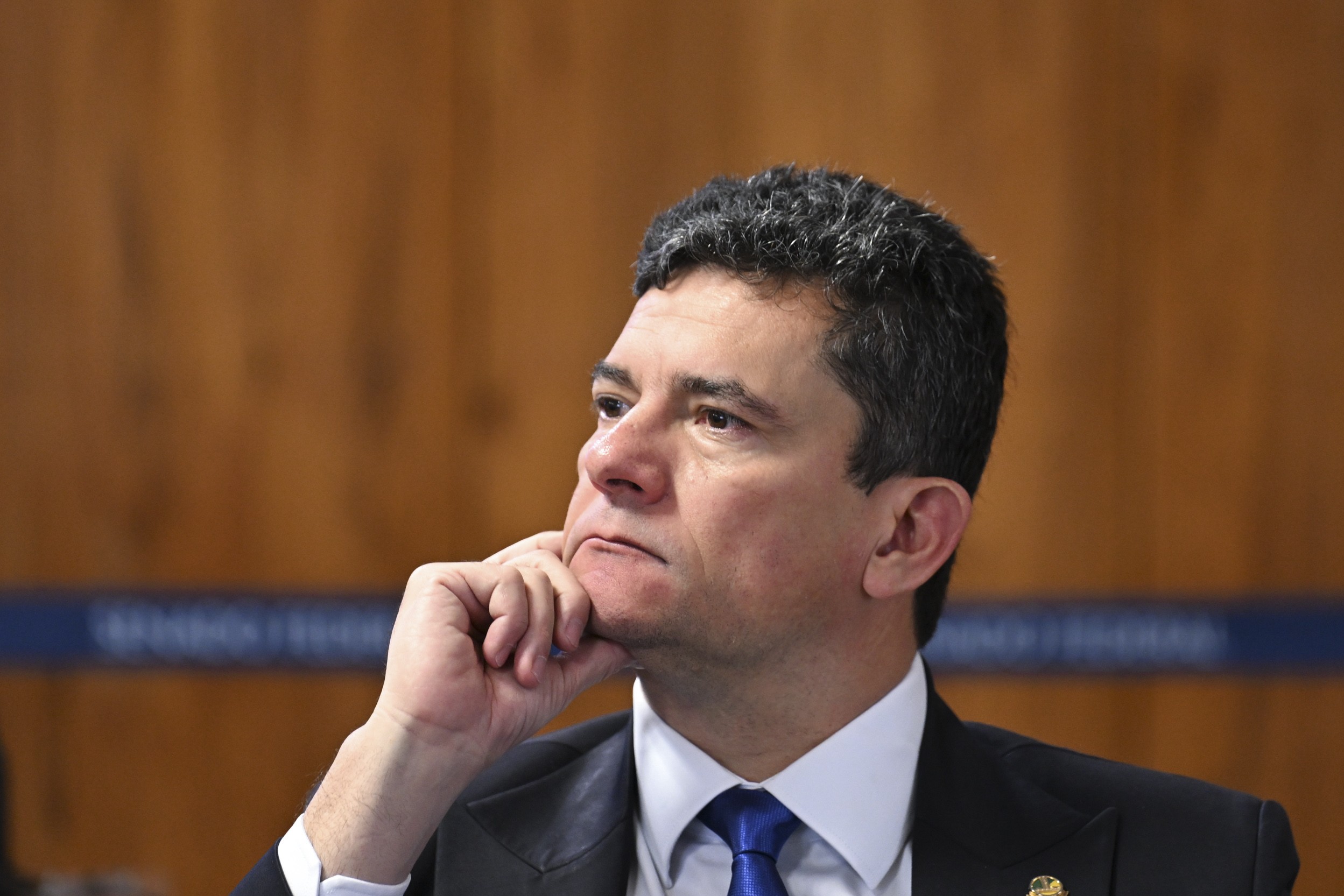
The Regional Federal Court of the 4th Region (TRF-4) has acquitted Oscalina Lima Graciote and Hemilly Adriane Mathias Abrantes, who were previously convicted in the first instance for alleged involvement in a plan by the criminal organization First Capital Command (PCC) to attack public officials and authorities, including Senator Sergio Moro. The Federal Justice of Paraná had sentenced them in January 2025 to 5 years of semi-open imprisonment for criminal organization. The TRF-4 concluded that the women's connection to the organization was not sufficiently proven, determining their actions were limited to concealing assets, which could constitute money laundering but not the crime they were accused of. Six other individuals in the same case had their convictions upheld for crimes such as attempted extortion through kidnapping and criminal organization, while three other defendants were acquitted. The TRF-4 also partially accepted appeals from three defendants, leading to acquittals on specific charges, changes in sentence regimes, or revisions of penalty calculations. Investigations revealed the suspects planned simultaneous homicides and kidnappings across at least five Brazilian states, monitoring Moro's family and renting multiple properties in Curitiba, some with strategic escape routes. The plot, which began in September 2022 during the election period, also targeted prosecutor Lincoln Gakiya. The operation was reportedly funded by drug trafficking proceeds, and seized documents, including a notebook, detailed personal information and addresses of Moro, his wife, and their children, indicating preparedness for violence.
The TRF-4's decision to acquit Oscalina Lima Graciote and Hemilly Adriane Mathias Abrantes highlights the critical evidentiary standards required for criminal convictions, particularly concerning organized crime. The court's emphasis on the need for proven stable and lasting links to a criminal group, along with knowledge of its illicit aims, underscores the principle that mere association or involvement in peripheral activities like asset concealment is insufficient for a conviction of criminal organization. This ruling suggests a potential overreach in the initial charges or a failure to substantiate the direct participation of these individuals in the alleged conspiracy's core objectives. Moving forward, law enforcement and judicial bodies must ensure that investigations and indictments are precisely tailored to the evidence of direct involvement in criminal conspiracies, avoiding convictions based on circumstantial links or secondary roles, especially as AI-driven surveillance and data analysis become more prevalent in investigations, potentially increasing the risk of misattributing intent or involvement.
AI-generated to prompt reflection — not editorial opinion, not advice, not a statement of fact. How this works.