Brazilian Court Awards R$25,000 to Driver Fired After Brain Cancer Treatment
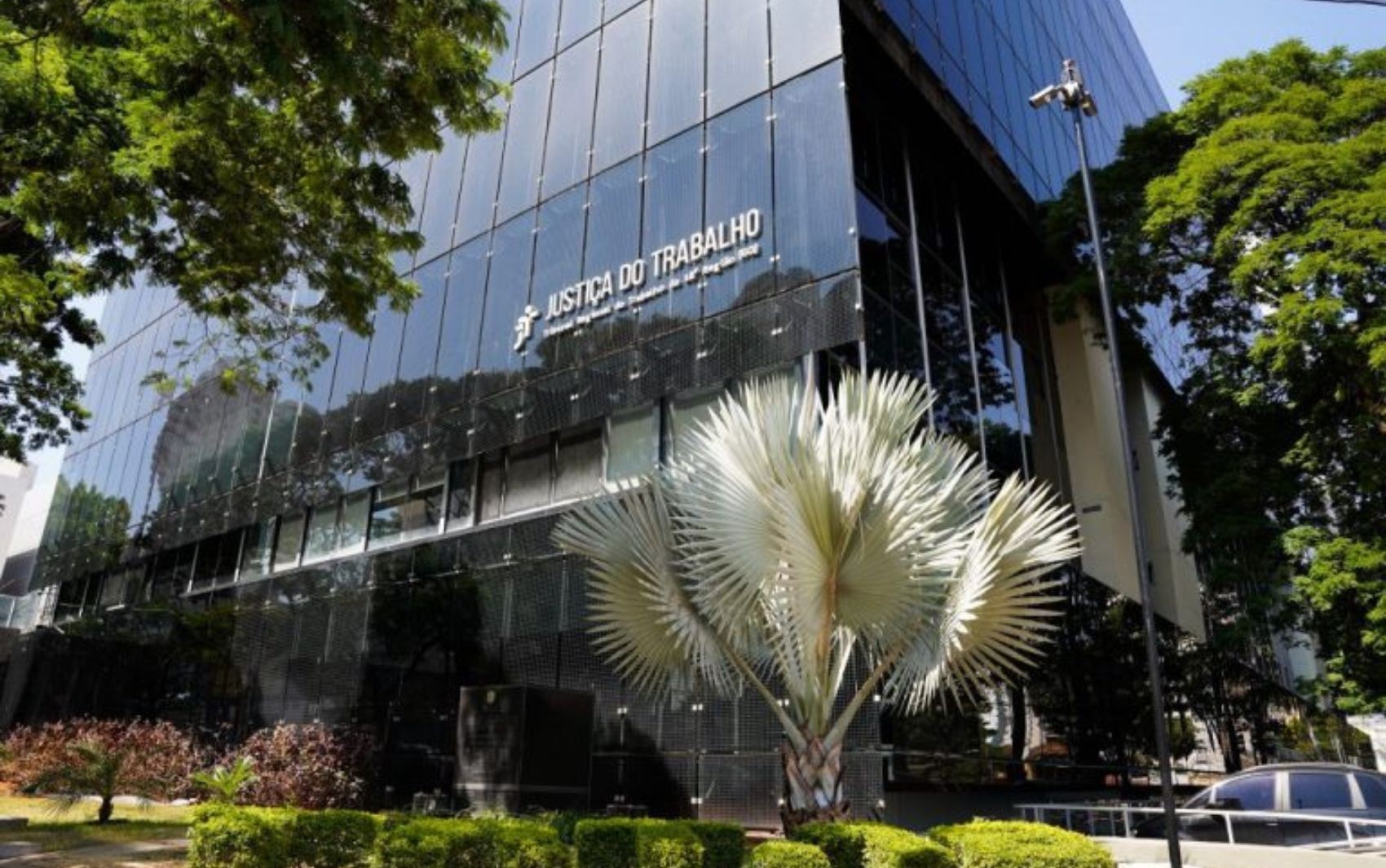
A Brazilian labor court has ordered a sugarcane company in Chapadão do Céu, Goiás, to pay R$25,000 (approximately $4,600 USD) in damages to a truck driver. The driver was dismissed about a month after returning to work following treatment for brain cancer. The Regional Labor Court (TRT) ruled the dismissal discriminatory, citing a precedent from the Superior Labor Court (TST). This precedent presumes dismissals of employees with HIV or other serious stigmatizing illnesses as discriminatory and grants them the right to job reintegration. Presiding Judge Platon Teixeira de Azevedo Filho emphasized that brain cancer, specifically glioma, is unequivocally a serious illness that can cause stigma and prejudice in the workplace. He noted that the employer failed to provide a lawful reason for the dismissal, opting instead for a termination without just cause. The judge further stated that the employee's recovery does not negate the discrimination faced due to the history of the condition. The stigma of cancer, he explained, extends beyond temporary physical incapacity to include employer fears of recurrence, future absences, and potential productivity declines. The court found that the company did not allow the employee time to readapt to his work routine before termination. The dismissal also caused the worker to lose his company health plan during his post-treatment period. In addition to the R$25,000 for moral damages, the company was ordered to pay R$500 in court costs. The damages are intended to be punitive and educational, aiming to prevent future similar misconduct. The company's defense could not be reached for comment.
This ruling highlights the legal and ethical challenges employers face when managing employees with serious health conditions. The court's decision, grounded in established legal precedent, underscores the presumption of discrimination in such cases, particularly when dismissals occur shortly after a return to work. The analysis emphasizes that the stigma associated with severe illnesses like cancer can persist beyond the immediate recovery period, influencing employer perceptions and potentially leading to discriminatory practices. From a systemic perspective, this case points to the need for robust corporate policies and training on diversity and inclusion, specifically addressing health status. It also raises questions about the balance between business operational needs and employee protections, suggesting that proactive communication, reasonable accommodations, and clear, non-discriminatory performance metrics are crucial for fostering a supportive and legally compliant work environment. The ruling serves as a reminder that the potential for future health issues, even after recovery, can be a factor in perceived risk, necessitating careful consideration of legal frameworks and ethical responsibilities.
AI-generated to prompt reflection — not editorial opinion, not advice, not a statement of fact. How this works.