Brazilian Court Denies Fake News Claim About Justice Moraes and Trump Visiting Bolsonaro
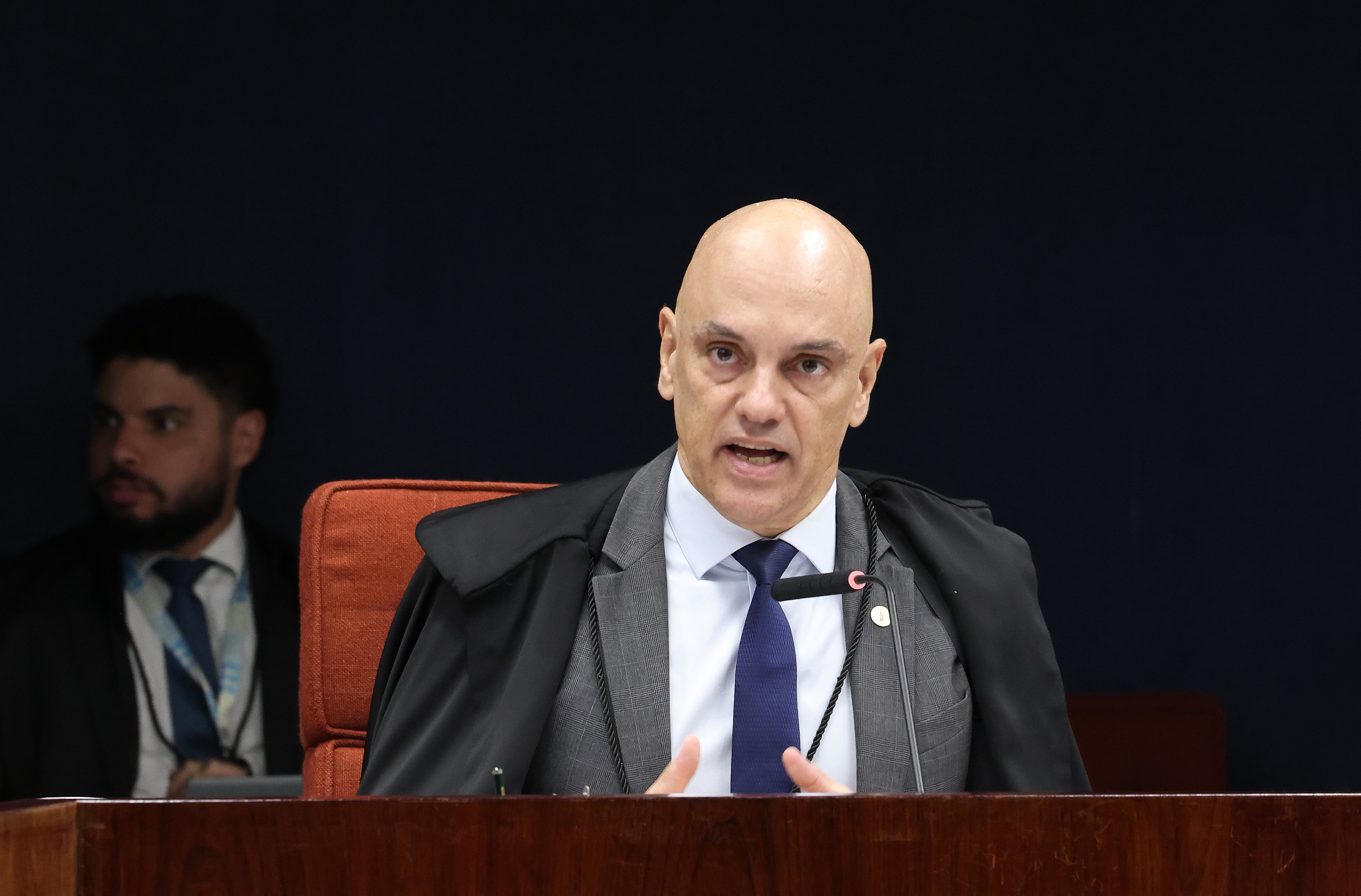
A video circulating on social media falsely claims that Brazilian Supreme Court Justice Alexandre de Moraes stated that neither former U.S. President Donald Trump nor Argentinian President Javier Milei would be allowed to visit former Brazilian President Jair Bolsonaro. The video, which originated on TikTok, uses AI-generated audio and a montage of images to support its fabricated narrative. It also falsely suggests that Bolsonaro is ready to return to a facility called Papudinha with reinforced security. The Brazilian fact-checking agency 'Fato ou Fake' has debunked these claims, confirming that no such statements were made by Justice Moraes. The STF's press office also denied the information, stating 'The information is not true.' The fake news emerged amidst a series of legal and political events involving Jair Bolsonaro, who has been under house arrest since March. These include Justice Moraes's decisions to maintain Bolsonaro's house arrest, suspend visits from Senator Flávio Bolsonaro (Jair Bolsonaro's son) for 90 days, and bar 'political-electoral' visits until the end of the elections. The video's false claims also coincide with Argentinian President Javier Milei's criticism of Justice Moraes, whom he called 'bald trash,' after Moraes denied Milei a visit to Bolsonaro. Furthermore, an AI-generated video simulating a pronouncement by Jair Bolsonaro was recently presented, prompting Justice Moraes to demand an explanation from Bolsonaro's defense regarding the use of his image and voice.
This incident highlights the sophisticated use of AI-generated content and social media to disseminate disinformation, particularly within politically charged environments. The rapid spread of fabricated narratives, such as the false claim about Justice Moraes's statements, poses a significant challenge to maintaining informed public discourse. The deliberate creation of misleading content, amplified by the speed of digital platforms, underscores the need for robust media literacy initiatives and advanced detection mechanisms. Analyzing the incentive structures behind such disinformation campaigns reveals a potential strategy to sow discord, influence public opinion, and undermine trust in judicial and governmental institutions. Moving forward, the increasing accessibility of AI tools necessitates a proactive approach to content verification and a critical examination of information sources to safeguard democratic processes.
AI-generated to prompt reflection — not editorial opinion, not advice, not a statement of fact. How this works.