Brazilian Court Justifies Extra Payments to Judges as Retirement Settlements
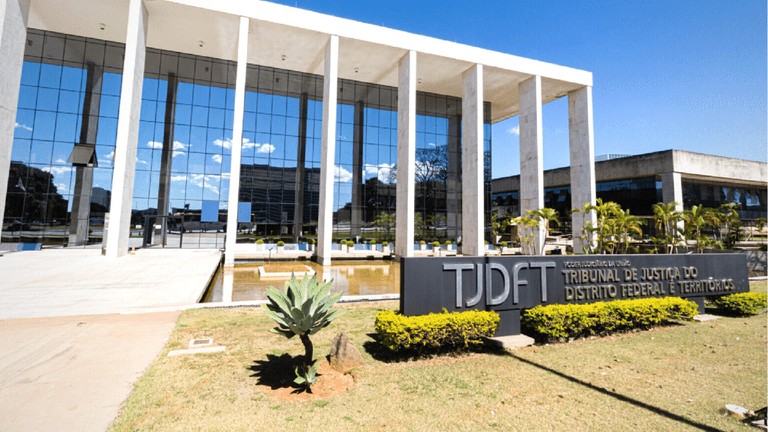
The Court of Justice of the Federal District and Territories (TJDFT) has submitted a document to the Supreme Federal Court (STF) to explain recent payments made to judges and servers. These payments, which could be perceived as "penduricalhos" (extra perks), refer to compensatory allowances that exceed the constitutional salary cap. In an official letter to Minister Alexandre de Moraes, the TJDFT stated that its payrolls issued since April have adhered to the salary cap established by the STF in late March. The document specifically addressed two significant payments, explaining they were necessitated by the retirement of two judges. These judges had accumulated vacation days, and the payments represented the financial settlement for this accrued leave. The TJDFT asserted that these payments align with the guidelines set by both the STF and the National Council of Justice (CNJ), emphasizing that the larger sums were mandatory financial adjustments due to the retirement of magistrates with accumulated vacation time.
This situation highlights a recurring tension between judicial autonomy and fiscal responsibility within Brazil's public administration. The TJDFT's explanation frames the "penduricalhos" as mandatory settlements for accrued vacation time upon retirement, aligning them with existing legal and regulatory frameworks. This perspective suggests that while exceeding the constitutional salary cap might appear irregular, the underlying financial obligations were pre-existing and legally mandated. The analysis should consider the incentive structures that allow for such accumulation of vacation days and the potential for these settlements to create disparities in public sector compensation. Moving forward, clarifying regulations around vacation accrual and its financial settlement for high-ranking public officials could mitigate future controversies and ensure greater transparency in public spending, particularly in an era where resource allocation is increasingly scrutinized.
AI-generated to prompt reflection — not editorial opinion, not advice, not a statement of fact. How this works.