Brazilian Court Orders $300,000 Payout to Family of Man Killed in Bungee Jump Accident
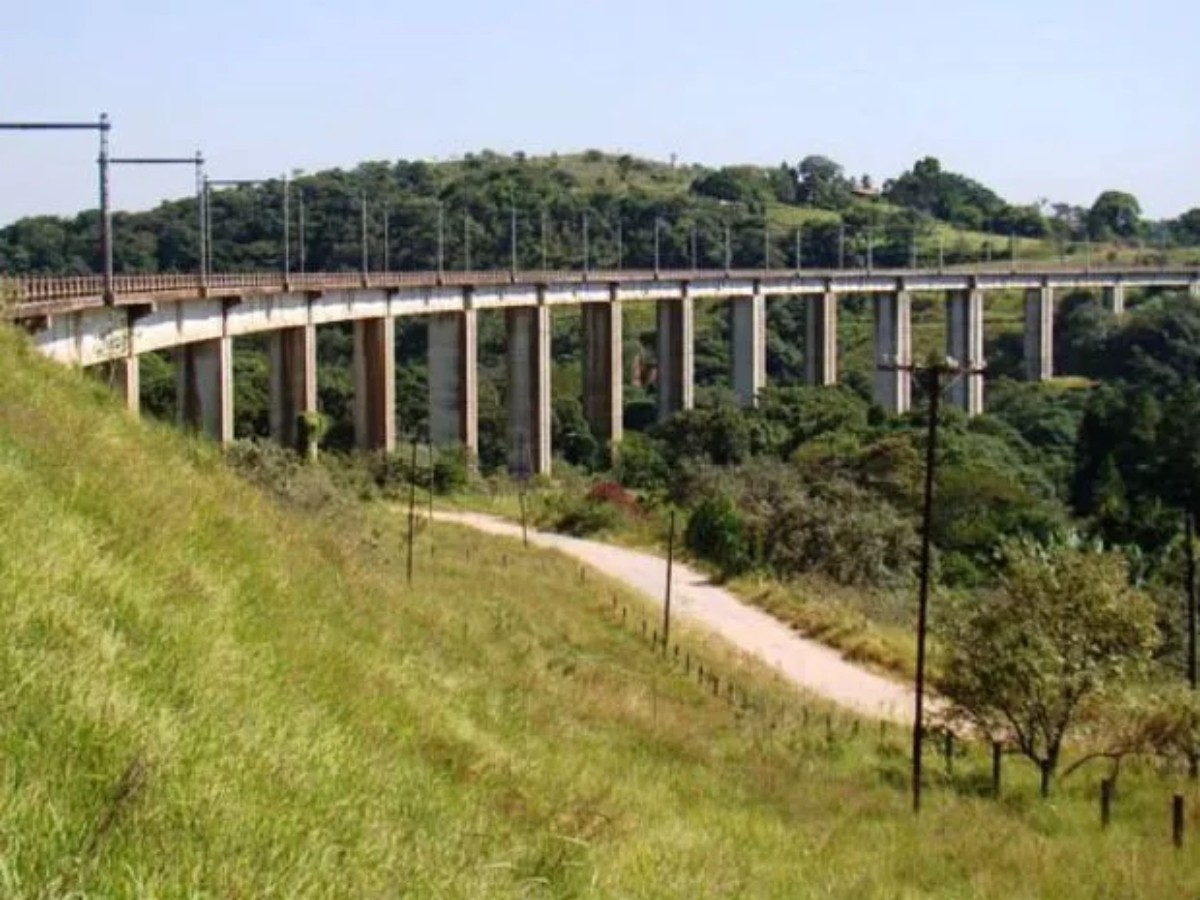
A São Paulo court has ordered two companies and an individual entrepreneur to pay R$300,000 (approximately $55,000 USD) in damages to the family of Fábio Ezequiel de Morais. Morais died in December 2016 when the safety rope of a bungee jump apparatus snapped during a jump in Mairinque, São Paulo. The incident occurred on the Engenheiro Acrísio railway bridge, a structure connecting Mairinque and Itu. According to the Fire Department, the rope limiting the elastic cord broke, causing Morais to hit the ground before landing on a mattress after a 53-meter fall. The court found Maxtreme Atrações Interativas Ltda, MF Wienand Locação de Equipamentos Ltda, and entrepreneur Max Frederik Wienand responsible for the accident. They are required to pay R$150,000 each to Morais's widow and son for moral damages. In addition to the lump sum, the family will receive a monthly pension equivalent to two-thirds of the minimum wage. The son is entitled to this benefit until he turns 25, and his mother will receive it until the date Fábio would have turned 72. The court also noted that signing a liability waiver does not absolve operators of their duty of care, rejecting the defense's claim that the victim jumped outside the safety mattress. Several operational negligences were detailed, including hasty equipment setup, inadequate rope measurement, lack of test jumps, use of an incompatible backup system, equipment failure, improper mattress placement, and absence of a rescue team. A страховая компания and one of the company's partners were found not liable.
This legal decision highlights critical safety lapses in extreme sports operations, emphasizing that liability waivers do not supersede fundamental safety obligations. The court's detailed enumeration of failures—from equipment assembly to emergency preparedness—underscores systemic deficiencies rather than isolated incidents. The exclusion of the insurance company, based on policy exclusions for intentional acts, points to the complex interplay between corporate risk management and legal accountability. Moving forward, regulatory bodies and industry stakeholders must consider enhanced oversight and standardized safety protocols to mitigate the inherent risks of adventure tourism, particularly as such activities gain popularity in an increasingly experience-driven economy. The case serves as a stark reminder of the need for robust safety frameworks to protect consumers and ensure the long-term viability of the adventure sports sector.
AI-generated to prompt reflection — not editorial opinion, not advice, not a statement of fact. How this works.